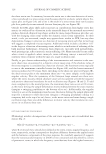
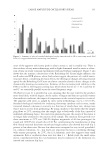
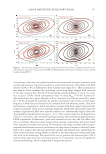
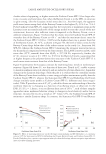
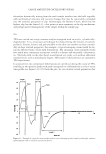
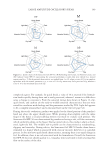
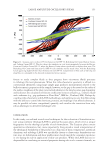
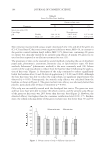
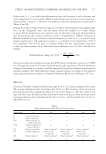
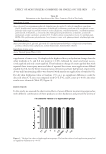
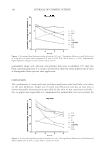
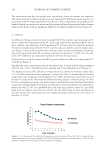
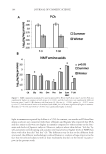
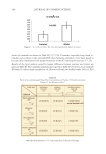
JOURNAL OF COSMETIC SCIENCE 194 light in summer as reported by de Fine et al. (58). In contrast, our results on PCA and free amino acids are not consistent with those of Egawa and Tagami who reported that PCA and free amino acids were not higher in summer compared to other seasons on the fore- arms and cheeks of Japanese subjects. However, subjects whose skin did not “feel dry” by self-assessment in both spring and autumn were found to have higher levels of NMF than those with skin that did “feel dry” (9). The difference may be due to the different body site tested, the different methodology (confocal Raman vs. analysis of tape strips) or to the fact that we selected subjects with at least moderately dry skin in the winter to partici- pate in the present study. Figure 5. NMF components normalized to protein measured by BCA. (A) PCA in strips 3 and 10, PCA was signifi cantly higher in summer in both strips ( p 0.001), and the levels were not signifi cantly different between strips 3 and 10. (B) Amino acids from strip 10. Glycine ( p = 0.006), proline ( p = 0.037), serine ( p = 0.017), and the sum of amino acids analyzed (sum NMF, p = 0.018) were signifi cantly higher in summer. Histidine ( p = 0.035) and t-UA ( p 0.001) were signifi cantly higher in winter.

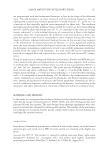
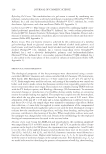
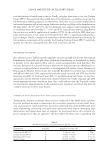
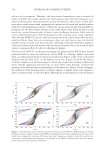
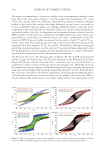
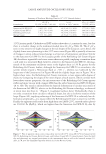
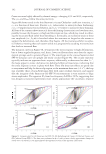
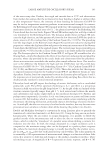
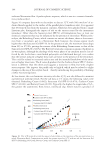
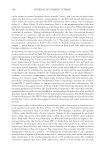
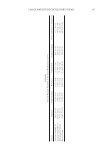
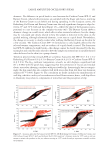
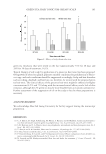
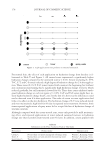
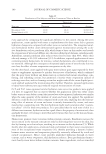
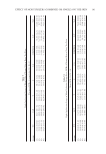
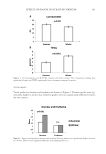
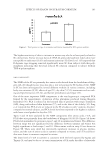
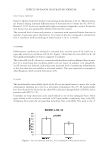
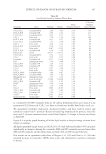
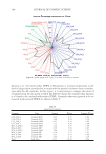
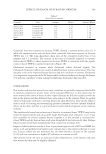
EFFECTS OF SEASON ON STRATUM CORNEUM 195 STRUCTURAL PROTEINS Figure 6 shows results for the key structural proteins keratin-1,10,11. These keratins are formed during terminal differentiation of keratinocytes to form the SC (59–61). Keratin-1,10,11 levels were signifi cantly higher in summer compared to winter. Involucrin (not shown) was not signifi cantly different between the seasons. The increased level of structural proteins is consistent with improved barrier function in summer. A previous report that keratin 10 is lower in dry skin compared to normal skin (62) is consistent with our fi ndings of lower keratin-1,10,11 in winter. CYTOKINES Infl ammatory cytokines are elevated in irritated skin, and the ratio of IL-1ra:IL-1α is especially sensitive to irritation (18,19,22). Figure 7 shows that the ratio of IL-1ra:IL-1α was signifi cantly higher in winter compared to summer. The reduced IL-1ra:IL-1α ratio is consistent with healthier and less infl amed skin in sum- mer. It is interesting that erythema grades were not lower in summer even though IL- 1ra:IL-1α ratio was reduced, indicating some increased level of underlying infl ammation in dry skin that does not exhibit as increased redness. This may represent an example of what Kligman called invisible dermatoses (63). SC LIPIDS The multilamellar intracellular lipids of the SC are the main barrier to water loss to the environment allowing us to live in a terrestrial environment (64–67). SC lipid profi les have been found to be altered in dry skin (68), surfactant-damaged skin (2,68,69), and in patients with AD (70–74). Ceramides are long-chain fatty acids amide linked to one of four sphingoid bases. Three types of fatty acids can also be involved in SC lipid profi les, nonhydroxy fatty acids [N], α-hydroxy fatty acids [A], and esterifi ed ω-hydroxy fatty acids [EO]. This leads to the 12 Figure 6. Structural proteins, keratin-1,10,11 normalized to BCA protein analysis.
Purchased for the exclusive use of nofirst nolast (unknown)
From: SCC Media Library & Resource Center (library.scconline.org)