156 JOURNAL OF COSMETIC SCIENCE
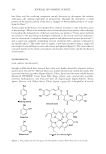
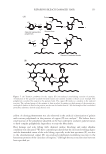
of the polyphenol which has two catechol-like moieties connected with a hydrophilic acid/
ester backbone (Figure 1), the bidentate polyphenol acts efficiently on the cuticle keratin
to cure the bleached hair, even in the low concentration. The previous report suggests that
the large polyphenol may hardly penetrate the matrix (the cortex cellular region) through
the thick layer of the cuticular cells of the hair.23
CONCLUSION
First, the model proteins (lysozyme and keratin) were converted to higher molecular
weight-proteins by treating with the polyphenol (catechol, hydroquinone and chicoric acid)
in the presence of copper (II) chlorophyllin (4ppm). The amino acid analysis and the thiol
group-quantification revealed that the polyphenol treatment induced the decrease in the
contents of the lysine, histidine and cysteine residues of proteins. Second, the pale yellow,
bleached, straight hair, which was made from black natural hair, was similarly treated
with the polyphenols in the presence of the copper salt. The resulting light brown hair
was examined for the amino acid analysis and the fluorescence characteristics to indicate
that the amino acid residues were also decreased in a similar manner to the model proteins
treated with polyphenol in the presence of the copper salts. It also appears that through
treatment, especially with chicoric acid, the bleached hair was repaired at the levels
comparable to that of the natural hair with the following characteristics: subdued cuticle
scale lifting, small swelling degree, and large mechanical properties (the breaking stress
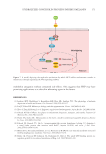
and the initial elastic modulus). The results were explained by a formation of the quinone-
crosslinking bond between the protein molecules as displayed schematically in Figure 7.
The present treatment was conducted under mild conditions, and may be applied to hair-
care technology for bleached hair damages.
REFERENCES
(1) Robbins CR. Chemical and Physical Behavior of Human Hair. 5th ed. Springer-Verlag 2012:205-640.
(2) Orfanos CE, Montagna W, Stüttgen G. Hair Research, Status and Future Aspects part III. Springer-
Verlag 1981:477-691.
(3) Tate ML, Kamath YK, Ruetsch SB. Quantification and prevention of hair damage. J Soc Cosmet Chem.
1993 44:347-371.
(4) Inoue T, Ito M, Kizawa K. Labile proteins accumulated in damaged hair upon permanent waving and
bleaching treatments. J Cosmet Sci. 2002 53(6):337-344.
(5) Nagai A, Komoriya H, Bunai Y, Yamada S, Jiang XY, Ohya I. Effect of hair dyes and bleach on the hair
protein patterns as revealed by isoelectric focusing. Electrophoresis. 1991 12(6):451-453.
(6) Guthrie JT, Kazlaucinuas A, Rongong L, et al. The characterization of treated and dyed hair. Dyes
Pigments. 1995 29:23-44.
(7) Washita S, Yoshii N, Fukuta S, et al. Effects of the treatments with the peptide extracted from human
hairs on the physical properties of bleached human hair. J Fiber Sci Technol. 2012 68:14-17.
(8) Nishita Y, Ezure M, Tanji N, et al. Physical properties of shinayaka hair and fine technology to control
internal hair properties. J Soc Cosmet Chem Japan. 2017 51(2):126-133.
(9) Spei M. Time-dependent deposition of anionic detergents in α-Keratins. Colloid Polym Sci.
1984 262:596-596.
(10) Chung JE, Kurisawa M, Uyama H, Kobayashi S. Enzymatic synthesis and antioxidant property of
gelatin-catechin conjugates. Biotechnol Lett. 2003 25(23):1993-1997.
of the polyphenol which has two catechol-like moieties connected with a hydrophilic acid/
ester backbone (Figure 1), the bidentate polyphenol acts efficiently on the cuticle keratin
to cure the bleached hair, even in the low concentration. The previous report suggests that
the large polyphenol may hardly penetrate the matrix (the cortex cellular region) through
the thick layer of the cuticular cells of the hair.23
CONCLUSION
First, the model proteins (lysozyme and keratin) were converted to higher molecular
weight-proteins by treating with the polyphenol (catechol, hydroquinone and chicoric acid)
in the presence of copper (II) chlorophyllin (4ppm). The amino acid analysis and the thiol
group-quantification revealed that the polyphenol treatment induced the decrease in the
contents of the lysine, histidine and cysteine residues of proteins. Second, the pale yellow,
bleached, straight hair, which was made from black natural hair, was similarly treated
with the polyphenols in the presence of the copper salt. The resulting light brown hair
was examined for the amino acid analysis and the fluorescence characteristics to indicate
that the amino acid residues were also decreased in a similar manner to the model proteins
treated with polyphenol in the presence of the copper salts. It also appears that through
treatment, especially with chicoric acid, the bleached hair was repaired at the levels
comparable to that of the natural hair with the following characteristics: subdued cuticle
scale lifting, small swelling degree, and large mechanical properties (the breaking stress
and the initial elastic modulus). The results were explained by a formation of the quinone-
crosslinking bond between the protein molecules as displayed schematically in Figure 7.
The present treatment was conducted under mild conditions, and may be applied to hair-
care technology for bleached hair damages.
REFERENCES
(1) Robbins CR. Chemical and Physical Behavior of Human Hair. 5th ed. Springer-Verlag 2012:205-640.
(2) Orfanos CE, Montagna W, Stüttgen G. Hair Research, Status and Future Aspects part III. Springer-
Verlag 1981:477-691.
(3) Tate ML, Kamath YK, Ruetsch SB. Quantification and prevention of hair damage. J Soc Cosmet Chem.
1993 44:347-371.
(4) Inoue T, Ito M, Kizawa K. Labile proteins accumulated in damaged hair upon permanent waving and
bleaching treatments. J Cosmet Sci. 2002 53(6):337-344.
(5) Nagai A, Komoriya H, Bunai Y, Yamada S, Jiang XY, Ohya I. Effect of hair dyes and bleach on the hair
protein patterns as revealed by isoelectric focusing. Electrophoresis. 1991 12(6):451-453.
(6) Guthrie JT, Kazlaucinuas A, Rongong L, et al. The characterization of treated and dyed hair. Dyes
Pigments. 1995 29:23-44.
(7) Washita S, Yoshii N, Fukuta S, et al. Effects of the treatments with the peptide extracted from human
hairs on the physical properties of bleached human hair. J Fiber Sci Technol. 2012 68:14-17.
(8) Nishita Y, Ezure M, Tanji N, et al. Physical properties of shinayaka hair and fine technology to control
internal hair properties. J Soc Cosmet Chem Japan. 2017 51(2):126-133.
(9) Spei M. Time-dependent deposition of anionic detergents in α-Keratins. Colloid Polym Sci.
1984 262:596-596.
(10) Chung JE, Kurisawa M, Uyama H, Kobayashi S. Enzymatic synthesis and antioxidant property of
gelatin-catechin conjugates. Biotechnol Lett. 2003 25(23):1993-1997.