144 JOURNAL OF COSMETIC SCIENCE
hair fibers and the oxidizing component mainly functions to decompose the melanin
molecules—the coloring ingredient of natural hair. Through the treatments, a small
portion of the keratin protein of the hair is changed to water-soluble products to escape
from the fibers.3-5
Various repair methods have been proposed by cosmetic scientists to cope with these types
of hair damage.6 Many of the methods aim to restore the physical properties of hair through
by mending the damaged part of the hair using hair-care products.7,8 Some repair methods
are similar to the processing technologies employed in the textile and food industries,9
such as a formation of complexes between proteins and phenols and tyrosine derivatives10,11
and a copper ion-catalyzed crosslinking reaction of gelatin with a quinone compound in
an aqueous phase.12 This study aims to explore a new hair treatment using a copper (II)
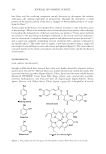
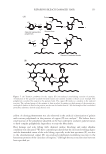
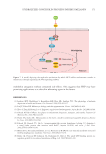
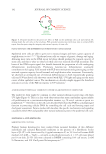
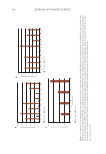
ion-catalyzed cross-linking reaction with various polyphenols (Figure 1). The treated hair is
evaluated mainly by the amino acid analysis, microscopic observations, and the mechanical
characteristics.
EXPERIMENTAL
HAIR SAMPLES AND REAGENTS
Straight reddish black hairs (natural hair color) were kindly donated by Japanese women
aged in their 20s and 30s. The hair fibers were neither bleached nor colored previously. The
lysozyme from hen egg white (Sigma-Aldrich, Tokyo, Japan) and the water-soluble keratin
(Keratec® IFP-HMW, Croda Japan KK, Shiga, Japan) were commercially available.
Catechol, hydroquinone, and resorcinol were all reagent-grade (Sigma-Aldrich, Tokyo,
Japan). Chicoric acid (Tokyo Kasei, Tokyo, Japan), copper (II) chlorophyllin (Croron®
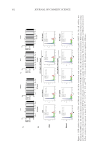
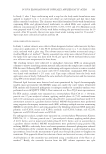
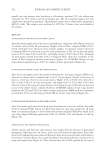
Figure 1. The polyphenols and the copper (II) chlorophyllin catalyst, which were used in this study.
hair fibers and the oxidizing component mainly functions to decompose the melanin
molecules—the coloring ingredient of natural hair. Through the treatments, a small
portion of the keratin protein of the hair is changed to water-soluble products to escape
from the fibers.3-5
Various repair methods have been proposed by cosmetic scientists to cope with these types
of hair damage.6 Many of the methods aim to restore the physical properties of hair through
by mending the damaged part of the hair using hair-care products.7,8 Some repair methods
are similar to the processing technologies employed in the textile and food industries,9
such as a formation of complexes between proteins and phenols and tyrosine derivatives10,11
and a copper ion-catalyzed crosslinking reaction of gelatin with a quinone compound in
an aqueous phase.12 This study aims to explore a new hair treatment using a copper (II)
ion-catalyzed cross-linking reaction with various polyphenols (Figure 1). The treated hair is
evaluated mainly by the amino acid analysis, microscopic observations, and the mechanical
characteristics.
EXPERIMENTAL
HAIR SAMPLES AND REAGENTS
Straight reddish black hairs (natural hair color) were kindly donated by Japanese women
aged in their 20s and 30s. The hair fibers were neither bleached nor colored previously. The
lysozyme from hen egg white (Sigma-Aldrich, Tokyo, Japan) and the water-soluble keratin
(Keratec® IFP-HMW, Croda Japan KK, Shiga, Japan) were commercially available.
Catechol, hydroquinone, and resorcinol were all reagent-grade (Sigma-Aldrich, Tokyo,
Japan). Chicoric acid (Tokyo Kasei, Tokyo, Japan), copper (II) chlorophyllin (Croron®
Figure 1. The polyphenols and the copper (II) chlorophyllin catalyst, which were used in this study.