257 CRITICAL FACTORS TO OBTAIN STABLE HIP GEL-IN-OIL EMULSIONS
temperatures, but conversely to water-in-oil, water-in-silicone, and conventional HIP W/O
emulsions,13 the addition of salts was not required.
The interest of the HIP gel-in-oil concept for the development of cosmetic emulsions with
original aesthetics was highlighted some years ago.18 First of all, it provides an attractive
smooth and mirrored gloss appearance for the end user, with an unexpected contrasting
sensory profile starting with a first fresh sensation evolving to a cushion-comfortable finish.
As a result, the gel-in-oil emulsion is able to impart a similar emollience to conventional
cream gel, oil-in-water (O/W), and W/O formulations with a reduced oil concentration19
and provides an inherent water resistance character. The texture of gel-in-oil emulsion
alone (without any olfactory, packaging, or brand environment) was demonstrated to arouse
positive emotions in consumers.20
From the formulator’s point of view, the concept takes advantage of high compatibility
with active ingredients,21 including those rich in electrolytes. Gel-in-oils also withstand
the incorporation of a high quantity of solvents, sometimes required to solubilize these
active ingredients (e.g., glycols, ethanol, etc.). The manufacturing process, cold and using
low mixing energy, is industrially advantageous, saving time and increasing sustainability
by reducing carbon emissions.17
Despite these advantages, the factors affecting the emulsion structure and behavior have
not been thoroughly clarified, thus limiting the use of the concept. As is known for other
inverse emulsions, it is difficult to predict the long-term stability of gel-in-oil without
waiting for three months, even using accelerated tests (storage at 45°C and freeze–thaw
cycles in particular). Due to high concentration of the dispersed phase, gel-in-oils mainly
provide compact textures, which make them difficult to prepare and diminish the
relevance of accelerated tests based on centrifugal force (such as the LUMiFuge® device
from Germany) or based on multiple light-scattering analyses (such as the Turbiscan® LAB
device from France).
The objective was therefore to study rigorously the factors affecting the emulsion structure,
stability, and behavior under stress for a better understanding of the limitations of the
formulation. First, details of the manufacturing process needed to be investigated using a
simple formula to confirm the recommendations: preparation mode (i.e., direct or indirect)
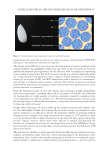
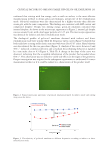
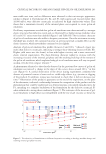
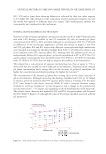
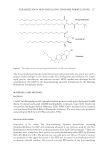
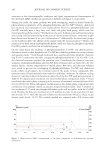
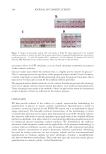
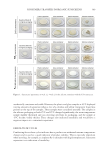
Figure 1. Gel-in-oil macroscopic appearance and structure representation.
temperatures, but conversely to water-in-oil, water-in-silicone, and conventional HIP W/O
emulsions,13 the addition of salts was not required.
The interest of the HIP gel-in-oil concept for the development of cosmetic emulsions with
original aesthetics was highlighted some years ago.18 First of all, it provides an attractive
smooth and mirrored gloss appearance for the end user, with an unexpected contrasting
sensory profile starting with a first fresh sensation evolving to a cushion-comfortable finish.
As a result, the gel-in-oil emulsion is able to impart a similar emollience to conventional
cream gel, oil-in-water (O/W), and W/O formulations with a reduced oil concentration19
and provides an inherent water resistance character. The texture of gel-in-oil emulsion
alone (without any olfactory, packaging, or brand environment) was demonstrated to arouse
positive emotions in consumers.20
From the formulator’s point of view, the concept takes advantage of high compatibility
with active ingredients,21 including those rich in electrolytes. Gel-in-oils also withstand
the incorporation of a high quantity of solvents, sometimes required to solubilize these
active ingredients (e.g., glycols, ethanol, etc.). The manufacturing process, cold and using
low mixing energy, is industrially advantageous, saving time and increasing sustainability
by reducing carbon emissions.17
Despite these advantages, the factors affecting the emulsion structure and behavior have
not been thoroughly clarified, thus limiting the use of the concept. As is known for other
inverse emulsions, it is difficult to predict the long-term stability of gel-in-oil without
waiting for three months, even using accelerated tests (storage at 45°C and freeze–thaw
cycles in particular). Due to high concentration of the dispersed phase, gel-in-oils mainly
provide compact textures, which make them difficult to prepare and diminish the
relevance of accelerated tests based on centrifugal force (such as the LUMiFuge® device
from Germany) or based on multiple light-scattering analyses (such as the Turbiscan® LAB
device from France).
The objective was therefore to study rigorously the factors affecting the emulsion structure,
stability, and behavior under stress for a better understanding of the limitations of the
formulation. First, details of the manufacturing process needed to be investigated using a
simple formula to confirm the recommendations: preparation mode (i.e., direct or indirect)
Figure 1. Gel-in-oil macroscopic appearance and structure representation.