277 CERAMIDE-NP IN SKIN-SIMULATING LIPOSOME FORMULATIONS
The skin-stimulating liposome formulation previously prepared by our group was used to
prepare analysis samples in the current study. The development and validation of a simple,
rapid, precise, cost-effective, and selective isocratic HPLC method was developed for the
quantification of Cer-NP in the skin-simulating liposome formulation for the following
formulation development studies.
MATERIALS AND METHODS
MATERIALS
Cer-NP and Phospholipon 90G (phosphatidylcholine) were kindly gifted by Evonik GmBH
(Essen, Germany) and Lipoid GmBH (Ludwigshafen, Germany), respectively. Cholesterol
was provided by Sigma-Aldrich (Missouri, USA). HPLC-Grade methanol and acetonitrile
were purchased from Merck KGaA (Darmstadt, Germany). The total assays were performed
using ultrapure Milli-Q water (Massachusetts, USA).
METHOD DEVELOPMENT
Preparation of the samples. The skin-simulating liposome formulation containing
phosphatidylcholine Cer-NP, and cholesterol obtained in our previous work by the thin-
film hydration method was used in the preparation of the lipid solution samples.13 Then, the
liposomes were verified via their particle size and polydispersity index (PDI) by Zetasizer
Nano ZS (Malvern, U.K.). The particle size was with great size (about 720 nm) to increase
accumulation in the upper skin layers.14 The PDI was in narrow size distribution (0.187)
to improve colloidal stability. The particle size and PDI results of the skin-simulating
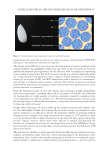
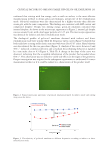
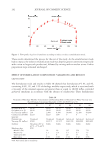
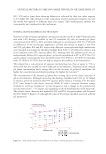
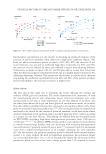
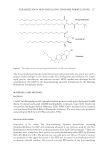
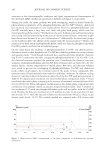
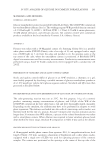
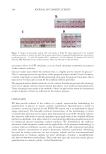
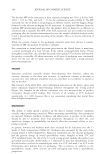
Figure 1. The chemical structure of phosphatidylcholine, Cer-NP, and cholesterol.
The skin-stimulating liposome formulation previously prepared by our group was used to
prepare analysis samples in the current study. The development and validation of a simple,
rapid, precise, cost-effective, and selective isocratic HPLC method was developed for the
quantification of Cer-NP in the skin-simulating liposome formulation for the following
formulation development studies.
MATERIALS AND METHODS
MATERIALS
Cer-NP and Phospholipon 90G (phosphatidylcholine) were kindly gifted by Evonik GmBH
(Essen, Germany) and Lipoid GmBH (Ludwigshafen, Germany), respectively. Cholesterol
was provided by Sigma-Aldrich (Missouri, USA). HPLC-Grade methanol and acetonitrile
were purchased from Merck KGaA (Darmstadt, Germany). The total assays were performed
using ultrapure Milli-Q water (Massachusetts, USA).
METHOD DEVELOPMENT
Preparation of the samples. The skin-simulating liposome formulation containing
phosphatidylcholine Cer-NP, and cholesterol obtained in our previous work by the thin-
film hydration method was used in the preparation of the lipid solution samples.13 Then, the
liposomes were verified via their particle size and polydispersity index (PDI) by Zetasizer
Nano ZS (Malvern, U.K.). The particle size was with great size (about 720 nm) to increase
accumulation in the upper skin layers.14 The PDI was in narrow size distribution (0.187)
to improve colloidal stability. The particle size and PDI results of the skin-simulating
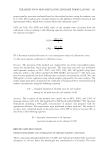
Figure 1. The chemical structure of phosphatidylcholine, Cer-NP, and cholesterol.