307 CONSUMERS TRANSFER INORGANIC SUNSCREENS
PH
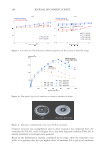
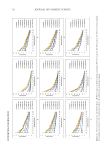
pH was measured to evaluate any chemical changes occurring in the sunscreens. It is typical
for mineral sunscreens to have a pH of 7–8.18 Below pH of approximately 6, Zn2+ ions can
begin to migrate in ZnO-containing formulations, potentially ruining the formulation.18
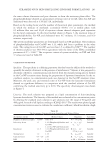
The initial pH of each sunscreen was slightly acidic, with the ZnO sunscreen at 6.62 ±
0.08, the TiO
2 sunscreen at 6.33 ± 0.19, and the combination at 6.95 ± 0.16. pH of the
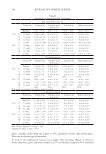
sunscreens stayed in the range of approximately 6–8 over the 12 weeks more specifically,
the ZnO sunscreens’ pH was in the range of 5.92 to 7.73 across different packaging
types, the TiO
2 sunscreens in the range of 5.33 and 7.38 across different packaging types,
and in the range of 6.09 and 7.01 for the combination sunscreens across different packaging
types. All sunscreens were considered stable during the 12-week stability study.
PARTICLE SIZE
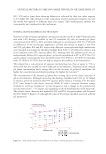
Measuring the particle size of the UV filters gives an indication of a sunscreen’s stability from
a uniformity perspective. A significant increase in particle size indicates that agglomeration
is occurring, which can affect its extent of protection, the density of the phase the inorganic
UV filter resides in, and stability of the emulsion.
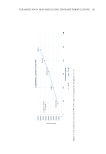
The baseline particle size was 0.23 ± 0.05 µm for the ZnO-based, 0.40 ± 0.25 µm for
the TiO
2 -based, and 0.27 ± 0.12 µm for the combination sunscreens. The particle size of
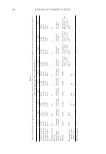
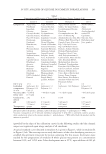
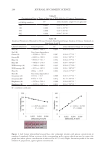
the UV filters in the ZnO and combination sunscreens remained uniform in all packaging
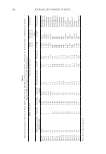
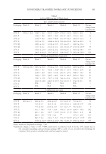
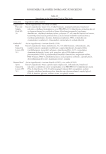
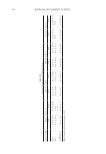
types throughout the 12 weeks (Table SII). In the TiO
2 -based sunscreens, the particle size
in plastic packaging at 45°C and glass packaging at 25°C increased significantly to 1.19 ±
1.21 µm and 1.36 ± 0.64 µm, respectively. Particle size in silicone packaging was not
measured due to its solidification after 2 weeks.
AESTHETICS
In addition to claims, how a sunscreen looks and smells are other factors that consumers
consider when purchasing a product. A sunscreen should maintain the same color and
smell throughout its shelf-life. Changes in these factors are signs of emulsion instability or
a lack of preservative efficacy, and therefore are unstable.
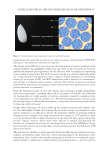
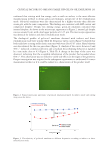
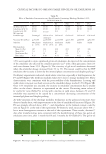
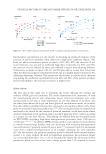
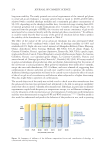
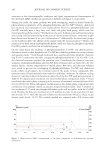
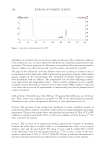
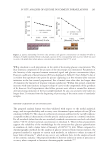
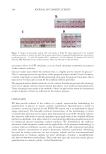
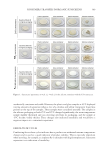
At week 0, the ZnO sunscreen had an off-white, eggshell color (Figure 1). After 12 weeks,
the plastic, glass, and metal samples at 25°C showed no changes aesthetically and were
stable. However, the plastic, glass, and metal samples at 45°C displayed varying levels of
separation where a yellow, transparent liquid was floating on the top of the sample in the
containers. This is an indication of creaming, and these samples were considered unstable.
The samples in the silicone packaging at both 25°C and 45°C changed significantly, where
both samples deepened in color and were visibly thicker.
At week 0, the TiO
2 sunscreen was bright white and shiny (Figure 1). After 12 weeks, the
plastic, glass, and metal samples at 25°C and the plastic sample at 45°C showed no changes
aesthetically however, they decreased in viscosity. The glass and metal samples at 45°C
displayed slight separation where a colorless, transparent liquid was floating on the top of
the samples and were considered unstable. The samples in the silicone packaging at both
25°C and 45°C changed significantly after two weeks. The sample at 25 °C solidified to soft
PH
pH was measured to evaluate any chemical changes occurring in the sunscreens. It is typical
for mineral sunscreens to have a pH of 7–8.18 Below pH of approximately 6, Zn2+ ions can
begin to migrate in ZnO-containing formulations, potentially ruining the formulation.18
The initial pH of each sunscreen was slightly acidic, with the ZnO sunscreen at 6.62 ±
0.08, the TiO
2 sunscreen at 6.33 ± 0.19, and the combination at 6.95 ± 0.16. pH of the
sunscreens stayed in the range of approximately 6–8 over the 12 weeks more specifically,
the ZnO sunscreens’ pH was in the range of 5.92 to 7.73 across different packaging
types, the TiO
2 sunscreens in the range of 5.33 and 7.38 across different packaging types,
and in the range of 6.09 and 7.01 for the combination sunscreens across different packaging
types. All sunscreens were considered stable during the 12-week stability study.
PARTICLE SIZE
Measuring the particle size of the UV filters gives an indication of a sunscreen’s stability from
a uniformity perspective. A significant increase in particle size indicates that agglomeration
is occurring, which can affect its extent of protection, the density of the phase the inorganic
UV filter resides in, and stability of the emulsion.
The baseline particle size was 0.23 ± 0.05 µm for the ZnO-based, 0.40 ± 0.25 µm for
the TiO
2 -based, and 0.27 ± 0.12 µm for the combination sunscreens. The particle size of
the UV filters in the ZnO and combination sunscreens remained uniform in all packaging
types throughout the 12 weeks (Table SII). In the TiO
2 -based sunscreens, the particle size
in plastic packaging at 45°C and glass packaging at 25°C increased significantly to 1.19 ±
1.21 µm and 1.36 ± 0.64 µm, respectively. Particle size in silicone packaging was not
measured due to its solidification after 2 weeks.
AESTHETICS
In addition to claims, how a sunscreen looks and smells are other factors that consumers
consider when purchasing a product. A sunscreen should maintain the same color and
smell throughout its shelf-life. Changes in these factors are signs of emulsion instability or
a lack of preservative efficacy, and therefore are unstable.
At week 0, the ZnO sunscreen had an off-white, eggshell color (Figure 1). After 12 weeks,
the plastic, glass, and metal samples at 25°C showed no changes aesthetically and were
stable. However, the plastic, glass, and metal samples at 45°C displayed varying levels of
separation where a yellow, transparent liquid was floating on the top of the sample in the
containers. This is an indication of creaming, and these samples were considered unstable.
The samples in the silicone packaging at both 25°C and 45°C changed significantly, where
both samples deepened in color and were visibly thicker.
At week 0, the TiO
2 sunscreen was bright white and shiny (Figure 1). After 12 weeks, the
plastic, glass, and metal samples at 25°C and the plastic sample at 45°C showed no changes
aesthetically however, they decreased in viscosity. The glass and metal samples at 45°C
displayed slight separation where a colorless, transparent liquid was floating on the top of
the samples and were considered unstable. The samples in the silicone packaging at both
25°C and 45°C changed significantly after two weeks. The sample at 25 °C solidified to soft