303 CONSUMERS TRANSFER INORGANIC SUNSCREENS
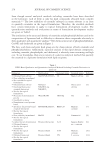
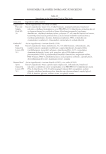
The packaging materials were also purchased from Amazon, including 2 oz clear plastic
bottles with flip caps (ZWLFLF), 2 oz clear glass jars with metal lids (Pinnacle Mercantile),
2 oz aluminum jars with lids (Yvjnxxan), and 2 oz soft silicone squeeze tubes with flip caps
(SYBL).
Plastic is the most common packaging for cosmetic and personal care products. Common
types of plastic include polyvinyl chloride, typically used for clear plastic bottles
acrylonitrile butadiene styrene, often used for sturdier compact containers and styrene-
acrylonitrile resin (SAN), typically formed into clear jars.7 The plastic bottle in this study
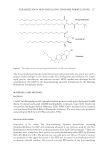
was made of polyethylene terephthalate (PET), and the cap of polypropylene (PP). PET is an
aliphatic polyester with great clarity, high flexibility, and good dimensional stability.8 PP is
a type of polyolefin that is physically sturdy and relatively chemically resistant with a low
density and high heat resistance.9 While clear plastic packaging is popular, transparency of
the container may allow light degradation of a sunscreen formulation.
Primarily derived from silicate, glass packaging is known to be impermeable to outside
contaminates and unlikely to react with the products it contains, making this packaging
type an ideal carrier for many cosmetic and personal care products.10 Additionally, many
consumers are turning to products in glass packaging not only because of the more
sustainable impact, but also because it enhances the consumer experience with its look
and feel.11 However, its brittleness, fragility, and transparency do not make this material a
practical option for manufacturers to produce. While amber or green colors are available
to account for light instability, transporting glass packaging is less cost-effective due to its
heavier weight and special handling.
Aluminum packaging is lightweight, cost-effective, flexible, and the most common metal-
based packaging material for cosmetics. While these properties may be advantageous,
other factors need to be considered, such as chemicals, like chelating agents, leaching into
the product, expansion of the containers in higher temperatures, and corrosion.12
There is very limited information on silicone packaging found in the literature. However,
a review by Colas et al. briefly discusses how silicone tubing used in pharmaceutical
applications can absorb ingredients with low molecular weight.13 The chemical composition
of the silicone tubing was not specified by the manufacturer, but this behavior aligns with
the results found in this study. Further research needs to be conducted on the composition
and properties of silicone packaging in a personal care context, especially considering
that “TSA-approved” products have increased in popularity and are easily accessible to
consumers.
METHODS
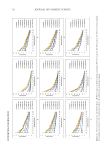
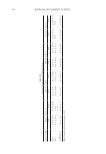
Stability testing. To evaluate stability, the sunscreens were transferred from their
original packaging to alternative packaging and placed into 25°C and 45°C stability
cabinets for 12 weeks. Each sample was tested for in vitro SPF, critical wavelength,
viscosity, spreadability, pH, particle size, and aesthetics at weeks 0, 2, 4, 8, and 12.
Additionally, each sunscreen underwent three freeze-thaw cycles in each packaging
type.
There is currently no enforceable protocol on how to test the stability of sunscreens
in the United States. The only requirement the FDA has for sunscreen stability is that
they maintain a shelf-life of three years, but it is the manufacturer’s discretion on how
to test
The packaging materials were also purchased from Amazon, including 2 oz clear plastic
bottles with flip caps (ZWLFLF), 2 oz clear glass jars with metal lids (Pinnacle Mercantile),
2 oz aluminum jars with lids (Yvjnxxan), and 2 oz soft silicone squeeze tubes with flip caps
(SYBL).
Plastic is the most common packaging for cosmetic and personal care products. Common
types of plastic include polyvinyl chloride, typically used for clear plastic bottles
acrylonitrile butadiene styrene, often used for sturdier compact containers and styrene-
acrylonitrile resin (SAN), typically formed into clear jars.7 The plastic bottle in this study
was made of polyethylene terephthalate (PET), and the cap of polypropylene (PP). PET is an
aliphatic polyester with great clarity, high flexibility, and good dimensional stability.8 PP is
a type of polyolefin that is physically sturdy and relatively chemically resistant with a low
density and high heat resistance.9 While clear plastic packaging is popular, transparency of
the container may allow light degradation of a sunscreen formulation.
Primarily derived from silicate, glass packaging is known to be impermeable to outside
contaminates and unlikely to react with the products it contains, making this packaging
type an ideal carrier for many cosmetic and personal care products.10 Additionally, many
consumers are turning to products in glass packaging not only because of the more
sustainable impact, but also because it enhances the consumer experience with its look
and feel.11 However, its brittleness, fragility, and transparency do not make this material a
practical option for manufacturers to produce. While amber or green colors are available
to account for light instability, transporting glass packaging is less cost-effective due to its
heavier weight and special handling.
Aluminum packaging is lightweight, cost-effective, flexible, and the most common metal-
based packaging material for cosmetics. While these properties may be advantageous,
other factors need to be considered, such as chemicals, like chelating agents, leaching into
the product, expansion of the containers in higher temperatures, and corrosion.12
There is very limited information on silicone packaging found in the literature. However,
a review by Colas et al. briefly discusses how silicone tubing used in pharmaceutical
applications can absorb ingredients with low molecular weight.13 The chemical composition
of the silicone tubing was not specified by the manufacturer, but this behavior aligns with
the results found in this study. Further research needs to be conducted on the composition
and properties of silicone packaging in a personal care context, especially considering
that “TSA-approved” products have increased in popularity and are easily accessible to
consumers.
METHODS
Stability testing. To evaluate stability, the sunscreens were transferred from their
original packaging to alternative packaging and placed into 25°C and 45°C stability
cabinets for 12 weeks. Each sample was tested for in vitro SPF, critical wavelength,
viscosity, spreadability, pH, particle size, and aesthetics at weeks 0, 2, 4, 8, and 12.
Additionally, each sunscreen underwent three freeze-thaw cycles in each packaging
type.
There is currently no enforceable protocol on how to test the stability of sunscreens
in the United States. The only requirement the FDA has for sunscreen stability is that
they maintain a shelf-life of three years, but it is the manufacturer’s discretion on how
to test