263 CRITICAL FACTORS TO OBTAIN STABLE HIP GEL-IN-OIL EMULSIONS
were stable over time, and no differences were observed in their microscopic appearance,
similar to Figure 2. Formulations F1, F2, and F3, with aqueous gel viscosity lower than
18,000 mPa·s, were defective cream gels as indicated by high conductivity values. This
shows that a minimum viscosity of the internal phase was required to create gel-in-oil
emulsions.
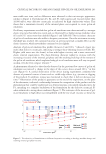
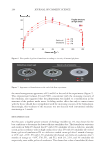
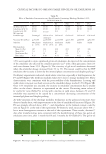
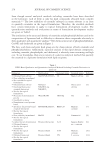
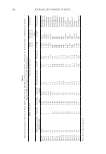
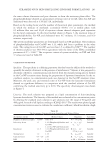
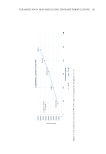
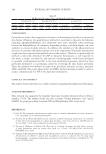
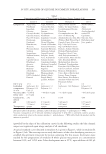
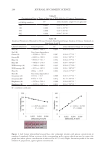
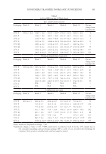
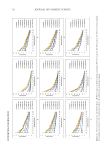
Oscillatory experiments revealed that gel-in-oil emulsions were characterized by a stronger
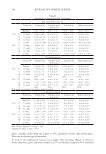
elastic structure than defective cream gels, as illustrated by a higher storage modulus value
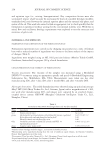
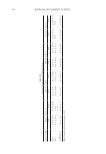
(G’) and G’/G” ratios more than doubled (Figure 5 and Table III). The viscoelastic character
of gel-in-oil emulsions was also stable to frequency variations. Once the minimum viscosity
threshold was reached, the continued increase in gel viscosity had a smaller effect on the
elastic character, which nevertheless continued to rise slightly.
Analysis of gel-in-oil emulsion flow profiles (between 0 and 400 s−1) showed a lower rate
index than defective cream gels, indicating a stronger shear-thinning character (Table III).
Higher yield stress was also found, in line with higher viscosity and a more structured/
elastic internal organization. The shear-thinning character tended to increase with the
increasing viscosity of the internal gel phase and the resulting build-up of the texture of
the gel-in-oil emulsions, which explained why gel-in-oil emulsions were still easy to spread
on skin, even for very compact textures.20
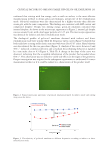
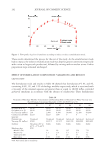
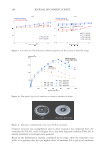
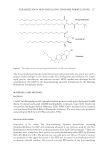
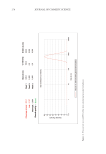
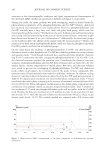
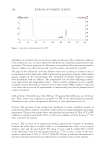
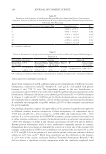
A phenomenon identical to that already observed in the previous flow curves of gel-in-oil
emulsions was noticed: a change in the slope of the curves, above around 400 s−1 in this
case (Figure 6). A careful observation of the device during experiments confirmed the
absence of potential sources of error such as visible edge effects (e.g., ejection or digging
of the product). In addition, torque was monitored to check that it did not decrease over
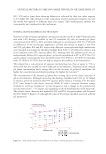
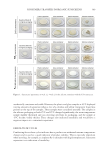
time.25 Observation of the product’s appearance at the end of the experiment, on the plate
of the rheometer, indicated a relationship between the composition of the product and the
phenomenon that could be understood as a destructuration, or localized mini-fractures, for
F4, extending to a complete breakdown of the formulation for the defective cream gel F3
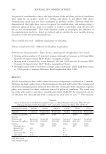
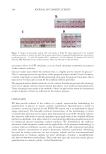
when submitted to strong shear conditions (Figure 7). The resistance of the structure of gel-
in-oil emulsions to high shear was strengthened with the rise of gel viscosity as shown by
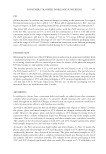
Figure 5. Viscoelasticity of formulations at different frequencies according to rheology modifier dosage and
resulting internal gel phase viscosity.
were stable over time, and no differences were observed in their microscopic appearance,
similar to Figure 2. Formulations F1, F2, and F3, with aqueous gel viscosity lower than
18,000 mPa·s, were defective cream gels as indicated by high conductivity values. This
shows that a minimum viscosity of the internal phase was required to create gel-in-oil
emulsions.
Oscillatory experiments revealed that gel-in-oil emulsions were characterized by a stronger
elastic structure than defective cream gels, as illustrated by a higher storage modulus value
(G’) and G’/G” ratios more than doubled (Figure 5 and Table III). The viscoelastic character
of gel-in-oil emulsions was also stable to frequency variations. Once the minimum viscosity
threshold was reached, the continued increase in gel viscosity had a smaller effect on the
elastic character, which nevertheless continued to rise slightly.
Analysis of gel-in-oil emulsion flow profiles (between 0 and 400 s−1) showed a lower rate
index than defective cream gels, indicating a stronger shear-thinning character (Table III).
Higher yield stress was also found, in line with higher viscosity and a more structured/
elastic internal organization. The shear-thinning character tended to increase with the
increasing viscosity of the internal gel phase and the resulting build-up of the texture of
the gel-in-oil emulsions, which explained why gel-in-oil emulsions were still easy to spread
on skin, even for very compact textures.20
A phenomenon identical to that already observed in the previous flow curves of gel-in-oil
emulsions was noticed: a change in the slope of the curves, above around 400 s−1 in this
case (Figure 6). A careful observation of the device during experiments confirmed the
absence of potential sources of error such as visible edge effects (e.g., ejection or digging
of the product). In addition, torque was monitored to check that it did not decrease over
time.25 Observation of the product’s appearance at the end of the experiment, on the plate
of the rheometer, indicated a relationship between the composition of the product and the
phenomenon that could be understood as a destructuration, or localized mini-fractures, for
F4, extending to a complete breakdown of the formulation for the defective cream gel F3
when submitted to strong shear conditions (Figure 7). The resistance of the structure of gel-
in-oil emulsions to high shear was strengthened with the rise of gel viscosity as shown by
Figure 5. Viscoelasticity of formulations at different frequencies according to rheology modifier dosage and
resulting internal gel phase viscosity.