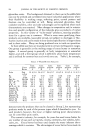
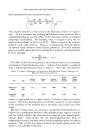
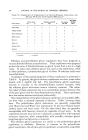
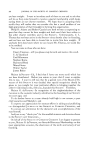
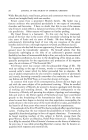
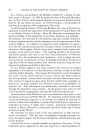
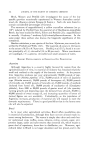
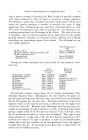
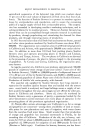
240 JOURNAL OF THE SOCIETY OF COSMETIC CHEMISTS Thus, each alcohol group is represented by two members one containing a low dimethylsiloxane content and the other a high concentration of dimethylsiloxane. As the chain length of the alcohol portion of these materials is increased from the octyl to the 22 carbon behenyl radical, some changes take place. First, the lower alcohols yield esters which are liquids at room temperature while the stearyl and behenyl derivatives are solids under the same condi- tions. This is not unusual, however, for the alcohols themselves behave in a similar fashion. Second, the longer alcohol chain lengths give rise to an increased number of siloxane units between the organic radicals. For example, consider molecules containing equivalent dimethylsiloxane con- centrations by weight, but different end groups such as octyl and behenyl. The weight of the behenyl end groups exceeds that of the octyl end groups almost fourfold. It is evident, then, that more dimethylsiloxane units will be required in the behenyl derivatives than in the octyl derivatives to yield the same silicone content. As a result, the siloxane portion should be able to exert more influence on the over-all properties of the molecule. These materials are different from the normal silicones in that the long chain alkyl group is attached to the silicone through an oxygen rather than by a direct carbon to silicon bond. In the presence of alkaline or acid catalyst, these silicones can be hydrolyzed to yield a high molecular weight dimethylpolysiloxane and an alcohol. However, the long chain alcohols do offer a degree of stearic hindrance to hydrolysis so that these silicones do not hydrolyze to any extent under normal condition• of use. Certainly they are less susceptible to hydrolysis than silicate esters of ethanol or propanol. TABLE 4--TYPICAL PROPERtrIES OF SILICONE ESTERS Refractive Specific Surface MezSiO Melting Viscosity, Index GrayiCy Tension Alcohol Content Color Point cs at 25 C 25 C 25 C/25 C dyne/cm Oct¾1 low straw --70 C 4.8 1.4208 0.84b 27.5 high It. straw --70 C 6.2 1.4176 0.887 25.8 Lauryl low It. straw 1:1 C 15.6 1.4:168 0.856 28.5 high It. straw 14 C 15.:1 1.4256 0.896 24.8 Penetration IASTM D5-52) Stearyl low It. ton 45-48 C 27 high white 40-4:1 C :180 Behenyl low tan 48-5:1 C 18 high tan 25-30 C 187

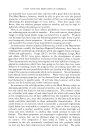
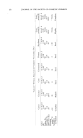
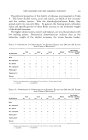
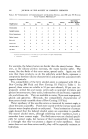
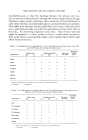
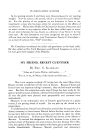
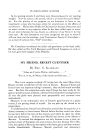
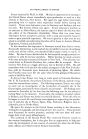
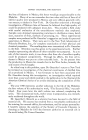
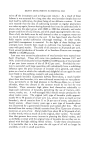
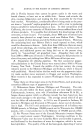
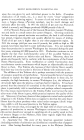
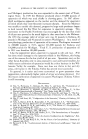
NEW SILICONES FOR THE COSMETIC INDUSTRY 241 The physical properties of this family of silicones are presented in Table 4. The lower alcohol esters, octyl and lauryl, are fluids of low viscosity and low surface tension. Like the dimethylpolysiloxane fluids, they spread easily into non-oily films. In general, the freezing point, refractive index and specific gravity of these fluids increase as the molecular weight of the alcohol increases. The higher alcohol esters, stearyl and behenyl, are wax-like products with low melting points. Penetration determinations indicate that as the molecular weight of the alcohol increases, the waxes become harder. 'FABLE 5--COMPARISON OF COMPATIBILITY OF SILICONE ESTERS AND 200 AND 555 FLUIDS WITH VARIOUS MATERIALS q• Dew Corning Octyl Lauryl Stearyl Behenyl 555 Fluid 200 Fluid Me,SiO Cantent law hi low hi low hi low hi 350 cs Water J i i i i i i i i i 70% Isoproponol i J i i i i i i i i 95 % Ethanol C C C i i i C i C i 99% Isoprop •nol C C C C C C i i C Ethylene glycol i i i i i i i i i i Propylene gly' •1 i i i i i i i C i i Glycerine i i i i i i i i i i ø Teste:l at room temperature as o mix made up of J part silicone to 10 parts moterrol hsted C compatible i--incompatible TABLE 5A--CoMPARISON OF COMPATIBILITY OF SILICONE ESTERS AND 200 AND 555 FLUIDS WITI-I VAKIOUS MATEKIALS* Daw Corning Octyl Lauryl Stearyl Behenyl 555 Fluid 200 Fluid M%SiO Content low hi low hi low hi low hi 350 cs Water i i i i i i i i i i 70% Isapropanol i i i i i i i i i i ß 95 % Ethanol C C C i i i i i C • 99% Isoproponol C C C C C C i i C i Ethylene glycol i i i i i i i i i i Propylene glycol i i i i i i i C i i Glycerine i I i i i i i i i i Tested at room temperature os o mix made up of I port sd•cone to 10 parts material hsted C -compatible •--incompat•ble
Purchased for the exclusive use of nofirst nolast (unknown)
From: SCC Media Library & Resource Center (library.scconline.org)