226 JOURNAL OF THE SOCIETY OF COSMETIC CHEMISTS enough to compel one to study a given media and then select the mono- glyceride which would give the best results for that system. Alsop and Percy (13) found the presence of coconut oil fatty acid mono- glyceride stabilized emulsions of water and mineral oil containing soap and detergent. Bennett (14) has indicated that broader possibilities exist in the use of monoglycerides based on the techniques employed in preparing oil-in-water or water-in-oil emulsions. In the industrial application of monoglycerides, however, many factors must be considered beyond those covered by the authors mentioned. Rancidity, viscosity and opacity, for example, are but a few other considera- tions which may govern the choice of the monoglyceride. The mono- glycerides used in industry are generally a compromise between the chem- ically pure products of'given composition with specific oriented structures and the products which can be manufactured economically and constituting a mixture of mono-, di- and tri-esters present in a higher or lower percent- age depending on the technique used. The major supply available are products having 40 to 50 per cent monoglycerides with the balance prima- rily diglycerides and small amounts of triglycerides, free glycerin, free fatty acids, and in some cases, fatty acid soaps. In order to study the over-all, general behavior of the monoglycerides, we considered taking a typical product of industry containing 40 to 42 per cent monoglyceride and arbitrary formulations in water, oil or water-and-oil combination, and observed the differences which demonstrated the role specific fatty acids can play in otherwise identical products, conditions and system. Using fatty acids of 95 per cent purity, we prepared the monoglycerides of the saturated fatty acids C•.o through C•8. In this list we included the monoglycerides of approximately 90 per cent purity oleic acid and mono- glyceride of mixed fatty acids such as lard or tallow. Each of these mono- glycerides was prepared under controlled conditions, giving almost identical monoglyceride and diglyceride content. These products were evaluated along with several commercially available monoglycerides of equivalent monocontent in the following systems: 1. 20 parts light mineral oil, 80 parts water, 5 parts monoglyceride. 2. 90 parts light mineral oil, 10 parts monoglyceride. 3. 90 parts RBF cottonseed oil, 10 parts monoglyceride. 4. 90 parts water of pH 9, 10 parts monoglyceride. In each case the oil phase and the monoglyceride were mixed and heated to 60øC., under agitation. Water was added slowly at 60øC., and allowed to cool to room temperature while the agitation continued. Usually it took about thirty minutes for the mixing. In the experiments of system No. 1 of water and oil, the glyceryl mono- palmitate and monomyristate proved to be superior from the standpoint

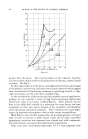
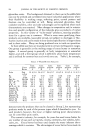
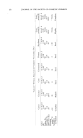
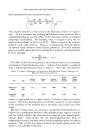
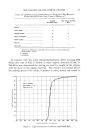
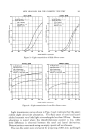
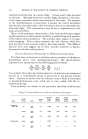
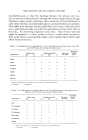
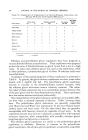
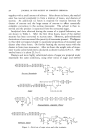
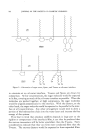
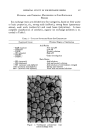
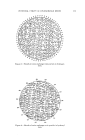
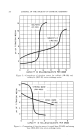
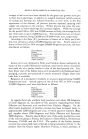
FATTY ACIDS AND DERIVATIVES IN COSMETICS 227 of emulsion stability , thickening power, opacifying power, texture of emul- sion and appeara:,ce. The glyceryl mono/31eate showed less binding or thickening charac.teristics but nevertheless gave thin but stable emulsions. The glyceryl mon•ostearate and the laurate gave relatively poor systems and the emulsion broke within several hours. The monoglyceride of the mixed fatty acids qf oleic, palmitic and stearic gave additive characteristics and performance.' The percentage of palmitic acid in the mixed mono- glyceride appeared to dominate the performance characteristics. In system No. 2 of oil and monoglyceride, the viscosity of the system was directly in line with the increase in the chain length of the fatty acid used with the glyceryl monolaurate giving the thinnest gel and the glyceryl monostearate giving the thickest gel. Glyceryl mono61eate, however, proved to be completely soluble in the oil gil•ying a clear and homogeneous solution. In system No. 3 of vegetable oil and monoglyceride the results were fairly consistent With those obtained in system No. 2. Perhaps the viscosities and gelling properties of the palmitic and the myristic were somewhat more marked than those observed with mineral oil. In system No. 4 where small amounts of soap could be formed due to the presence of alkali and fatty acids, unusual thickening and suspending characteristics were noted for the myristic and palmitic monoglyceride. The combined effects of the monoglyceride and the soap of those fatty acids appeared to give thicker and smoother creams than those from stearic, oleic and lauric. Considering the monoglycerides of saturated fatty acids are stable to oxidation, color and odor development and can be easily and economically prepared, the monoglycerides of myristic and palmitic acids appear to hold promise for more extensive use in both oil and water systems. In the oil system alone, however, where miscibility may be a desirable factor, the monoglyceride of oleic acid can be effectively used. In the thickening, gelling or opacifying of oil systems the monoglycerides of stearic, palmitic and myristic can be used rather well. In line with the evaluation of the monoglyceride, our laboratory also prepared the triglycerides of the same fatty acids. The triglycerides were tested for their solubility, suspending and gelling characteristics in both mineral and vegetable oils. In mineral oil, for example, the triolein was completely miscible. The saturated fatty acid glycerides showed that the palmitichad greater gelling properties than stearic, which in turn was greater than the myristic ester. The same degree of gelation was possible in the given system even with the lauric ester, but only at greater concentrations of the glyceride. Results are tabulated in Fig. 1. In the vegetable oil system the palmitic and rhyristic esters gave superior gelling and suspending characteristics than th'• stearic, which in turn was
Purchased for the exclusive use of nofirst nolast (unknown)
From: SCC Media Library & Resource Center (library.scconline.org)