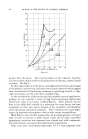
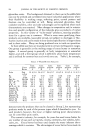
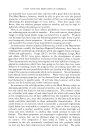
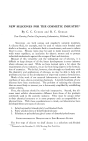
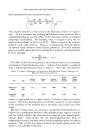
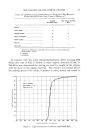
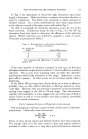
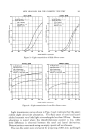
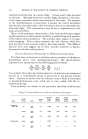
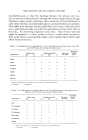
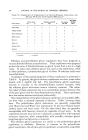
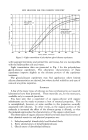
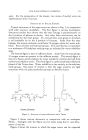
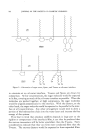
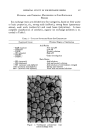
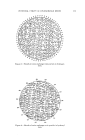
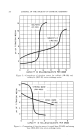
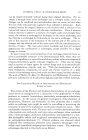
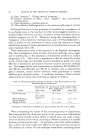
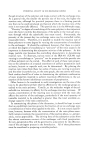
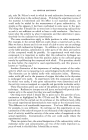
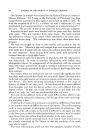
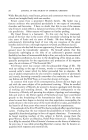
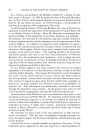
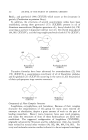
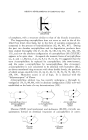
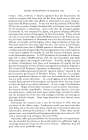
228 JOURNAL OF THE SOCIETY OF COSMETIC CHEMISTS lOO 80 •6o • 40 30 2o 0 5 10 15 20 25 30 35 % TRIGLYCERIDE IN MINERAL OIL •'IGURE ]. greater than the lauric. The crystal pattern of the trilaurin, however, was found quite objectionable to the preparation of smooth, creamy liquids or pastes. See Fig. 2. In the triglycerides, as in the mono- and diglyceride mixtures, advantages of the palmitic and myristic acid esters were clearly observed which suggest their consideration for thickening, creaming or opacifying mineral or vege- table oil systems over the other fatty acid glycerides. In the consideration of glycerides and their possible uses and application, perhaps we can consider a series of high lauric-containing triglycerides which have come to be known as Hard Butters. Their primary use has been in the edible field, initially as a substitute for cocoa butter, but later considered on their own merits because of the versatility and flexibility which this group of products possesses. Their industrial use is just begin- ning to be explored and promises to have a wide variety of possibilities. Hard Butters were initially prepared by the pressing operation of kernel type oil such as coconut or palm kernel, where the oil under controlled temperature conditions was separated into a liquid and solid component. The solid fraction was used as the substitute for cocoa butter. Some years later reconstituted glycerides (15-17) were prepared from

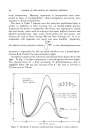
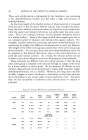
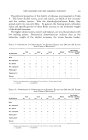
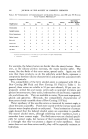
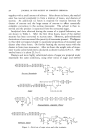
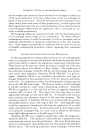
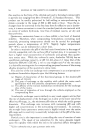
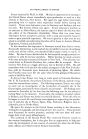
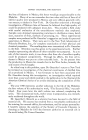
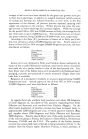
FATTY ACIDS AND DERIVATIVES IN COSMETICS 229 fractionated coconut or palm kernel fatty acids to give specific composi- tions with physical and chemical characteristics most desired in the choco- late industry. Further development of the field brought forth displaced glycerides (18-19) where given fatty acid components in the same oils could be ad- vantageously displaced with other fatty acids to yield glycerides having the desired chemical and physical properties. Hydrogenation to stabilize and increase the melting or softening point of the glyceride was considered as another step in the development of more desirable end products. Kernel oils hydrogenated to complete saturation began to be introduced in the trade and found use especially in the biscuit coating field. Many such modifications now exist for a variety of edible uses. Ester-ester exchange (20-23) or rearranged glycerides at random dis- tribution with subsequent hydrogenation brought forth still another variety of hard butters where not only the kernel oil was utilized, but also some of the domestic oils such as cottonseed oil were used in conjunction with the kernel oils. At the present time a highly developed and satisfactory assortment of lOO 90 80 70 o 60 2• 50 -- 4 40 30 0 õ 10 1õ 20 2õ 30 5• % TRIGLYCERIDE IN VEGETABLE OIL Ft•t•RE 2.
Purchased for the exclusive use of nofirst nolast (unknown)
From: SCC Media Library & Resource Center (library.scconline.org)