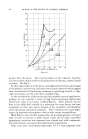
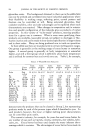
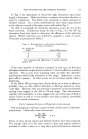
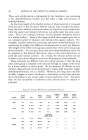
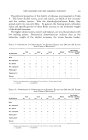
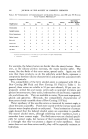
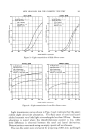
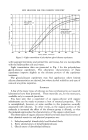
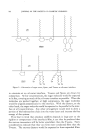
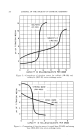
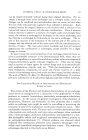
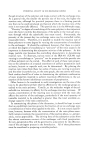
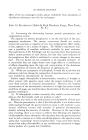
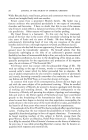
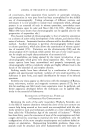
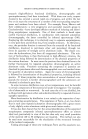
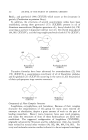
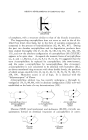
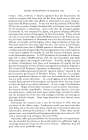
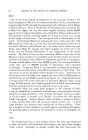
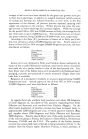
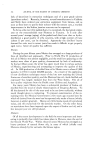
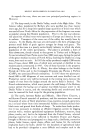
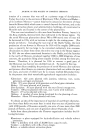
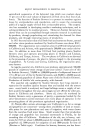
260 JOURNAL OF THE SOCIETY OF COSMETIC CHEMISTS z SULFONIC• (IR-120) ( / CARBOXY/(ITC-50) ./ 12 10 8 6 2 "' 4 o 2 4 6 8 10 12 CAPACITY IN MILLIEQUIVALENTS PER GRAM Figure 5.--Comparison of titration curves for sulfonic (IR-120) and carboxylic (IRC-50) cation exchange resins. 12 z B '•STRONG BASE (IRA-400) • WEAK BASE -• (IR-4B) 0 2 4 6 8 CAPACITY IN MILLIEQUIVALENTS PEr GRAM Figure &--Comparison of titration curves for weak base (IR-4B) and strong base (IRA-400) type anion exchange resins.

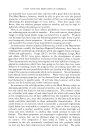
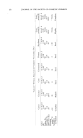
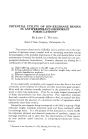
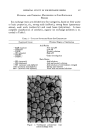
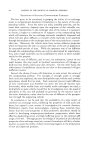
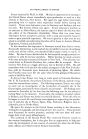
POTENTIAL UTILITY OF ION-EXCHANGE RESINS 261 can be mixed intimately without losing their original identities. For ex- ample, a strongly basic anion exchanger and a strongly acidic cation ex- changer can be combined and neutralization does not occur, at least when the size of the resin particles is greater than colloidal in dimension. Each material retains its original identity in the mixture until a solution of an ionized salt comes in contact with the resin combination. Thus, if aqueous sodium chloride is' added to a mixture of strongly acidic and strongly basic resins, the sodium is exchanged for hydrogen on the cation exchanger, and the chloride is exchanged for hydroxide on the anion exchanger. The re- sult of this reaction is the formation of the sodium salt of the cation ex- changer and the chloride salt of the anion resin with the simultaneous pro- duction of water. The resin salts remain insoluble and from all outward appearances the combination is unchanged, except possibly for a slight change in volume. In recent years the novel properties of ion exchange materials have re- ceived considerable attention in the pharmaceutical field, where they are the active ingredients in antacid formulations, sodium reduction compounds intestinal absorbents, gastric indicator reagents, etc. They also are being used as carriers or depot agents for various drugs such as p-aminosalicylic acid, amphetamine, caprylic acid, etc. With the development of all of these therapeutic compounds, the acute and chronic toxicity of a wide variety of ion exchange resins, both acidic and basic types, has been checked. The work of Martin (2), Root (3), Heming (4) and McChesney (5) contains pertinent information on the pharmacological properties of these materials. IoN EXCHANGE RESINS IN ANTIPERSPIRANT-DEODORANT FORMULATIONS This review of the physical and chemical characteristics of •on exchange resins serves as background for a discussion of the applicability of these products to cosmetic formulations, particularly antiperspirant-deodorant preparations. In the course of a general investigation of the chemistry of perspiration, Thurmon and Ottenstein (6) first proposed that a weakly acidic ion exchange resin might be useful in controlling or preventing the formation of some of the malodorous constituents of apocrine sweat. After considerable orientation work, Thurmon and co-workers demonstrated that a fine particle size, carboxylic acid type cation exchanger, when combined with a mild astringent, aluminum sulfocarbolate, and suspended in a suit- able hydrophilic vehicle such as glyceryl monostearate showed promise as an antiperspirant-deodorant (7). Clinical evidence was obtained which indicated this combination possessed some apparent advantages over a widely used commercial antiperspirant-deodorant cream. The important advantages observed in this study are as follows:
Purchased for the exclusive use of nofirst nolast (unknown)
From: SCC Media Library & Resource Center (library.scconline.org)