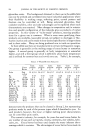
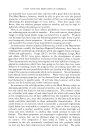
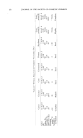
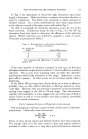
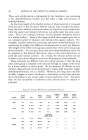
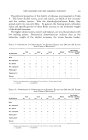
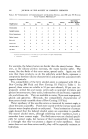
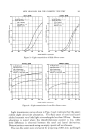
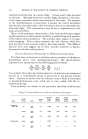
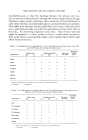
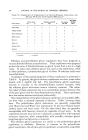
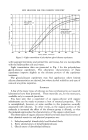
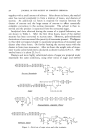
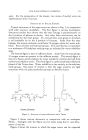
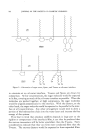
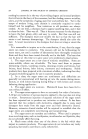
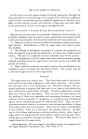
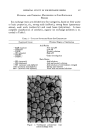
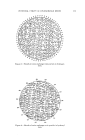
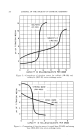
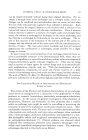
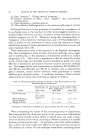
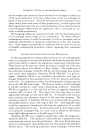
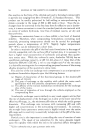
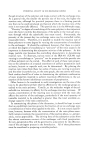
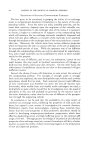
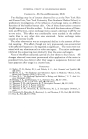
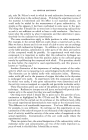
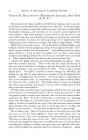
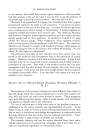
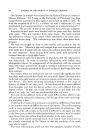
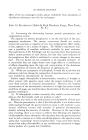
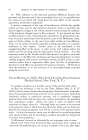
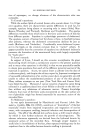
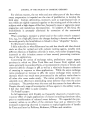
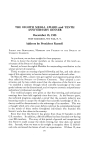
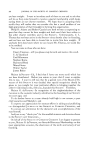
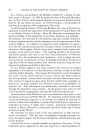
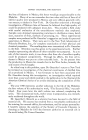
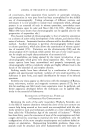
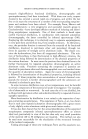
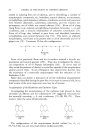
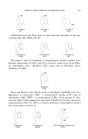
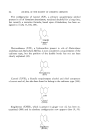
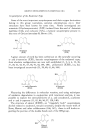
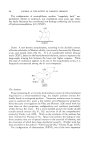
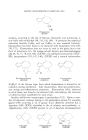
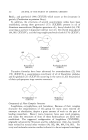
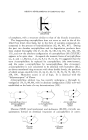
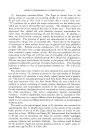
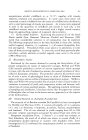
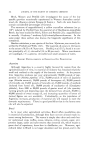
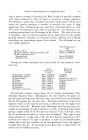
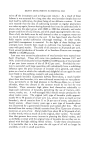
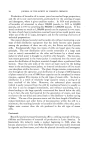
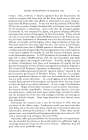
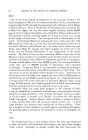
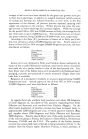
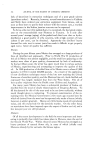
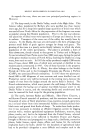
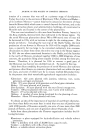
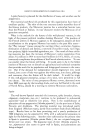
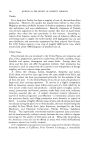
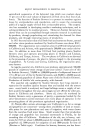
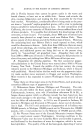
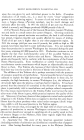
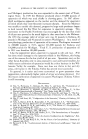
258 JOURNAL OF THE SOCIETY OF COSMETIC CHEMISTS Figure 2.--Quaternary amine, polystyrene type anion exchange resin. Most of the resins now available on the market are prepared by first synthesizing high molecular weight, insoluble copolymers, such as styrene and divinyl benzene, and subsequently treating the insoluble polymeric "beads" thus formed with a reagent to introduce acidic or basic groups. Some idea of the physical appearance of an ion exchange resin can be gained from examining the photomicrograph shown in Fig. 1. This is a typical strong acid (sulfonic) type cation exchange resin which is prepared by sul- fonating a copolymer of styrene and divinyl benzene. Figure 2 shows a strong base (quaternary amine) type anion exchanger produced by chloro- methylating a copolymer of styrene and divinyl benzene, then aminating the chloromethylated product to obtain a polystyrene type resin. The exchange groups of these polymeric acids and bases are located throughout the resin structure as depicted in the accompanying diagrams. Figure 3 is a sketch of a cation exchanger bead in the hydrogen form and Fig. 4 is a similar drawing of fin anion exchanger bead in the hydroxyl form. As indicated, ion exchange polymers are solid acids or bases, and they undergo all of the •tandard reactions of these reagents, i.e., neutralization, salt formation, hydrolysis, etc. Figures $ and 6 show typical titration curves for four of the standard exchangers, strong acid, weak acid, strong base and weak base. The fact that these materials are extremely insolubl% high molecular weight polymers means that they have one important char- acteristic not possessed by the usual, water soluble acids and bases--they

POTENTIAL UTILITY OF ION-EXCHANGE RESINS 259 Figure 3.--Sketch of cation exchange resin particle in hydrogen form. OH OH o:.: o. O8 O• O• }• O• O• Figure 4.•Sketch of anion exchange resin particle in hydroxyl form.
Purchased for the exclusive use of nofirst nolast (unknown)
From: SCC Media Library & Resource Center (library.scconline.org)