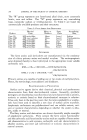
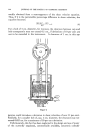
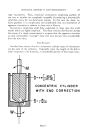
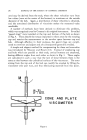
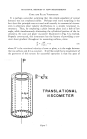
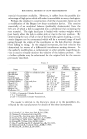
302 JOURNAL OF THE SOCIETY OF COSMETIC CHEMISTS matter of minutes by applying friction to the treated areas. Unfortunately, it was found difficult to apply the same uniform degree of friction to the several treated sites also, such friction invariably resulted in a pronounced darkening of the area (under ultraviolet illumination only) thereby ren- dering the results difficult to evaluate. This procedure was therefore dis- carded for the purposes of the present investigation. TABLE I Average Product Individual Scores Score Cleansing Cream A 4-4- 4-4- 4-4-+ 4-4- 4-4- 2.2 Cleansing Cream B 4-4-+ 4-4- 4-4- 4-4- 4-4- 2.2 Cleansing Cream C +4-4- 4-4- 4-4-4- 4-4-4- 4-4- 2.6 Cleansing Cream D 4-4-+ 4-4-4- +4-4- 4-4-4- 4-4-4- 3.0 Silicone grease 0 0 0 0 0 0 Salts 0 0 0 0 0 0 Milk + 0 + + + 0 0.8 Span 20 4- 4- 4- 4- 0 0.8 Tween 85 4- + + 4- 0 0.8 Petrolatum + ++ + + + + 1.4 Lanolin, toilet + ++ + + + ++ 1.6 Hydrogenated Lard ++ ++ +++ ++ ++ 2.0 Polyethylene Glycol 400 + + + + + + + + + + + + + 2.6 Olive $il ++ +++ +++ ++ +++ 2.6 Based on the findings obtained with the cleansing creams, similar ex- periments were conducted with a number of individual ingredients. The latter were chosen at complete random--those which happened to be con- veniently on hand--and by no means were intended to represent a cross- section of ingredients commonly used. The findings, also presented in Table I, indicate a marked spread of efficacy among the products with oleag- inous substances being the most effective. In view of the known lipoidal nature of sebum, the solubilizing properties of a series of fat solvents were also studied. These included acetone, chloroform, glycerol, kerosene, white gasoline, dioxane, trichloroethylene and ethanol (95 per cent). Because of their topical irritant properties, extended applications were avoided instead, they were applied to the skin by means of a saturated cotton swab and rubbed into the area for a period of sixty seconds. Surprisingly, none of these solvents was found to be effective in removing the solid sebum plaques however, they effec- tively removed the surface oily layer rendering the treated areas dry and uncomfortable. DISCUSSION The sebaceous gland has been exhaustively reviewed by Rothman (1) and by Montagna (2) among others. From a physiological point of view, these glandular elements have been studied in reference to structure, dis-

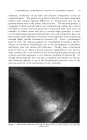
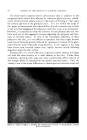
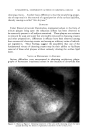
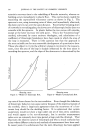
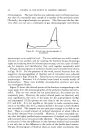
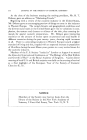
FUNDAMENTAL, COMPARATIVE ACTIONS OF CLEANSING CREAMS 303 I tribution, mechanism of excretion and chemical composition of the ex- creted products. The glands are present in the skin over most of the body • surface with marked regional differences in concentration and are ap- parently absent only in the palms, soles and foot. The excreted product is composed of lipids and cell debris and compositional studies have shown the lipids to contain both saturated and unsaturated fatty acids with odd • numbers of carbon atoms and also to contain large quantities of waxes (3-5) lipids possessing such characteristics and such composition have not been found to exist elsewhere in the body indicating sebum to be synthesized through highly specific biochemical processes (6). From a pathological point of view, the sebaceous glands are immediately involved in the for- mation of coinedones (blackheads) and in the development of seborrheic dermatitis, ache and various skin blemishes. Finally, from a functional point of view (1, 2), sebum is known to possess fungicidal (7) and bacteri- cidal activities (8), to be involved in the normal keratinization process and to be an essential component in the radiation synthesis of vitamin D. Al- though these properties have not been completely elucidated, it is obvious that sebaceous glands, as one of the fundamental structural units of the skin, are essential to the maintenance of skin normality. Figure 1.--The human female nose showing the. fluorescence of sebum lying in and upon the surface ducts..
Purchased for the exclusive use of nofirst nolast (unknown)
From: SCC Media Library & Resource Center (library.scconline.org)