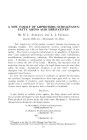
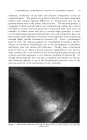
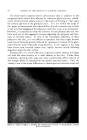
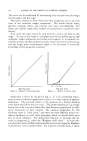
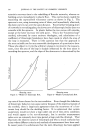
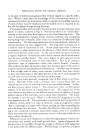
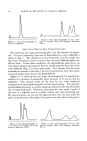
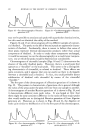
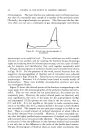
304 JOURNAL OF THE SOCIETY OF COSMETIC CHEMISTS The observations reported herein demonstrate that in addition to the: recognized lipid surface film affected by sebaceous gland activity, solidifi- ß cation of the excreted seburn occurs to the extent of forming a "cap" upon , the surface aperture of the glandular duct. It is not within the scope of: this paper to demonstrate the undesirability of such a situation nor to infer ß in any way that plugging of the sebaceous canal may occur as a consequence. However, it is pointed out that the existence of such plaques does not con- ß form with any of the suggested concepts regarding the purposes and func- ß tions of excreted sebum. In view of the remarkable adherence of these plaques to the skin, it is not difficult to speculate that they might become local sites of bacterial growth followed by subsequent invasion of the glan- dular element itself (especially anaerobically) in this regard, it has long been known that excreted sebum mav rapidly become rancid following deposition upon the skin surface. Cosmetically, it is conceivable that inspissated sebum adheres to foreign soil with the same tenacity as it itself adheres to the skin. Under these conditions, cleansing with soap and water could hardly effect removal of this foreign debris as indicated by the studies reported herein. This, ob- viously is one of the major differences in cleansing action between soaps and ..l Figure 2.--Same as Figure 1 showing .the architectural extrusion of the glandular contents prior to treatment.

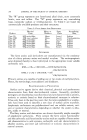
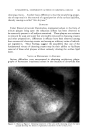
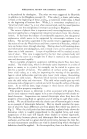
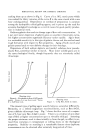
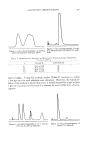
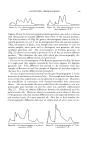
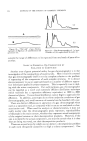
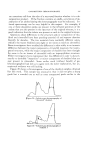
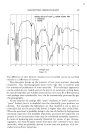
FUNDAMENTAL, COMPARATIVE ACTIONS OF CLEANSING CREAMS 305 cleansing creams. Another basic difference is that the emulsifying proper- ties of soap result in the removal of a good portion of the surface lipid film, thereby causing so-called "skin dryness." SUMMARY Under filtered ultraviolet illumination, inspissated sebum in the form of minute plaques lying upon the sebaceous orifices has been observed to be commonly present in all subjects examined. These plaques are resistant to removal by soap and water but are readily removed by cleansing creams and other preparations differences in efficacy have been observed among four commercial cleansing creams and among an arbitrary series of individ- ual ingredients. These findings suggest the possibility that one of the fundamental virtues of cleansing creams may be their ability to facilitate removal of these sebal plaques without seriously altering the surface lipid layer. . NOTES IN REFERENCE TO FIGURES Serious difficulties were encountered in obtaining satisfactory photo- graphs of fluorescent inspissated sebum in vivo because of ultraviolet film Figure &--Same as Figure 1 following treatment of the area with cleansing cream for sixty seconds showing the absence of glandular excretions in the surface pores.
Purchased for the exclusive use of nofirst nolast (unknown)
From: SCC Media Library & Resource Center (library.scconline.org)