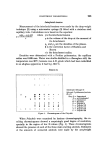
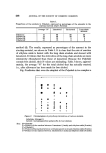
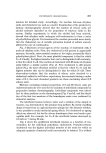
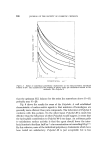
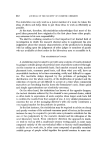
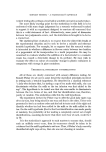
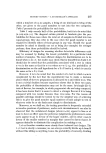
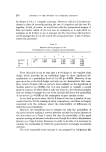
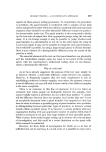
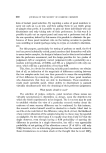
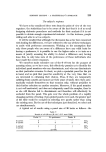
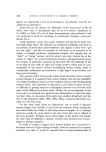
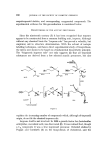
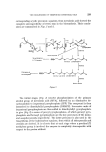
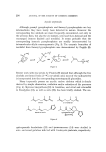
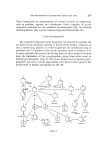
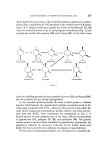
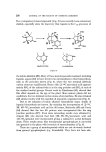
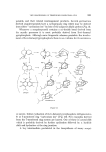
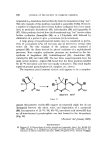
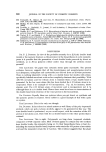
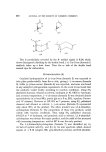
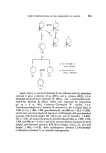
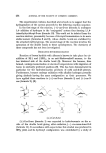
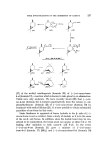
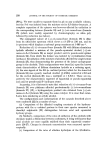
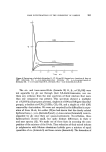
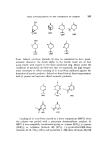
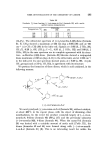
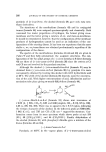
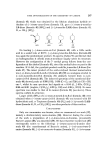
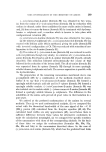
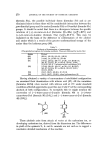
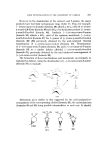
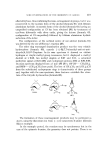
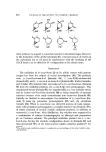
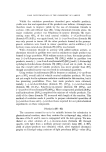
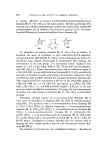
234 JOURNAL OF THE SOCIETY OF COSMETIC CHEMISTS A cyclic terpenoids Although geranyl pyrophosphate and farnesyl pyrophosphate are key intermediates they have rarely been detected in nature. However the corresponding free alcohols are more frequently encountered, not only in the all trans form, but also the cis isomers, nerol and 2-cis-farnesol and the rearranged isomers linalool and nerolidol. It seems probable that the corresponding isomcric pyrophosphates are readily interconverted by intramolecular allylic rearrangements (Fig. $). The enzymic formation of nerolidol from farnesyl pyrophosphate was demonstrated by Popj?tk (8). Figure 3 Recent work with rose petals by Francis (9) showed that although the free alcohols are formed from [2-14Cl mevalonic acid, most of the radioactivity is incorporated into the corresponding monoterpenoid glucosides. Many terpenoids possess an acyclic carbon skeleton which is clearly derived by simple elimination, oxidation and/or reduction of the precursor (Fig. 4). Myrcene biosynthesis (10) in Santolina, and citral and citronellal in Eucalyptus (11), as well as ants (12), has been briefly studied. The ses- •o citral dendrolasin Figure ••V• o citronellal quiterpenoids dendrolasin (13) and ipomeamarone (14) were studied in ants. and sweet potatoes infected with Ceratocystis fimbriata, respectively.

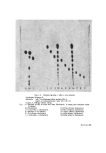
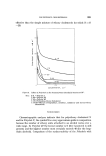
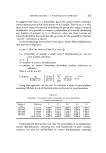
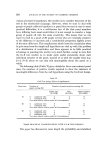
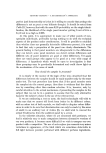
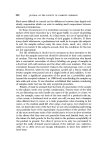
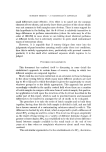
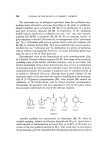
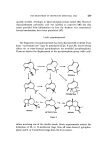
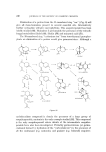
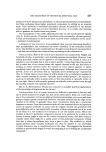
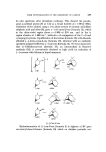
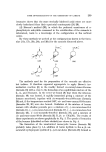
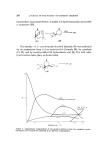
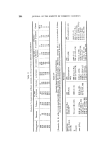
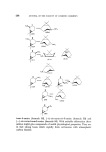
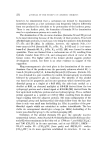
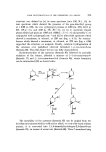
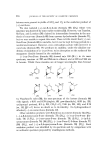
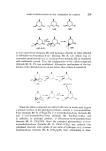
THE BIOGENESIS OF TERPENOID ESSENTIAL OILS 235 These compounds are representative of several essential oil components such as perillene, ngaione and elsholtzione. Other examples of acyclic terpenoids examined are the antibiotic mycelianamide (15), the alkaloid thiobinupharidin (16), and the bismonoterpenoid foliamenthin (17). Cyclic monoterpenoids The terpenoid compounds most frequently encountered in essential oils are based on the menthane skeleton or derived from further cyclisation of such a system (e.g. pinene). In order to generate the cyclohexane ring of menthane the C-1 position of the acyclic precursor must be joined to C-6. It seems probable that part of the driving force for this reaction is derived from the elimination of the pyrophosphate group from either neryl or linaloyl pyrophosphate (Fig. 5). (The trans double bond of geranyl pyro- phosphate prevents C-1 from approaching C-6.) Recent work supports the involvement of linaloyl pyrophosphate (18, 19). borncol Figure 5
Purchased for the exclusive use of nofirst nolast (unknown)
From: SCC Media Library & Resource Center (library.scconline.org)