252 JOURNAL OF THE SOCIETY OF COSMETIC CHEMISTS IOO c •.•••.•..•... •: ......... .•'?"..

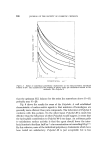
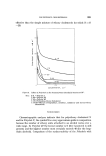
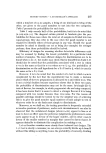
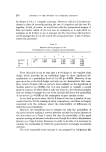
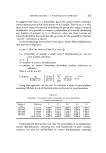
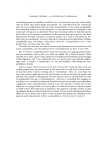
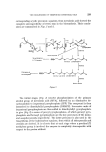
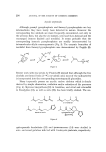
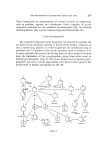
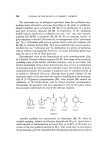
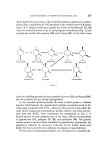
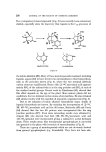
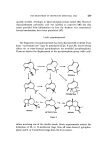
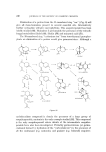
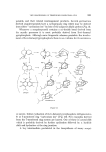
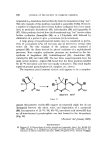
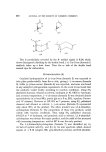
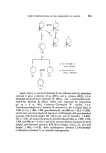
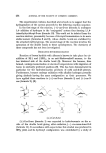
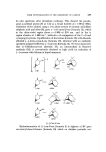
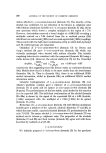
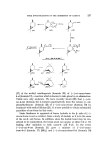
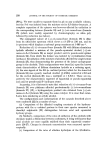
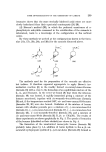
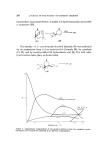
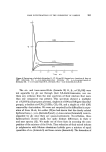
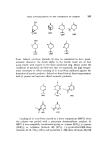
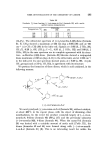
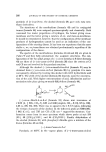
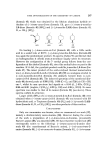
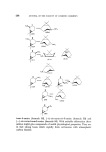
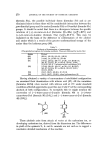
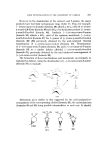
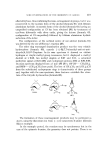
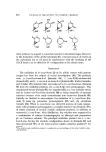
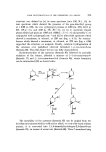
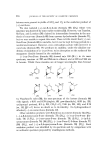
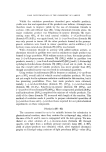
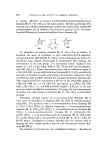
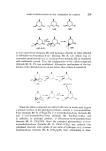
SOME INVESTIGATIONS OF THE CHEMISTRY OF CARENE 253 b io a, Hz at I0.1 MN m -• Pt/C, C•.H50H. b, H2at I01 kN Pd/C, C•HsCO2H Again, when (+)-car-3-ene (formula 2) was refluxed with 5% palladised charcoal it gave a mixture of m- (20%) and p- cymene (30%), 1,1,4- trimethylcyclohept-3-ene (formula 8) (25%), and 1,1,4-trimethylcyclo- hept-4-ene (formula 9) (25%), which were separated by preparative glc on a 6 m, 30% Castorwax-Chromasorb W column. 1,1,4- Trimethylcyclohept-3-ene (formula 8) absorbed in the ir (liquid film) at 1 650 (C--C), 1 383, 1 362 (gem-dimethyls), and 808 cm-1 (R2C--CHR), and its nmr spectrum displayed signals at • 9.08 (singlet, 6H, gem-dimethyl protons), 8.37 (broad singlet, 3H, CH3C=C), and 4.7 (doublet, J 6.SHz, 1H, C=CH). Its isomer (formula 9) absorbed (liquid film) at 1 650, 1 375, 1 $55, and 856 cm- 1 in the ir and in its nmr spectrum it resonated at x9.14 (singlet, gem-dimethyl protons), 8.30 (broad singlet, CH3C=C), and 4.73 (triplet, J 6Hz, C=CH). Both cycloheptenes afforded 1,1,4-trimethyl- cycloheptane (formula 7) on catalytic hydrogenation.
Purchased for the exclusive use of nofirst nolast (unknown)
From: SCC Media Library & Resource Center (library.scconline.org)