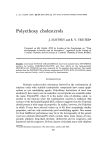
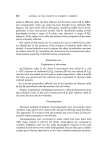
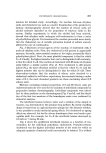
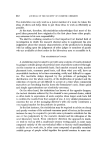
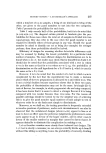
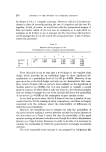
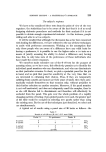
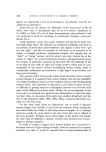
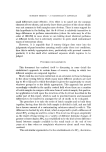
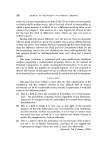
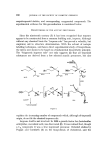
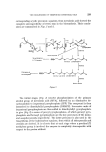
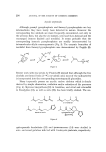
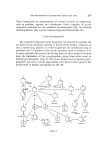
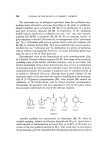
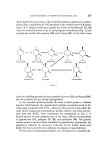
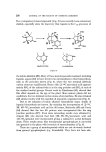
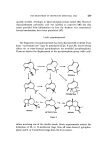
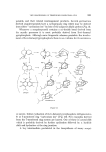
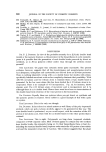
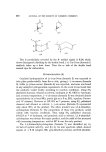
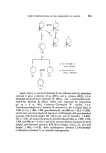
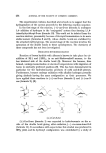
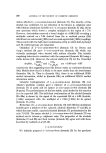
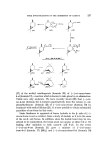
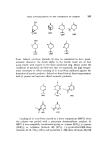
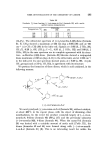
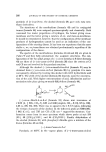
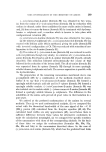
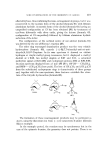
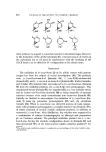
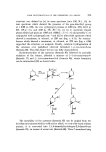
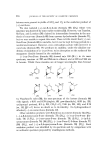
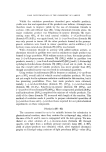
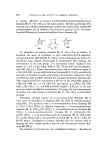
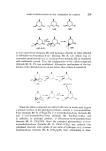
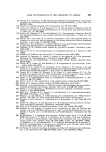
250 JOURNAL OF THE SOCIETY OF COSMETIC CHEMISTS IO 2 4 5 (/) (2) H 2 H ($) (4) This is particularly revealed by the 8- methyl signal (x 9.24) which shows diamagnetic shielding by the double bond. (-+-)-Car-2-ene (formula 1) similarly takes up a boat form. Thus the a- side of the double bond seemed ripe for elaboration. HYDROGENATION (4) Catalytic hydrogenation of (q-)-car-3-ene (formula 2) was expected to take place preferentially from the a- side, giving (--)-cis-carane (formula 5). Little (+)-trans-carane (formula 6) was expected, and none was found in any catalytic hydrogenation experiments. In the event it was found that the products varied widely according to reaction conditions. Using 5% platinised charcoal, ethanol as solvent, hydrogen at 10.1 MN m-2 pressure, and at room temperature, (--)-cis-carane (formula 5) was obtained almost quantitatively in at least 98% purity (glc on a 3 m, 20% squalene-Chromo- sorb W column). However at 101 KN m-2 pressure, using 5% palladised charcoal and ethanol as solvent, (--)-cis-carane (formula 5) represented only about 50% of the product. The other product was 1,1,4-trimethyl- cycloheptane (formula 7). The proportions of these two products varied widely with reaction conditions. Thus using 5% palladised charcoal, 101 KN m-2 of hydrogen, and propionic acid as solvent, 1,1,4-trimethyl- cycloheptane was always the maj or product, and the yield of this increased with increasing temperature, until at 65 ø it was the only product. The 1,1,4-trimethylcycloheptane (formula 7) was identified (a) by its lack of optical activity, and (b) by its nmr spectrum which showed signals at • 9.12 (singlet, 6H, gem-dimethyl protons)and 9.12 (doublet,

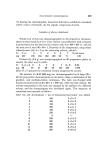
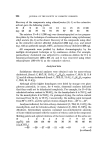
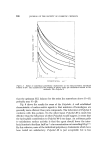
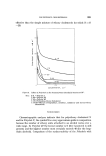
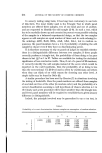
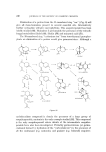
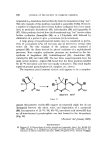
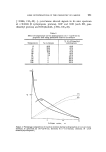
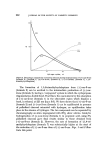
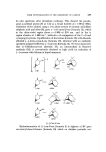
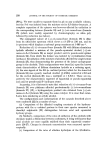
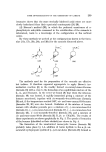
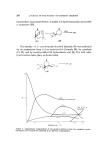
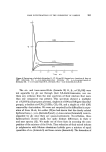
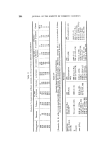
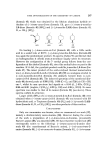
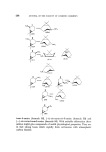
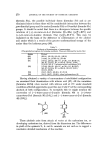
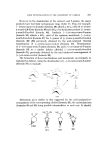
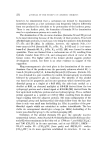
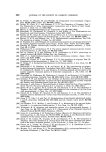
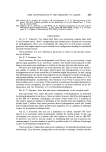
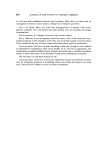
SOME INVESTIGATIONS OF THE CttEMISTRY OF CARENE 251 J 5.5Hz, CH3-10 ). (--)-cis-Carane showed signals in its nrnr spectrum at • 9.2-9.8 (2 cyclopropane protons), 9.07 and 9.02 (each 3H, gem- dimethyl protons) and 9.18 (doublet, J 5Hz, CH 3-10). Table I. Effect of temperature on the hydrogenation of (q-)-car-3-ene in propionic acid using palladised charcoal as catalyst •o 1,1,4-Trimethyl- Temperature •o cis-Carane cycloheptane 0 ø 35.5 64.5 8 20 33 48 61 73 90 106 126 33.0 26.0 18.5 7.0 3.0 0 0 0 0 67.0 74.0 81.5 93.0 97.0 100.0 100.0 100.0 100.0 100 (I) % 5O •0 20 Hydrogen uptake, m[ [_ Figure 1. Percentage composition of reaction mixture during hydrogenation of (+)-car-2-ene (formula 1) [(formula 9.) (q-)-Car-8~ene, (formula 5) (--)-cis-Carane, (formula 7) 1,1,4- trimethylcycloheptane ]
Purchased for the exclusive use of nofirst nolast (unknown)
From: SCC Media Library & Resource Center (library.scconline.org)