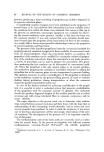
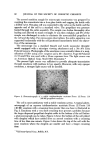
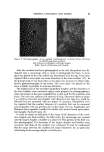
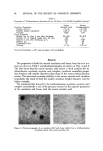
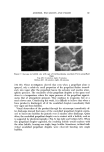
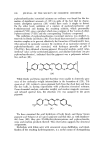
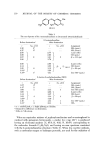
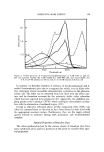
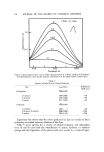
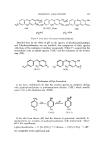
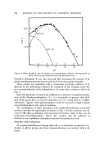
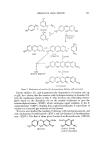
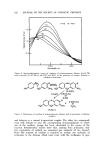
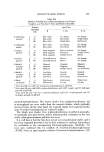
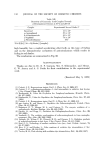
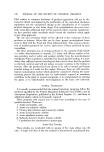
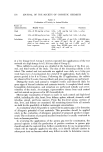
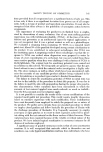
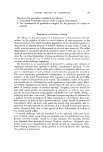
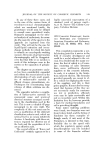
94 JOURNAL OF THE SOCIETY OF COSMETIC CHEMISTS Table I Properties of Triethanolamine Myristate/Freon lg/Freon 114 (40/60) Propellant Systems a Emulsion Properties Droplet size (t•) Stability (phase separation) Viscosity Foam Properties Bubble size (t•) after I min after discharge 20-160 Stability (% of original height after 60 min) 100 Density (1 min after discharge, g/cc 0.45 Stiffness (g) 72 % drainage (1 hr) 0 Wetting 1 hr Excess Excess Myristic Acid Triethano]amine 2--30 2--100 24 hr 1 rain High Low 20--210 0 0.49 20 81 30 sec aAerosol formulation ---- 90% aqueous phase-10% propellant. POgSULTS The properties of both the aerosol emulsions and foams from the two sys- tems are given in Table I and photomicrographs are shown in Figs. 4 and 5. The data show that the excess myristic acid system (which contains the tri- ethanolamine myristate-myristic acid complex) produces emulsified propel- lant droplets with smaller diameters than those in the excess triethanolamine system. The increased creaming stability in the excess myristic acid emulsion is probably the resttit of both the smaller emulsion droplet diameter and the higher viscosity. The interfacial film formed by the triethanolamine myristate-myristic acid complex undoubtedly is one of the primary reasons for the superior properties of the emulsions and foams with the excess myristic acid. Figure 4. Photomicrographs of an emulsion (left) and foam (right) from a triethanolamine mryistate system with excess myristic acid

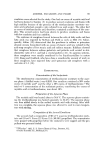
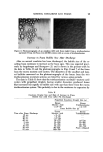
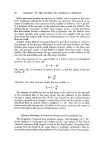
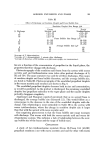
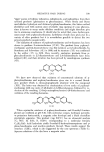
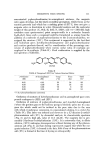
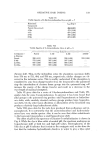
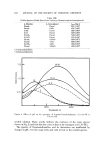
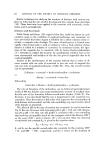
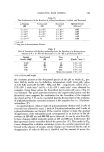
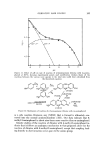
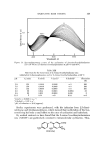
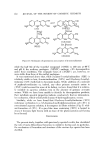
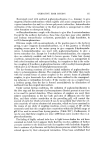
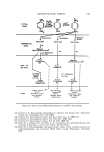
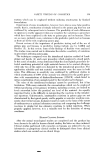
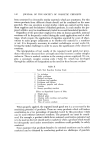
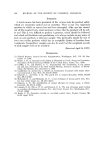
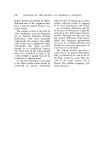
AEROSOL EMULSIONS AND FOAMS 95 Figure 5. Photomicrographs of an emulsion (left) and foam (right) from a triethanolamine myristate/Freon 12/Freon 114 (40/60) system with an excess of triethanolamine Increase in Foam Bubble Size After Discharge After an aerosol emulsion has been discharged, the bubble size of the re- suiting foam continues to increase as the foam ages. This was reported previ- ously by Augsburger and Shangraw (2) and is shown in the present work by the data in Table II and the photomicrographs in Figs. 6 and 7 of the foam from the excess myristic acid system. The diameters of the smallest and lm-g- est bubbles measured on the photomicrographs of the foams from the two triethanolamine myfistate systems are listed for various aging periods. The data in Table II show that the triethanolamine myristate-myristic acid system with propellant droplets having smaller diameters produced foams that increased less rapidly in bubble size with age than those from the exccss triethanolamine system. This probably is due to the resistance to expansion by Table II Emulsion Droplet Size and Rate of Increase in Foam Bubble Size with Time (after 5% Discharge) Propellant Emulsion Droplet Size (/•) Excess Excess Myristic Acid Triethanolamine 2.0-30 2--100 Foam Bubble Size Excess Excess Time after Foara Discharge Myristic Acid Triethanolamine 10 sec 2--30 ... 20 sec 2--60 ... 40 sec 2--120 60 see 10--170 20' '•10 2 rain 30--200 40--200 5 rain 50--350 60--459 10 rain 50--440 120--700 30 min 90--450 Foam collapsed 60 rain 240-700
Purchased for the exclusive use of nofirst nolast (unknown)
From: SCC Media Library & Resource Center (library.scconline.org)