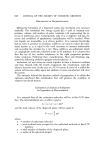
622 JOURNAL OF THE SOCIETY OF COSMETIC CHEMISTS The early aerosol antiperspirants introduced were the so-called powder-in- oil type formulations containing 3-4% of active ingredients suspended in an oil base. There were also solution-type formulations, some in glass aerosols because of corrosion problems. In 1971, a cosmetically different antiperspirant product was developed, an "aerosol powder" another version, a so-called "hybrid" appeared in the marketplace one year later. The hybrid has a somewhat higher active level than the regular powder-in-oil and powder antiperspirants and lies between these products in cosmetic elegance. The most important performance attributes of an antiperspirant are its an- hydrotic and deodorant effects. In addition, the formulation must possess aesthetic and cosmetic qualities. One frequently observed drawback of these products has been their tendency to cause fabric staining. It is the purpose of this paper to discuss recent trends in the formulation of aerosol antiperspi- rants and some of the testing methods used to evaluate performance charac- teristics. AEROSOL ANTIPERSPIRANT FORMULATIONS Most aerosol antiperspirant formulations contain the following compo- nents: the active ingredients, usually aluminum chlorhydroxide or similar salts, a liquid system which serves either to solubilize or to suspend the active ingredient or is part of a water-in-oil emulsion, miscellaneous additives such as talc, perfume, suspending agents, and propellants. Suspension systems rep- resent the most commercially important examples. Some products based on solution systems have been marketed, but have not been too successful. While providing somewhat greater antiperspirant efficacy, solutions are cos- metically less pleasing. Many combinations of raw materials are available for the formulation of aerosol antiperspirants and their selection must be carefully considered, since the surface chemistry of the system can affect sedimentation and dispersion characteristics of the formula. In addition, formulations must provide maxi- mum antiperspirant and deodorant effectiveness, maximum safety, cosmetic elegance, and minimum staining. Active Ingredients Aluminum chloride has been recognized for many years as an excellent antiperspirant. However, because of its low pH, it will cause fabric damage and skin irritation (6). This had led to the development of various basic aluminum compounds which are less acidic than the parent product. The most frequently used of these derivatives is basic aluminum chlorhydroxide. Other metal salts that have been formulated into antiperspirants are shown in Table I. In addition to these compounds which are considered to interfere

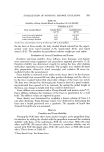
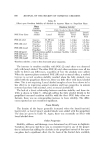
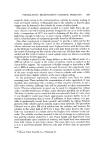
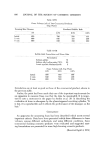
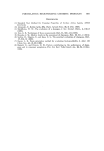
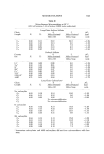
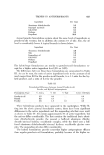
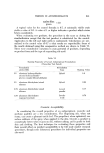
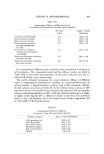
TRENDS IN ANTIPERSPIRANTS 623 Table I Active Ingredients for Antiperspirant Formulations Aluminum chlorhydrate Aluminum chloride Basic aluminum bromide Basic aluminum hydroxychloride-zirconyl hydroxy oxyehloride Aluminum hydroxychloride-zirconyl hydroxy oxychloride-glycine complex Basic aluminum nitrate Basic aluminum bromide-zirconyl hydroxy oxybromide Magnesium aluminum zirconlure gluconate chloride Basic aluminum iodide with the sweat duct (7), other materials that have been reported include formaldehyde (8) and compounds such as anticholinergic scopolamine deriva- tives (9). Amongst the metal salts which have gained some commercial importance are basic aluminum bromide (BAB) and certain zirconium complexes. Zir- conlure oxychloride (ZrOCI2 and zirconyl hydroxychlotide [ZrO (OH) C1] have good antiperspirant activity, but the aqueous pH of these com- pounds is very low. The use of zirconium compounds as antiperspirant actives has reqnired raising the pH without causing precipitation. Commercially, this has been achieved by buffering the zirconium salts with basic aluminum salts (10-14). While this can cause considerable gelling (14), it was found that the addition of certain amino acids such as glycine (11, 14) can control the gelation problem. There are also patents coveting aluminum zirconium systems using different buffering systems in antiperspirant formulations (15, 16). A number of experimental salts have also been investigated, including basic aluminum nitrates, iodides, and mixed metal systems. Suspending Oils Some of the cosmetic oils used in powder-in-oil formulations are listed in Table II. They include isopropyl and propy]ene glycol esters of various long- Table II Cosmetic Oils Used in Aerosol Powder-in-oil Antiperspirants Isopropyl myristate Isopropyl palmirate Mixed isopropyl esters of various fatty acids Propy]ene glycol dicaprate Propylene glycol 400 mono]aurate Propylene glycol dipelargonate Triethyl citrate Dibutyl phthalate Organosilicones
Purchased for the exclusive use of nofirst nolast (unknown)
From: SCC Media Library & Resource Center (library.scconline.org)