40 JOURNAL OF THE SOCIETY OF COSMETIC CHEMISTS I I I I I I I I I I I I I ½'•'7V •o o • /' t' ,// •t o •- ,cg • • o -- 6 9 o T , ? i q'o'7 •

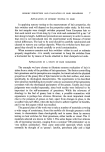
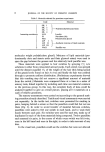
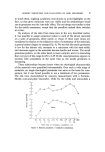
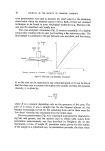
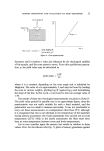
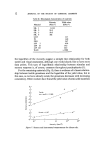
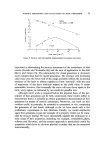
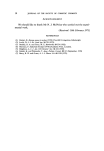
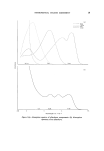
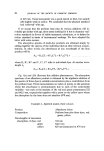
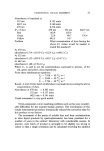
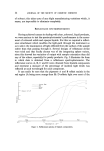
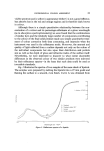
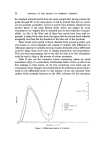
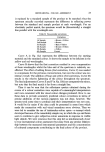
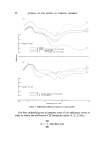
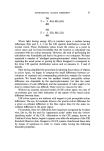
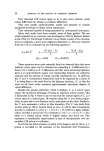
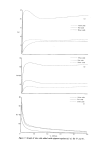
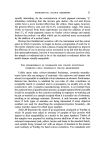
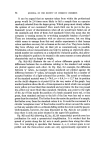
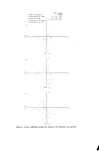
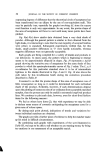
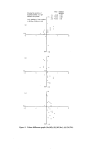
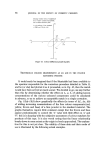
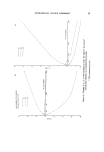
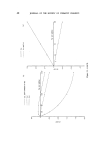
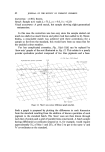
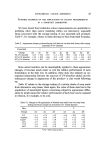
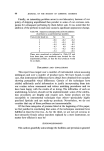
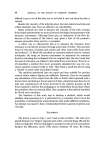
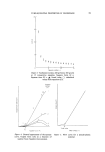
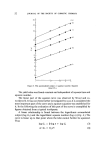
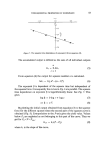
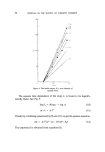
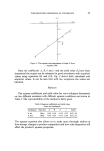
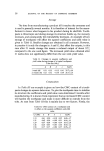
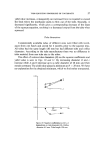
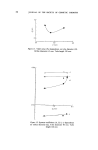
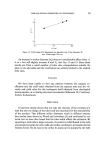
INSTRUMENTAL COLOUR ASSESSMENT 41 Product Composition L, a, b values: sample standard Problem Example 3--Tristimulus match, 4 colours Face powder Base + red, yellow, brown oxides L = 74.8 a = + 9.2 b -- + 12.8 L=73.6 a= +9.3 b= + 13.1 What quantities of extended oxides must be added to achieve a match to standard? The required changes are: AL=--1.2, Aa= +0.1, Ab= +0.3. From Fig. 11(b) the required increase in 'b' can be obtained from a 5}/0 addition of yellow. This will have little effect on 'a', but will decrease 'L' by 0.2. The further decrease of 1.0 required for 'L' is shown in Fig. 11(c) to be achieved by the addition of 85•o brown with little change in 'a' or 'b'. Calculated correction: + 5.0•o yellow, +85•o brown. Result: Sample now reads L=73.2, a= +9.3, b= + 13.2. Visual assessment: A good match. Example 4•Tristimulus match, 4 colours (Product, composition and standard as in Example 3) L, a, b values Sample L = 72.9 a = + 9.4 b = + 14.2 Problem What quantities of extended oxides must be added to achieve a match to standard 9. The required changes are: AL= +0.7, Aa= +0.1, Ab=--1.1. Here, the required correction for 'b' is larger than we have data to deal with. It will require a shot onto the green before we can sink a putt. 1st Correction: + 40}/0 base. (This, extrapolating the data from Fig. 11(d), should bring us onto the graph.) Result: Sample now reads L=75.6, a= + 8.1, b= + 12.8. From Fig. 11(a) the change in 'a' can be obtained from a 25•o addition of red, which will alter L by - 2.2. 2nd Correction: + 25• red. Result: Sample now reads L = 74.7, a = + 9.5, b = + 12.9. The new L value is unexpected, but from Fig. 11(c) both the required changes in 'L' (-1.1) and 'a' (-0.2) should arise from the addition of 150}/o brown.
Purchased for the exclusive use of nofirst nolast (unknown)
From: SCC Media Library & Resource Center (library.scconline.org)