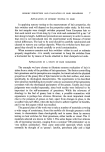
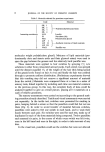
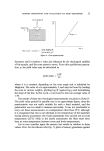
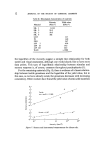
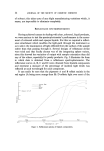
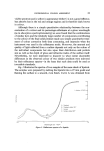
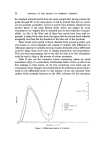
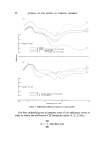
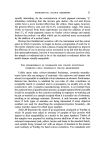
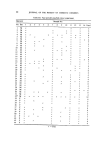
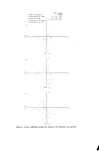
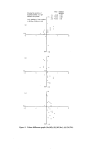
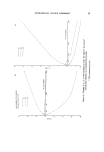
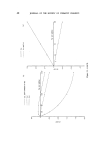
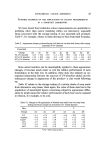
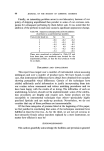
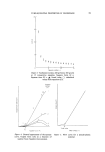
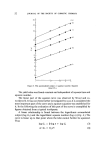
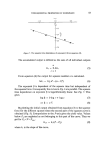
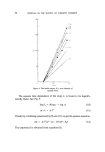
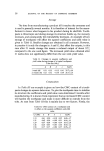
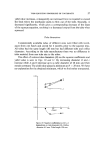
58 JOURNAL OF THE SOCIETY OF COSMETIC CHEMISTS 15- 10 • I i I 20 30 40 Z2 (mm) Figure 11. Yield value (Po) dependence on tube diameter (D). Orifice diameter 6.5 mm. Tube length 120 mm. 0.50 - 0-00 o ¸ M •4 _& &- c I i i 7.0 8.O •(mm) Figure 12. Squeeze coefficients (A, B, b, c) dependence on orifice diameter (do). Tube diameter 40 mm. Tube length 120 mm.

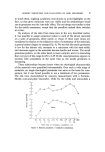
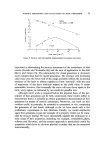
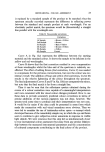
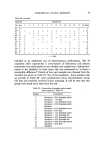
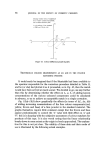
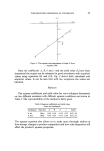
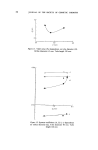
TUBE-SQUEEZING PROPERTIES OF TOOTHPASTE 59 t I • I 6.0 7'0 8.O #0(ram) Figure 13. Yield value (P0) dependence on diameter (do). Tube diameter 40 mm. Tube length 120 ram. An increase in orifice diameter (do) does not considerably affect either A, b or c, but will slightly increase B and P0. See F[gs 12 and 13. Since these results are from a small number of tube sizes extrapolations outside the plots is not advisable and the conclusions are strictly limited to the studied tube sizes. Viscosity We have been unable to find any relation between the squeeze co- efficients and the yield value obtained from the squeeze tests and the vis- cosity and yield value for the toothpaste itself obtained from rheological measurements on a rotating structure viscosimeter (Rheomat 30, Contrayes, Zfirich, Switzerland). DISCUSSION It has been clearly shown that not only the viscosity of the contents of a tube but also the design of the tube itself are important for the extrudability of the product. That different orifice diameters result in different outputs have earlier been shown by Wood and coworkers (5) and confirmed by our work, but we have also found that the tube width affects the extrusion. By squeezing a wide tube a larger amount of content is redistributed in the tube and pressed towards the tube walls and orifice, resulting in increased internal friction forces. On its way to the orifice its main part is stopped by the tube
Purchased for the exclusive use of nofirst nolast (unknown)
From: SCC Media Library & Resource Center (library.scconline.org)