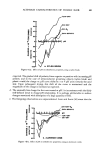
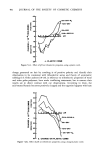
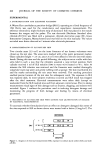
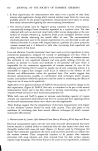
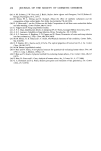
448 JOURNAL OF THE SOCIETY OF COSMETIC CHEMISTS .. ¾ Figure IO. Scanning electron micrographs of (a) intact and of (b) damaged hair surface. detergent), Heinz and van der Velder-van der Ende (20) found that the proportion of the various soil components that were removed differed greatly (Figure 11). Our own investigations have produced similar results with hair (Table IV). Not only did the HPLC patterns of sebum extracted with solvents from hair samples after shampooing depend on the brand of shampoo used, but in certain cases even new material deposits could be detected that were not contained in the original soil. These were, no doubt, left behind from among the constituents of the shampoo, (dyes, perfume components, etc.) (21). Due to the recent work of Chan (22) who investigated the solublization kinetics of fatty acids by means of detergent solutions, the removal mechanism of semi-solid fatty materials has become better understood. It appears that a scheme similar to that derived for heterogeneous reactions by Langmuir and Hinshelwood, represents well

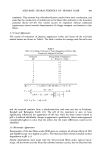
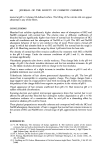
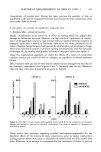
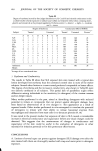
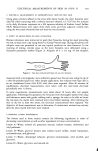
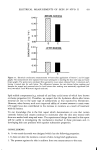
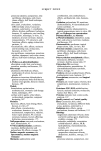
CLEANING OF HAIR 449 Table IV Shampoo Efficacy for the Naturally Soiled Hair • Total Sebum Sample 2 Squalene Octadecane Cholesterol Trilaurin Removal A 1.333 0.203 0.533 0.653 40% 100% 44% 100% 59% 53% 100% 63% 100% 69% B 0.273 0.10 • 0.103 0.863 17% 100% 60% 100% 80% 33% 100% 40% 100% 82% C 0.573 03 0.243 03 64% -- 50% -- 59% 76% -- 100% -- 83% x% denotes percentages removed by shampoos under standardized washing conditions in duplicate samples. 2Samples A (shampoo//1) and B (shampoo//2), unwashed hair samples collected in beauty shops, i.e., "natural soil." Sample C (shampoo//2), a different unwashed hair sample, also collected in a beauty shop. •Amounts present before shampooing in mg/g hair units. the experimental findings (Figure 12). Accordingly, five rate processes are important: 1) the transport of the surfactants to the surface, 2) the adsorption of micelies or, possibly, the formation of hemimicelles on the fatty soil surface, 3) the reaction (solubilization) of the fatty soil by the micelies and the formation of mixed oil-detergent micelies, 4) the desorption of the mixed micelies from the surface and 5) the transport of the oil laden micelies from the surface. (Process 6 in the Figure 11 signifies that dynamic equilibrium exists between micelies containing oil and those which are empty.) According to Chan, steps 4 and 5 are the rate determining steps in concentrated soap solutions. In dilute detergent solution however, step 3 becomes the Compound 0 40 80 120 80 120 160 200 ' s6,. • Free fatty acids Hydrocarbons Squalenes Wax esters Cholesteryl esters Triglycerides Diglycerides Fatty alcohols Cholesterol Monoglycerides Urea Amino acids Mixture of low molecular weight acid compounds Lactic acid ! I Women's garments mg removed 160 0 40 306 • 21/, '- 332 .1 III 296: ' ' 286 ': Men's T shirts 219 : ] ß after washing FI before washing Figure 11. Co•nposition of oily soil recovered f¾om various garments before and after washing. Organic components of sebum in mg/100 g fabric. (Reproduced with permission from ref. 20).
Purchased for the exclusive use of nofirst nolast (unknown)
From: SCC Media Library & Resource Center (library.scconline.org)