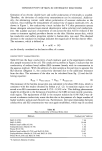
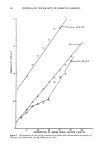
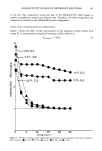
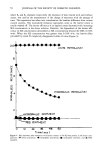
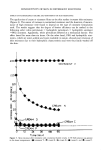
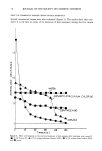
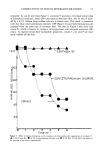
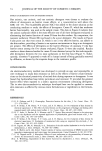
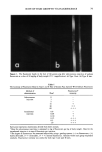
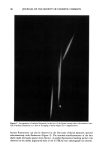
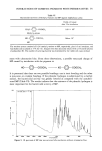
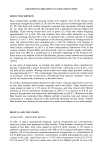
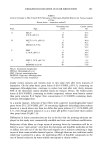
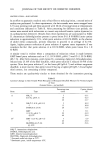
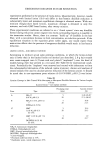
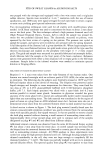
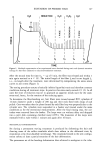
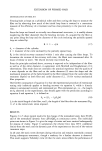
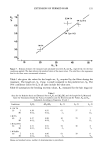
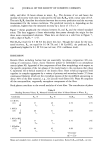
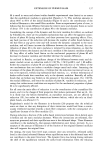
RATE OF HAIR GROWTH VIA FLUORESCENCE 79 Cl b Figure 1. The fluorescent bands in the hair of the guinea pig after subcutaneous injection of sodium fluorescein at a dose of 30 mg/kg of body weight (25 x magnification). (a) Type I hair. (b) Type II hair. Table I The Intensity of Fluorescent Band in Type I and II Hair of Guinea Pigs Injected With Sodium Fluorescein Method of Fluorescence b administration Dose a intensity Subcutaneous 0 - injection 3 - 5 - 15 30 + + 60 ++ + Intradermal 0.0 - injection 0.05 + 0.10 + 0.25 + + + 0.5 +++ 1.0 +++ Each point represents observations derived from three animals. a Dose for subcutaneous injections is expressed in mg of fluorescein per kg of body weight. Dose for the intradermal injection is in mg of fluorescein per injection. b The degree of fluorescence was measured subjectively using a grading system: (-) no fluorescence, (+) barely detectable, (+ + ) detectable, (+ + + ) intense fluorescence. Animals within each group responded similarly. Fluorescence intensity was similar for both type I and type II hairs

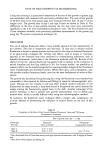
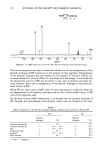
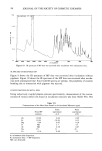
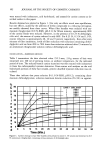
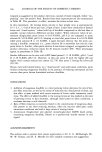
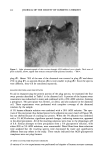
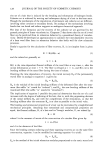
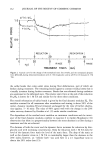
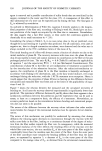
80 JOURNAL OF THE SOCIETY OF COSMETIC CHEMISTS Figure 2. Incorporation of sodium fluorescein in the hair of the Syrian hamster after subcutaneous injec- tion of sodium fluorescein at a dose of 30 mg/kg of body weight (25 x magnification). Intense fluorescence can also be observed in the thin hairs of Syrian hamsters injected subcutaneously with fluorescein (Figure 2). The minimal autofluorescence of the hair shafts made the bands appear more distinct. A similar fluorescence banding pattern was observed in the darkly pigmented hairs of the C57BL/6J mice (photograph not shown).
Purchased for the exclusive use of nofirst nolast (unknown)
From: SCC Media Library & Resource Center (library.scconline.org)