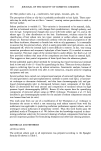
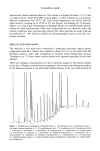
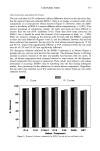
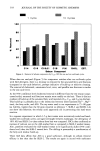
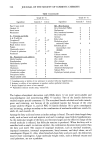
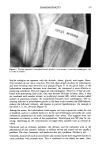
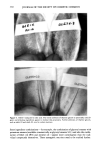
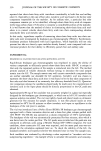
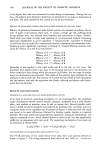
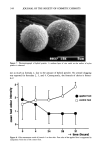
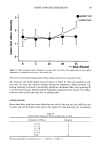
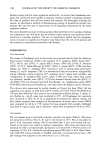
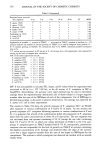
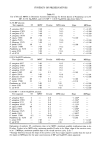
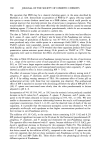
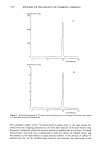
370 JOURNAL OF THE SOCIETY OF COSMETIC CHEMISTS RADIOACTIVITY (13q) '7500 5000 2500 RADIOACTIVITY (13q) 25, 20 15 10 5 o • 1 {0 2'0 3'0 TIME (MINUTES) 1 o T, Mt::' (MINUTES) 14 Figure 2. Radiochromatograms of C-Azone-derived radioactivity in the dosage (A) and the tape extracts at 1 hour after removal of the dose (B). The metabolic profile of the •4C-Azone-derived radioactivity in the tape extract ob- tained from the stripping procedure at one hour after removal of the dose showed only the parent compound, except for a minor amount of radioactivity in the front. Tritiated triamcinolone acetonide was co-administered with the carbon-14-1abeled Azone and was present in the tape extracts in large amounts relative to the amount of carbon-14 radioactivity (5). As the tritiated drug eluted at two minutes, the small peak at the

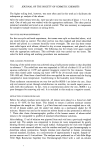
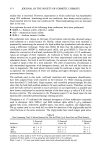
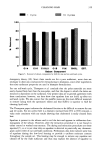
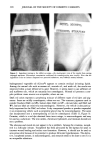
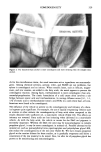
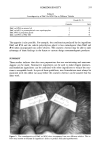
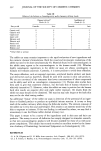
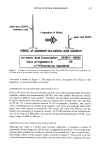
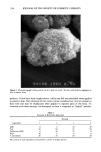
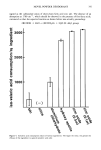
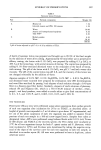
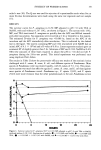
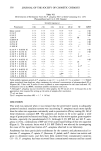
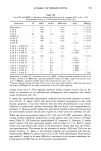
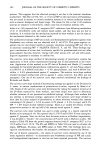
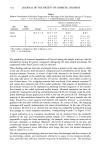
SKIN STRIPPING TO DETERMINE METABOLISM 371 RADIOACTIVITY (Bq) RA DIDACTIVITY (Bq) 25 RADIOACTIVITY (Bq) 300 0 TIME (MINUTES) RADIOACTIVITY (8q) 3 1 2 5 2'0 TIME (MINUTES) 1 30 O 10 20 30 TIME (MINUTES) TIME (MINUTES) Figure 3. Radiochromatograms of 14C-Cyoctol-derived radioactivity in the dosage (A) and the tape ex- tracts at 1 (B), 23 (C), and 45 hours (D) after removal of the dose. front most likely originated from the tritiated drug. It should be noted in this regard that even though liquid scintillation counters have programs to correct for spillovers when •4C and 3H isotopes are counted simultaneously, such programs may not be able to adequately correct if the amounts of •4C isotopes present are rather small in compar- ison to the amounts of 3H isotopes. Radiochromatograms at 20 and 44 hours showed similar profiles, yet at much lower quantities, due to the rapid disappearance of Azone from the stratum corneum (5). Levels of radioactivity were therefore close to the base- line, and this makes the assessment of the percentual contribution of individual peaks meaningless. Nevertheless, all profiles were basically the same at the three collection times, and it can therefore be concluded that only unchanged Azone is present in the stratum corneum. With Cyoctol, the situation appears to be quite different. At one hour after removal of the dose, some metabolites can be detected in small amounts, but the majority of the radioactivity is still present as the parent compound (see Figures 3A and 3B). Table I shows that, as time goes by, the relative contribution of Cyoctol (peak 4), decreases, whereas that of the metabolites increases. At 45 hours after removal of the dose, only about 35 % of the radioactivity in the stratum corneum is present as unchanged Cyoctol.
Purchased for the exclusive use of nofirst nolast (unknown)
From: SCC Media Library & Resource Center (library.scconline.org)