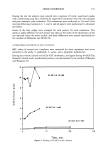
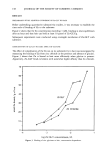
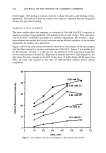
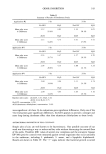
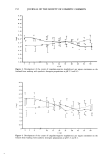
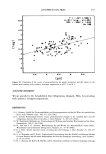
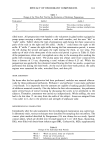
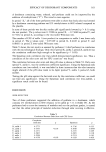
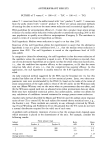
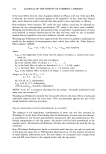
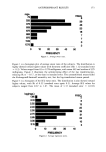
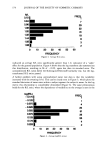
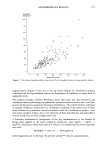
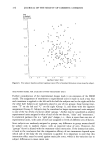
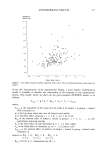
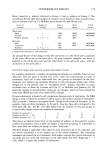
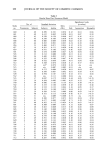
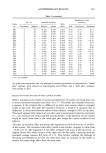
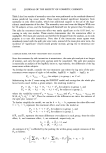
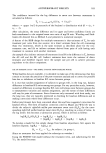
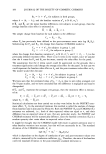
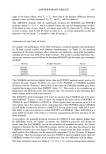
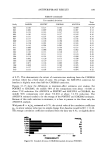
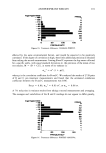
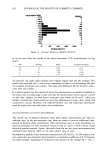
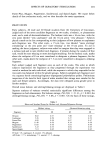
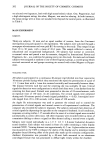
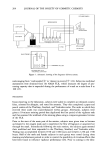
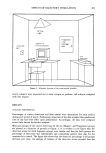
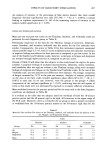
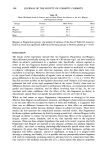
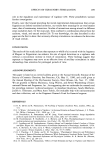
140 JOURNAL OF THE SOCIETY OF COSMETIC CHEMISTS Interestingly, the binding to stratum corneum is about the same as the binding to hair apparently, the keratins of both are similar with respect to chemical features recognized during zinc glycinate binding. INHIBITORY ACTIVITY OF RESIDUES The above studies show that exposure to a solution of 100 mM Zn-GLY is required to produce a residue of approximately 100 }xmol/g of Zn on hair or skin. This concentra- tion of Zn-GLY is probably attainable in a cosmetic preparation. We wanted to deter- mine whether the residue left by such solutions was an effective inhibitor of the enzymes responsible for axillary odor generation. Figure 4 shows the time courses for beta-G reactions in the presence of the hair samples that had been exposed to various concentrations of Zn-GLY. Figure 5 is a similar plot for AS reactions. In both, it is obvious that the inhibition of the reactions is dependent on the concentration of bound Zn. Replotted as enzyme activity vs [Zn] (Figure 6), the data show that hair exposed to Zn-GLY at less than 15 mM inhibits AS by more than 90%, and that hair exposed to less than 10 mM Zn-GLY inhibits beta-G almost completely. 50 4O 30 20 10 0.00 mM Zn III mM Zn' 13.3 rnM Zn ß I ' I ' I ' I ' I ' I 0 10 20 30 40 50 60 time, min. Figure 5. Aryl sulfatase reactions in the presence of hair treated with Zn-GLY. 7O

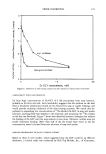
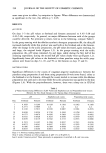
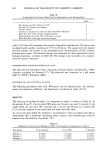
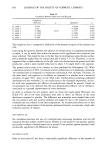
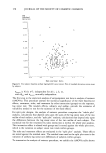
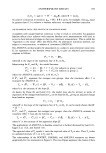
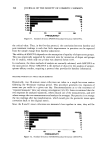
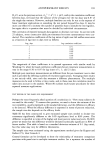
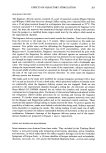
ODOR INHIBITION 141 • 0 0 beta-glucuronidase I lO 2o Zn GLY concentration, mM. Figure 6. Inhibition of odor-causing enzymes by hair exposed to various levels of Zn-GLY. COMPATIBILITY WITH SOAP PRODUCTS Zn from high concentrations of Zn-GLY (0.5 M) precipitates from soap solution, probably as Zn fatty acid salt. Such insolubility suggests that Zn residues on the skin (from a deodorant preparation) would not be removed by soap or syndet washing, and would provide enduring inhibition of the odor-causing enzymes. We tested this hy- ß 65 pothesis by suspending low concentrations of Zn-labeled Zn-GLY in soap and syndet ß 65 ß solutions, exposing fresh hair samples to the solutions, and measuring the Zn residue on the hair (see Methods). Figure 7 shows that dissolved synthetic detergent bar reduces the binding of Zn-GLY and that soap reduces it even more. However, neither soap nor syndet eliminates binding. More than half of the Zn bound from water at any Zn concentration tested is bound from test solutions of soap and syndet. AXILLARY DEODORANCY OF Zn-GLY: CLINICAL STUDIES Based on these in vitro studies, which suggested that Zn-GLY could be an effective deodorant, a clinical study was conducted by Hill Top Biolabs, Inc., of Cincinnati,
Purchased for the exclusive use of nofirst nolast (unknown)
From: SCC Media Library & Resource Center (library.scconline.org)