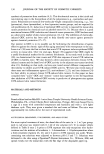
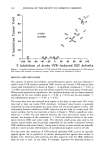
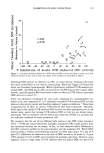
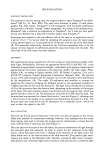
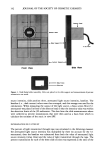
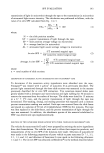
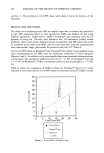
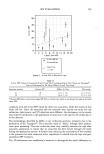
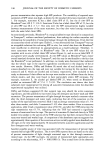
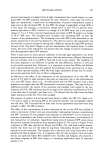
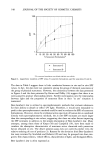
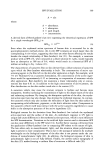
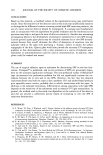
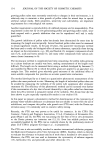
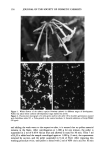
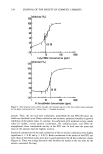
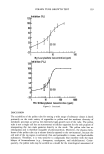
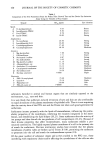
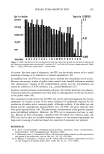
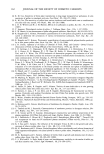
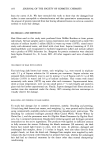
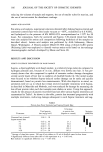
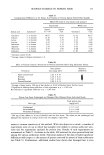
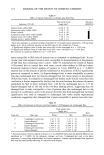
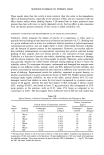
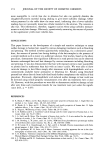
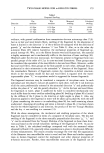
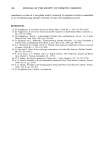
158 JOURNAL OF THE SOCIETY OF COSMETIC CHEMISTS Inhibition ['/,] 120 IO0 8O 6O l,O 2O O• -20 1 120 IO0 80 6O 2Q 0 -20 I I I I IIII ED 50 I I I I I IIIII I I I I IIIII o lOO lOOO Cety!-TMAC Concentrotion [ppm] Inhibition [ø/o1 -- ED 50 I I I IIIII I I I I IIIIi lOO lOOO I I I I Illil lO N-Cocoylbetoin Concentrotion [ppm] Figure 3. Dose response curves of four tensides, each representing one of the four tenside classes examined by the pollen tube growth test. Vertical bars = standard deviations. pounds. Thus, the two non-ionic surfactants, polysorbate-20 and PEG-40-castor oil, which are classified by the Draize method as non-irritants, produced virtually no growth inhibition of the pollen tubes. In contrast, the surfactants with moderate action, amide ether-(2) sulfate, cocoyl protein condensate, Na sulfossuccinate, and PEG-10- nonylphenol, show considerable toxicity in the PTG test. In both tests the quats and most of the anionics had the highest toxicity. Statistical calculations for the rank correlation of the ten anionic surfactants were highly significant (r = 0.85 and p = 0.015). Rank correlations of the results of the PTG test with those of the Draize assay were also in good agreement for all four surfactant classes (Figure 4). There was a large deviation only between the results of the two tests for the anionic unscented Na soap.

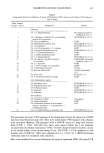
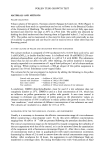
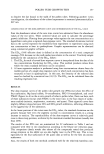
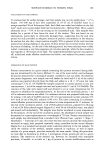
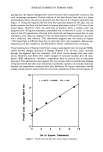
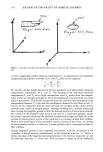
POLLEN TUBE GROWTH TEST 159 Inhibition (ø/o) 120 - lOO 8o 6o 2o o -20 I I i i i ED 50 i i i I i i i i Ii Jl 1 10 100 Mg-LaurylsuLfate Concentration Ippm) Inhibition ['/,] 120 - 100 - 80- 60- 1 10 I ED SO I I I I IIIII I I I I IIIII 100 1000 PEG-10-Nonylphenol Concentration [ppm] Figure 3. Continued. DISCUSSION The suitability of the pollen tube for testing a wide range of substance classes is based primarily on the wide variety of organelles in pollen and the resultant diversity of metabolic processes as well as the extremely high growth rate of the tube. The pollen tube is not a single cell but an autonomous tricellular organism for the sole purpose of transporting the two male gameres directly to the ovule. The pollen tube has no chloroplasts and is therefore incapable of photosynthesis. Moreover, the plasma mem- brane of the pollen tube tip is almost directly exposed to the environment, because the cell wall of the tip region is extremely thin and permeable to water- and lipid-soluble substances. Therefore, it is very sensitive to compounds that interfere with the lipid bilayer of biomembranes (e.g., detergents, emulgators, and solubilisators). Conse- quently, the pollen tube may be suitable as a model for the toxicological assessment of
Purchased for the exclusive use of nofirst nolast (unknown)
From: SCC Media Library & Resource Center (library.scconline.org)