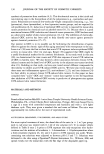
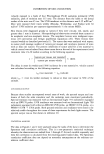
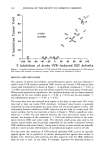
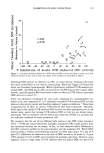
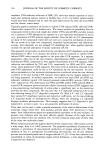
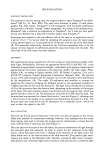
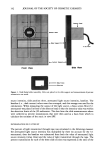
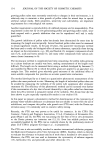
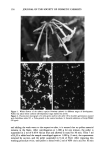
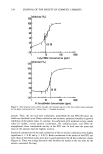
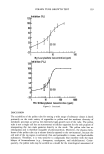
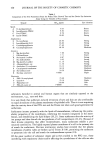
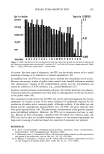
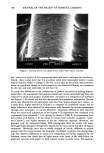
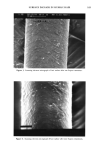
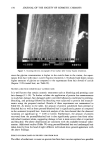
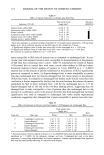
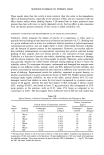
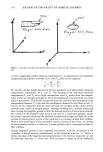
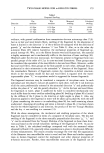
168 JOURNAL OF THE SOCIETY OF COSMETIC CHEMISTS Figure 2. Scanning electron micrograph of hair surface before Suprox treatment. fact, amino acid analysis of the supernatants (described later) confirmed this conclusion. Clearly, these studies show that this procedure yields more meaningful results to assess Suprox-induced oxidative damage to the hair cuticle than do the tensile measurements, where no significant change in tensile properties was observed following six treatments for dry hair and nine treatments for wet hair (4). To study any differences in the composition of protein recovered by shaking Suprox- treated hair, the supernatants from Suprox-treated and control (untreated) hair were also subjected to amino acid analysis. Furthermore, the amino acid composition of untreated and Suprox x 20-treated hair was also determined for comparative information. Review of the data showed that all supernatant solutions from Suprox-treated hair contain, on a molar basis, higher amounts of Cystine/2 as compared to (untreated) control, but no major differences were observed for other amino acids between the various supernatants through nine treatments vs control. However, substantial differences were observed when the amino acid composition of the Suprox x 20 supernatant was compared with supernatant from treatments 1-9 as a group. As shown in Table II, the supernatant from hair treated with Suprox x 20 was found to contain lower amounts of glycine, lysine, and Cystine/2, and higher amounts of leucine, isoleucine, arginine, threonine, and glutamic acid. As mentioned before, SEM photographs show the cuticle still intact (although badly damaged) through nine treatments but total cuticle loss after 20 Suprox treatments. Obviously, once hair is totally stripped of cuticle, diffusion of soluble protein from the cortex becomes the dominant contributor to protein loss during shak- ing. The observed differences in amino acid composition are further supported by the literature survey that shows that all eight amino acids listed in the table follow the predicted variation with respect to their relative cuticle-vs-cortex ratios. For example,

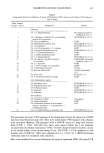
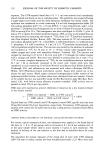
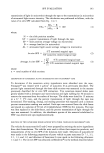
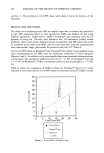
SURFACE DAMAGE IN HUMAN HAIR 169 L- SEI EHT • 15.0 KV WD-- I0 mm MAG • X 1.00 K PHOTO = 1 I•0. Opm I I . Figure 3. Scanning electron micrograph of hair surface after one Suprox treatment Figure 4. Scanning electron micrograph of hair surface after nine Suprox treatments.
Purchased for the exclusive use of nofirst nolast (unknown)
From: SCC Media Library & Resource Center (library.scconline.org)