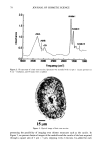
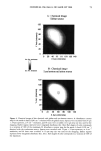
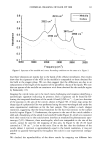
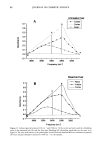
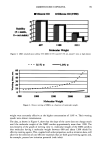
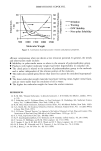
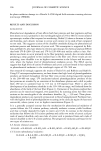
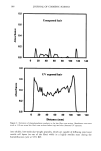
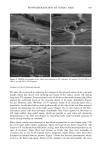
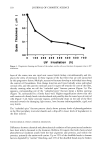
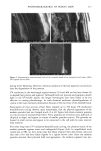
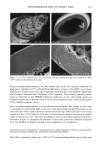
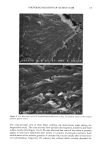
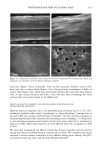
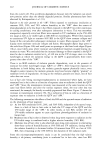
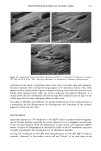
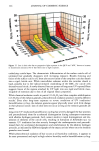
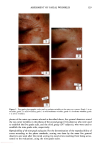
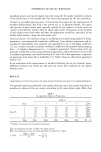
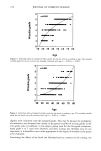
PHOTODEGRADATION OF HUMAN HAIR 113 Figure 7. a-d: The "cathedral spire" fracture pattern seen upon extension of hair fibers exposed to 700 h of UV irradiation/humidification cycling. Using microspectrophotometry, we have shown that under the selected conditions of progressive exposure to UV radiation/humidification cycling in the QUV, no or insig- nificant loss of color occurs after short exposure times and that only moderate lightening of the color is observed after 700 hours of UV exposure. The melanin granules remain intact as observed in the FESEM. Chemical oxidation, on the other hand, results in increased lightening of the hair color with increased exposure time, while solubilization of the melanin granules occurs. Since microspectrophotometry is a non-destructive technique, the change in hair color is measured in transmitted light at the very same (previously marked) locations on the very same hair fibers under identical instrumental settings before and after the various exposure times to UV radiation. Increases in transmission intensity are directly propor- tional to loss in hair color. The same technique is used on hair fibers exposed to chemical oxidation. Figure 11 compares the decrease in hair color caused by chemical oxidation with 6% alkaline hydrogen peroxide versus progressive UV irradiation. MANIFESTATION OF ADVANCED UV DEGRADATION OF HAIR PROTEINS (CUTICULA AND MELANIN GRANULES) DURING SUBSEQUENT HYDROGEN PEROXIDE TREATMENT Hair fibers exposed to long-term (700 h) UV irradiation/humidification cycling, and

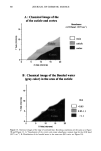
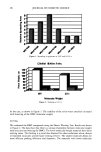
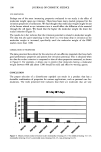
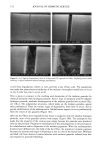
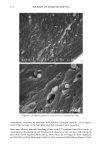
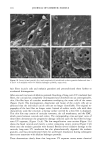
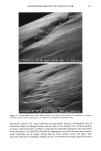
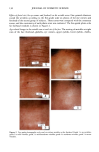
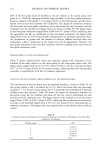
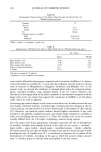
114 JOURNAL OF COSMETIC SCIENCE Figure 8. a,b: Melanin granules in cross sections of untreated hair fibers. subsequently subjected to treatment with alkaline hydrogen peroxide, reveal signifi- cantly more damage to the hair fiber than had originally been suspected. Short-term alkaline peroxide bleaching of long-term UV-irradiated hair fibers results in instantaneous disintegration and dissolution of elements of the cuticular cells, fusing the hair fibers firmly together. After drying, these fibers can no longer be freely separated, and forcefully pulling them apart results in their tearing and fibrillation (Figure 12a,b).
Purchased for the exclusive use of nofirst nolast (unknown)
From: SCC Media Library & Resource Center (library.scconline.org)