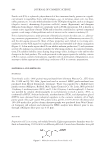
EFFICACY OF F-YOP FACIAL MASKS 507 DPPH for 10 min. Then, the absorbance was measured at 517 nm by a spectrophotom- eter (Spectramax, plus384, Molecular Devices, Sunnyvale, CA). The radical scavenging activity was calculated using the following equation: Radical scavenging activity (%) = {(ODcontrol - ODsample) / ODcontrol} × 100. SOD-like activity. Activity was measured according to the method of Oyanagui (17), with minor modifi cations. Superoxide dismutase (SOD) activity of reactive oxygen species (ROS) was measured using the xanthine-xanthine oxidase (Sigma) system as a source of superoxide and nitroblue tetrazolium (NBT Sigma) as a scavenger. Radical SOD activity was determined by measuring the change in absorbance by oxidation of NBT by SOD. Absorbance was measured at 560 nm by spectrophotometer. Activity (%) was calculated as compared with the control. The method of calculation was the same as that used for the DPPH method. Inhibitory activity of lipoxygenase (LOX). Activity was measured according to the method of Galliard, with minor modifi cations (18). After the test sample was mixed, 1 mM lino- lenic acid (Sigma) and lipoxygenase (Sigma) was added. Then the sample was vortexed at regular speed and time (IMS1000 Eyela, Rikakikai Co., Ltd, Tokyo) and pre-incubated at room temperature for 10 min. After the sample was incubated, 20 w/v% trichloro- acetic acid (TCA Junsei Chemical, Koshigaya, Japan) and 0.6 w/v% thiobarbituric acid (TBA Sigma) were added to the sample. The sample was boiled in water for 10 min and then cooled in ice water for 2–3 min. Then n-butyl alcohol (99% Duksan Pure Chemi- cals Co., Ltd, Ansan, Korea) was added and the sample was centrifuged at 3,500 rpm for Table I Base Ingredients Chemical name Disodium EDTA Glycerin Betain Propylene glycol Triethanolamine Stearic acid Cetyl alcohol Sorbitan stearate Sucrose cocoate Glyceryl stearate PEG-100 stearate Polysorbate 80 Macadamia ternifolia seed oil Cetyl ethylhexanoate Cyclomethicone Caprylic/capric triglyceride Tocopheryl acetate Dimethicone Carbomer Xanthan gum Water

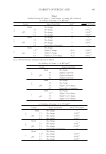
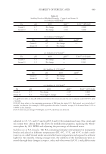
JOURNAL OF COSMETIC SCIENCE 508 5 min after vortexing for 20 sec. The absorbance was measured at 535 nm by spectropho- tometer. Activity (%) was calculated as compared with the control. The calculations were performed as described above. IN VIVO TESTS Sixteen subjects, Korean adults of both sexes, with an average age of 29 years, partici- pated in this study. The moisture, TEWL, melanin content, and elasticity were accessed, respectively. We measured parameters before and after treatment on the forehead, cheek, and chin of all subjects. All tests were performed at 25±0.01°C, RH 40.27±0.08%. The control product consists of the base ingredients without the active ingredients (Table I). The base of F-YOP is the same as the base of the control product. The control product is manufactured by our company and is selling in the open market. Dermal irritation. The dermal irritation potential of each product was determined using the “primary irritant test” with ten different volunteers. The pack was applied for 24 h under occlusive patches (Haye’s test chambers Koms Company, Alphen ann den Rijn, Netherlands) on the inner forearm. The regions were then evaluated for the existence of erythema after treatment (Table II). Water content (moisture) and TEWL value. To assess skin water content, a corneometer (Skin-O-Mat Cosmomed-Beauty-Rent GmbH, Germany) was used to measure electrical capacitance. The amount of water loss was assessed with a TEWL (Dermalab Cortex Tech- nology, Hadsund, Denmark) probe and expressed as g/cm2/hr. The water content was measured for each of fi ve random selected assessment regions of the forehead, cheek, and chin, and average values were calculated. For TEWL analysis, measurements were taken from two regions of the forehead, three regions of the cheek, and two regions of the chin, and average values were calculated. Elasticity values. The elasticity of the skin was measured using an elast probe (Dermalab Cortex Technology), which applies suction to the skin surface. The suction method incor- porates an elevation phase and retraction phase each has properties that contribute to the “feel” of the skin. Elasticity was measured in six random assessment regions of the cheek, and average values were calculated. Table II Incidence of Erythema after F-YOP Treatment Symptoms Indication Identifi cation No change - 8 Weak erythema ± 2 Defi nite erythema or a little quantity of papules + 0 Erythema and swelling or erythema and papule ++ 0 Erythema, swelling and vesicle +++ 0 Vesicle, festering ++++ 0 The percentage reporting primary irritation was 20%, and these cases were “weak erythema.” The other 80% did not have primary dermal irritation.
Purchased for the exclusive use of nofirst nolast (unknown)
From: SCC Media Library & Resource Center (library.scconline.org)