J. Cosmet. Sci., 64, 165–174 (May/June 2013) 165 Effect of seasonal and geographical differences on skin and effect of treatment with an osmoprotectant: Sorbitol NEELAM MUIZZUDDIN, MICHAEL INGRASSIA, KENNETH D. MARENUS, DANIEL H. MAES, and THOMAS MAMMONE, Estee Lauder Companies, Melville, NY. Accepted for publication August 6, 2012. Synopsis Human skin maintains an optimal permeability barrier function in a terrestrial environment that varies considerably in humidity. Cells cultured under hyperosmotic stress accumulate osmolytes including sorbi- tol. Epidermal keratinocytes experience similar high osmolality under dry environmental conditions be- cause of increased transepidermal water loss (TEWL) and concomitant drying of the skin. This study was designed to determine if epidermal keratinocytes, in vitro, could be protected from high osmotic stress, with the exogenous addition of sorbitol. In addition, we evaluated the effect of a formulation containing topical sorbitol on skin barrier and moisturization of subjects living in arid and humid regions in summer as well as in winter. Results from in vitro experiments showed that 50 mM sorbitol protected epidermal keratinocytes from osmotic toxicity induced by sodium chloride. Clinical studies indicated that skin chronically exposed to hot, dry environment appeared to exhibit stronger skin barrier and a lower baseline TEWL. In addition, skin barrier was stronger in summer than in winter. Sorbitol exhibited signifi cant improvement in both barrier repair and moisturization, especially in individuals subjected to arid environ- mental conditions. INTRODUCTION The skin is a large barrier organ that both protects the human body from environmental hazards and maintains optimal permeability barrier function in a terrestrial environment varying considerably in humidity (1). Functional and structural skin adaptation is a dy- namic process, which starts immediately after birth in humans and mammalian skin in general (2). Although low external humidity increases transepidermal water loss (TEWL), prolonged hyperosmotic stress progressively upregulates cutaneous metabolic processes, including increased epidermal lipid and DNA synthesis, that eventually enhance perme- ability barrier function (3). Address all correspondence to Neelam Muizzuddin at nmuizzud@estee.com.

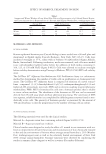
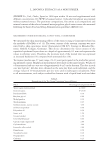
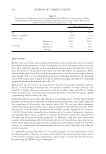
JOURNAL OF COSMETIC SCIENCE 166 With technological progress, people are now mostly exposed to multiple indoor and outdoor pollutants and environment parameters (air-conditioning, humidity) that can interact with each other and affect human health, particularly the skin. Thus, climate and geography can have a major impact on skin integrity (4). Exposure to dry environment has been shown to contribute to the exacerbation of cutaneous disorders such as epidermal hyperplasia, mast cell degranulation, and cytokine secretion (5). There seem to be large differences between “acute” and long-term effects of dry environ- ment on skin. Denda and Sato et al. (6) showed that a short period of exposure to a dry environment (48 h) induces desquamation of the stratum corneum and epidermal prolif- eration. Prolonged exposure of normal murine skin to a dry environment for 1–2 weeks leads to an increase in stratum corneum weight and thickness and a reduction in basal TEWL(3), suggesting that dryness fi rst induces an epidermal proliferative response within 48 h followed by enhancement of the epidermal barrier function to adapt to the dry conditions. Chymotrypsin-like enzyme (stratum corneum chymotryptic enzyme [SCCE]) activity decreases in stratum corneum when the relatively humidity is lower (7,8) suggesting that people living in a hot and dry environment are adapted to upregu- late the amount of enzyme to reach an in situ SCCE activity in the stratum corneum, which ensures a good desquamation in low humidity. In the stratum corneum, water binds to the intracellular hygroscopic and hydrosoluble substances called “natural moisturizing factors” or NMFs. These NMFs contained in the corneocytes are formed during epidermal differentiation by degradation of the histidine- rich protein: fi laggrin (9). NMF may represent up to 10% of the corneocyte mass. They are principally amino acids, carboxylic pyrrolidone acid, lactic acid, urea, sugars like glycerol, and mineral ions. Keratinization plays an important part in the formation of NMF that exhibit strong osmotic potential attracting the water molecules (10). The binding of water to NMF is the static aspect of cutaneous hydration. These processes, as well as the fi nal step of corneodesmolysis that mediates exfoliation, are often disturbed on environmental challenge, resulting in dry, fl aky skin conditions (9). The retention of wa- ter in the stratum corneum is also dependent on intercellular lipids orderly arranged to form a barrier to TEWL. Thus, the water content of the stratum corneum is necessary for its proper maturation and skin desquamation. Increased TEWL impairs enzymatic func- tions required for normal desquamation, resulting in the visible appearance of dry, fl aky skin (11). Cells experiencing long-term hyperosmotic stress accumulate sorbitol, a compatible or- ganic osmolyte, and preferentially accumulate this sugar alcohol over inorganic ions (12,13). The renal medulla uses sorbitol and a host of other organic osmolytes, such as inositol, betaine, glycerophosphocholine, and taurine, to help cope with a routine expo- sure to high extracellular osmolality (14). Sorbitol is synthesized from glucose via the enzyme aldose reductase, which has been reported to increase in renal cells through an osmotically regulated process (15). These cells accumulate organic osmolytes consisting mainly of sorbitol, when cultured in high NaCl medium, and display normal cell volume as well as normal Na and K levels (15). Studies were conducted to observe the effect of 1 month in-use treatment with sorbitol on improvement of barrier functions and moisturization of skin chronically exposed to hot and dry environment of Arizona versus the humid and cooler environment of New York in summer and winter (Table I).
Purchased for the exclusive use of nofirst nolast (unknown)
From: SCC Media Library & Resource Center (library.scconline.org)