J. Cosmet. Sci., 64, 219–226 (May/June 2013) 219 Address all correspondence to Carrie Ruxton at carrie@nutrition-communications.com. A novel topical ingredient derived from seaweed signifi cantly reduces symptoms of acne vulgaris: A general literature review CARRIE H. S. RUXTON and GILL JENKINS, Nutrition Communications, Cupar, United Kingdom (C.H.S.R.), and General Practitioner, Bristol, United Kingdom(GJ). Accepted for publication September 17, 2012. Synopsis Currently, benzoyl peroxide, antibiotics, and retinoids are the mainstay topical treatments for acne vulgaris. However, potential benefi ts may be offered by natural, marine-derived ingredients, such as those derived from brown seaweed (Laminaria digitata). This article will review the available literature on two ingredients “seaweed oligosaccharides,” which are those derived from the polysaccharide membrane of Laminaria digitata, and a novel seaweed oligosaccharide–zinc complex (SOZC) (Phycosaccharide AC, The Mentholatum Company, East Kilbride, UK). Findings from a recent double-blind, placebo-controlled, randomized clinical trial (RCT) will also be reported and likely mechanisms discussed. The fi ndings taken together suggest that SOZC can signifi cantly ameliorate symptoms of acne vulgaris, particularly in terms of reducing sebum production and populations of Propionibacterium acnes. INTRODUCTION Acne vulgaris is a skin condition that affects about 80% of individuals during adoles- cence (1), persisting beyond the age of 25 years in 3% men and 12% women (2). The form of acne can range from simple comedones, papules, and pustules to severe infl amma- tory nodules and cysts on the face, chest, and back, which may cause long-term scarring (2,3). Symptoms can be persistent, often lasting for more than 12 months (4). In addition to being a cosmetic nuisance, acne can lead to emotional and behavioral is- sues, especially in teenage girls and those with severe symptoms (5). One qualitative re- view of 16 studies found that acne had a signifi cant impact on self-esteem and quality of life, often placing strains on family and social relationships (6). In one cross-sectional survey of 852 adolescents and young adults aged 12–25 years, 80.8% saw acne as a nor- mal phase of adolescence, but 69.3% reported that it should be treated, preferably topi- cally rather than systemically (4).

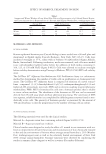
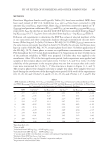
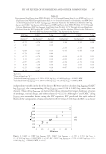
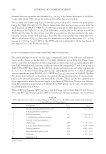
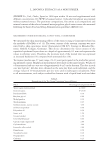
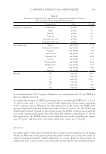
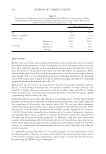
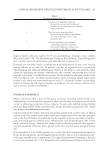
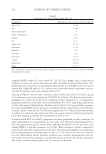
JOURNAL OF COSMETIC SCIENCE 220 Acne vulgaris is viewed as an infl ammatory disease, but levels of sebum production and bacterial populations may also underpin causation, and should be targeted by treatment strategies (3,7). In particular, the gram-positive anaerobic bacteria, Propionibacterium acnes (P. acnes), are thought to contribute to the infl ammatory phase of acne, although there is no consensus as on likely mechanisms (8,9). Other factors can exacerbate the pathogenic process leading to the development of acne vulgaris, and these are described in detail elsewhere (10). Hormones, principally the androgenic-dependant hormone, testosterone, can increase sebum levels and trigger infl ammatory processes (11). Poor quality diets, high in dairy foods, chocolate (12), and other lipid mediators, such as saturated fatty acids, are considered to be underlying risk factors, although the evidence base is currently weak (13). Research also suggests that emotional stress can stimulate immunoreactive nerve fi bers, sebum synthesis, and the build up of bacteria, mainly in the form of P. acnes (14). Cosmetic products are a popular treatment for acne but are not typically tested with the same rigor as medical treatments (15). However, this appears to be changing and a good example is the double-blind RCT published on the ‘anti-aging’ effects of niacinamide (16), which used the Kligman standards—three questions designed to test the scientifi c rationale behind cosmetic use (Table I 17). As yet, these gold standard approaches have not been used to investigate treatment strategies for acne vulgaris. Changes in today’s modern society have led to greater pressures to have clear skin which have, in turn, have increased demand for cost–effective, noninvasive cosmeceutical prod- ucts (15,18). There has also been increased interest in natural ingredients that were used to treat skin conditions in traditional cultures but remain untested in the clinical setting (19). Therefore, the aim of the present article is twofold: (i) to review studies which de- scribe the potential role of seaweed oligosaccharides in the prevention and treatment of acne vulgaris and (ii) to review the results from a recent published RCT that used a novel seaweed ingredient. SEAWEED OLIGOSACCHARIDES Oligosaccharides can be extracted from the brown seaweed Laminaria digitata (L. digi- tata). The plant is a rich source of potassium, sodium, magnesium, and iodine (Table II), although seasonal changes are known to affect the composition and ratio of the polysac- charides (20). Brown seaweeds are also a good source of anti-infl ammatory omega-3 fatty acids, with the algal blade containing more omega-3 fatty acids than the other parts of the plant (21). Extracting the oligosaccharides involves a four-stage process beginning with the harvest- ing of L. digitata from sustainably managed seabeds. This is done using a curved iron hook, called a scoubidou, which is suspended from a hydraulic arm mounted on a boat and lowered into the seabeds. The hook is then rotated to draw the seaweed out of the sea (22). In the next stage, aqueous extraction methods are used to remove long-chain polysac- charides (between 200 and 2500 sugar components) from the algae. This is followed by enzymatic depolymerization that breaks the polysaccharide into oligosaccharides, smaller polymers with 3–10 sugar components. The fi nal process involves chelating the
Purchased for the exclusive use of nofirst nolast (unknown)
From: SCC Media Library & Resource Center (library.scconline.org)