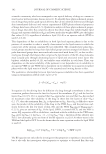
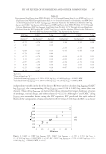
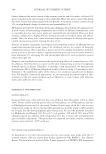
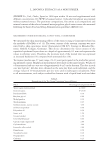
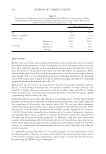
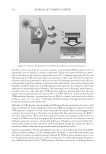
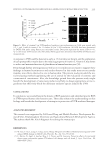
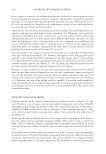
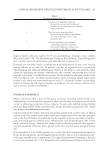
TOPICAL INGREDIENT REDUCES SYMPTOMS OF ACNE VULGARIS 221 oligosaccharide with zinc sulfate (0.1% zinc-pyrrolidone), forming a zinc complex (Phycosaccharide® AC, The Mentholatum Company, East Kilbride, United Kingdom) that actively crosses the skin barrier, even when the skin is greasy (22). Formerly, zinc has been used in combination with erythromycin to treat acne, but has limited effi cacy on its own (23). In general, zinc has an important role in promoting wound healing and reducing infl ammation (24,25). It also helps to control levels of skin sebum by inhibiting the enzyme 5-α-reductase that converts testosterone into its bio- logically active form, 5-α-dihydrotestosterone, which stimulates sebaceous gland activity (26). In addition, zinc can inhibit bacterial lipases from converting sebum triglycerides to fatty acids, which are potent mediators of acne (27). Scientifi c evidence on the likely impact of marine-derived oligosaccharides on symptoms of acne vulgaris will be evalu- ated in section “Evidence for Benefi t.” EVIDENCE FOR BENEFIT Marine organisms offer a host of biological activities including antibacterial, anti- infl ammatory, and antioxidative properties that could be used in preparations (28) with a view to alleviating symptoms of acne vulgaris. In particular, sulfated polysaccharides extracted from edible brown seaweeds have strong antioxidant properties (29), which may deliver anti-infl ammatory benefi ts. Until recently, most evidence has been arisen from animal trials, in vitro tests, or phase I clinical trials. One animal study showed that topical application of brown algae polyphe- nols to the skin of hairless mice inhibited cyclooxygenase-2 activity and rates of cell divi- sion, protecting against oxidative stress, infl ammation, and cell proliferation (30). A later study, similar in design, showed that seaweed polysaccharides promoted skin regenera- tion and prevented infections when applied to the skin of mice using sponge dressings (31). If an ingredient is to be useful against acne, it must also show antimicrobial properties. In one animal experiment, dietary supplementation with L. digitata led to signifi cant reduc- tion in gut enterobacteriaceae populations (32), suggesting antimicrobial properties. Equally, in vitro tests revealed that a 5.6% preparation of a patented seaweed oligosaccharide–zinc Table I Kligman Standards (Ref. 17) 1 Can the active ingredient penetrate the stratum corneum and be delivered in suffi cient concentrations to its intended target in the skin? 2 Does the active ingredient have a known specifi c biochemical mechanism of action in the target cell or tissue in human skin? 3 Are there published, peer-reviewed, double-blind, placebo-controlled, statistically signifi cant, clinical trials to substantiate the effi cacy claims?

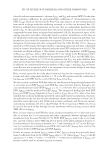
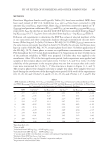
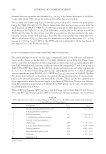
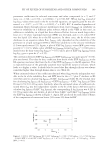
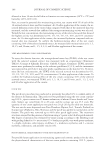
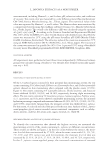
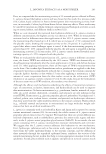
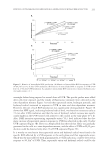
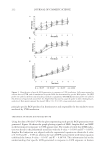
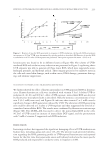
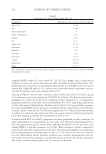
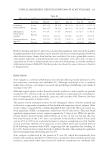
JOURNAL OF COSMETIC SCIENCE 222 complex (SOZC) reduced P. acnes counts by 74% (22). In a human trial, a reduction in Staphylococcus aureus (S. aureus) was noted in 58% of volunteers after 28 days of use (22). Additional tests carried out on skin samples showed that use of SOZC increased levels of interleukin 1 alpha (IL1α) by 11.1% in the active versus the control comparator, indicat- ing that the product may have soothing effects (22). Turning to Phase I clinical trials, cutaneous sebum levels reduced by 67% after a group of 12 volunteers used a gel containing 5% SOZC for 28 days (22). Results from an anti- prickling test carried out on day 28 in a subgroup of these volunteers (n = 8) suggested a signifi cant reduction in the skin’s reactivity threshold (by 36%), indicating reduced sen- sitivity and improved skin healing. Another clinical trial (n = 10) reported that a prepara- tion containing SOZC and the preservative phenoxyethanol, improved levels of hydration in surface layers of the skin for 4 h following application (33). These results indicate that, in addition to reducing skin sensitivity, the active agent may have hydrating properties ultimately helping to seal the skin and epidermis barrier (33). A double-blind RCT of a SOZC preparation has been published recently, involving 60 males with mild acne recruited from an acne clinic (34). After providing informed con- sent, the males (mean age 18.4 years) were randomly allocated to receive an active (con- taining SOZC) or placebo treatment for 56 days. Both treatment vehicles comprised a topical wash and balm. Examination of the skin, including photographs, was undertaken by two dermatologists at baseline, then on days 3, 14, 28, and 56. At each visit, comedo- nes and infl ammatory lesions (papules, pustules) were counted, desquamation and ery- thema were measured according to a standard four-point severity scale, while a sebumeter was used to estimate sebum production 3 h after use of the wash. Table II Composition of L. digitata (Brown Algae) (Ref. 45) Component Amount in L. digitata (g per 100 g dry matter) Water (%) 73–90 Ash 73–90 Total carbohydrate — Other carbohydrates 1–2 Proteina 8–15 Fat 1–2 Alginic acid 20–45 Laminaran 0–18 Mannitol 4–16 Fucoidan 2–4 Potassium 1.3–3.8 Sodium 0.9–2.2 Magnesium 0.5–0.8 Iodine 0.3–1.1 a Key: Should be treated with caution as value depends on levels of free nitrate that is found in variable amounts in brown algae.
Purchased for the exclusive use of nofirst nolast (unknown)
From: SCC Media Library & Resource Center (library.scconline.org)