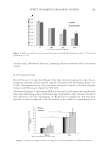
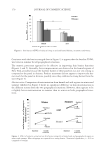
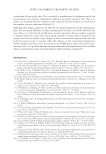
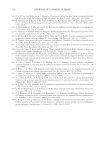
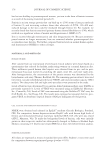
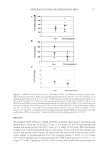
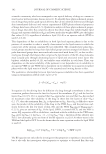
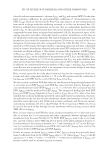
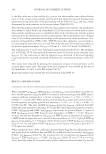
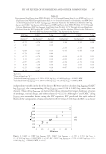
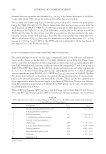
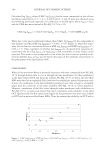
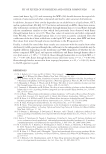
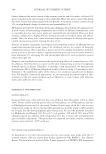
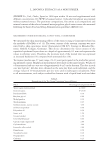
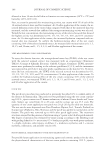
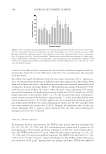
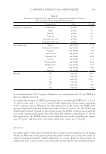
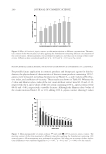
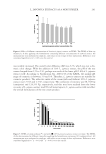
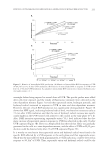
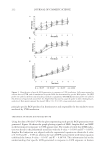
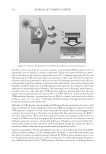
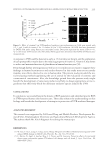
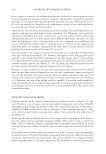
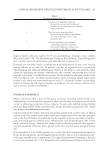
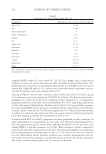
EFFECT OF SORBITOL TREATMENT ON SKIN 169 variance using a Bonferroni post-test, comparing sorbitol treatments with its untreated control. IN VIVO CLINICAL STUDIES Barrier Functions. It is clear from Figure 2 that skin chronically exposed to a hot, dry en- vironment contained a thicker stratum corneum. Consistent with the fi ndings of Sato et al. (1998), there appeared to be a lot more layers of stratum corneum in the skin of people living in arid Arizona as compared to New York. As observed in Figure 3, the baseline TEWL of the panel in arid Arizona was signifi cantly lower than that living in New York indicating a hyperplasia of the stratum corneum of skin exposed to a hot dry environment (3). Reduction of ceramides (by 40%) has been reported in winter as opposed to (28,29) summer, so this could be a contributing factor. Figure 1. Effect of sorbitol on protection of keratinocytes from NaCl-induced toxicity. **Statistical signifi cance p 0.01. Figure 2. Skin barrier integrity of subjects living in arid and humid habitat, in summer and winter.

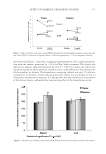
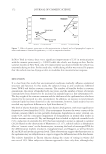
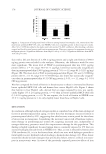
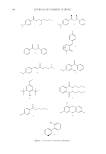
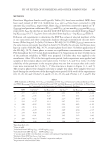
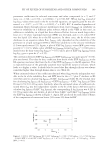
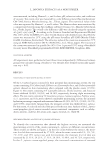
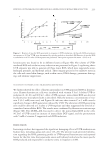
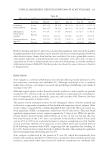
JOURNAL OF COSMETIC SCIENCE 170 Consistent with the barrier strength data in Figure 2, it appears that the baseline TEWL was lower in summer for all geographical situations. The osmotic protectant appeared to be effective in improving skin barrier functions (Figures 4 and 5). Generally, better improvement was observed in the humid regions of New York, possibly because the baseline barrier of these panelists was not very strong as compared to the panel in Arizona. Product treatment did not appear to improve the bar- rier much for the panel in Arizona, possibly since they exhibited a strong barrier from the start (Figure 5). Moisturization. Comparison of moisturization from humid and arid regions in winter and summer exhibited in Figure 6 shows no signifi cant difference in skin moisturization in the different seasons from the two geographical situations. However, there appears to be a slightly better moisturization in summer than in winter on both geographical situa- tions. Figure 3. Skin barrier (TEWL) of subjects living in arid and humid habitat, in summer and winter. Figure 4. Effect of osmotic protectant on skin barrier integrity in humid and arid geographical region in winter and summer. More strippings are required for a strong barrier. *Statistical signifi cance p 0.05 as compared to baseline.
Purchased for the exclusive use of nofirst nolast (unknown)
From: SCC Media Library & Resource Center (library.scconline.org)