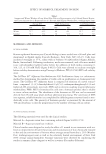
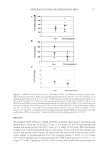
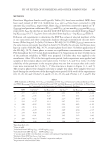
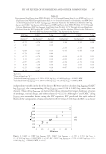
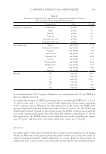
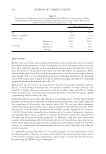
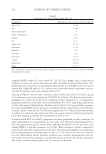
EFFECT OF SORBITOL TREATMENT ON SKIN 167 MATERIALS AND METHODS IN VITRO STUDIES Human epidermal keratinocytes (Cascade Biologics) were seeded into a 96-well plate and maintained in EpiLife media (Cascade Biologics, New York, NY) (16,17). Cells were incubated overnight at 37°C, either with or without 50 mM sorbitol (Sigma Aldrich, Buchs, Switzerland). Following incubation, media was removed, and cells were washed twice with phosphate buffered saline before the addition of fresh media containing 0, 100, 125, or 150 mM NaCl (Sigma S-9625). Cells were allowed to incubate overnight before viability determination using Promega’s (Madison, WI) (G 3580) MTS cell viability assay. The CellTiter 96® AQueous Non-Radioactive Cell Proliferation Assay is a colorimetric method for determining the number of viable cells in proliferation or chemosensitivity assays. The CellTiter 96® AQueous Assay is composed of solutions of a novel tetrazo- lium compound (3-(4,5-dimethylthiazol-2-yl)-5-(3-carboxymethoxyphenyl)-2-(4-sul- fophenyl)-2H-tetrazolium, inner salt MTS) and an electron coupling reagent (phenazine methosulfate PMS). MTS is bioreduced by cells into a formazan product that is soluble in tissue culture medium. The absorbance of the formazan at 490 nm can be measured directly from 96-well assay plates without additional processing. The conversion of MTS into aqueous, soluble formazan is accomplished by dehydrogenase enzymes found in met- abolically active cells. The quantity of formazan product as measured by the amount of 490 nm absorbance is directly proportional to the number of living cells in culture. IN VIVO CLINICAL STUDIES The following materials were used for the clinical studies: Material A—Aqueous serum base containing sorbitol (Sigma S-6021) 0.5%. Material B—Aqueous serum base (vehicle). Clinical studies were designed to study the effect of 1 month in-use treatment with sor- bitol on improvement of barrier functions and moisturization of skin chronically exposed to hot and dry environment of Arizona where average annual humidity is 23% (Weather Post, washingtonpost.com) as well as the relatively humid environment of New York (58% average annual humidity). Seasonal variations were observed by conducting the studies in summer (June–August) as well as in winter (December–February). Table I Summer and Winter Weather of Long Island New York as a Representative of a Cold and Humid Region and Tucson Arizona that is Representative of a Hot and Arid Region (Weather Post, washingtonpost.com) Average RH High Temperature Low Temperature NY AZ NY AZ NY AZ Winter 73.7 43.2 40 68 25.7 41.7 Summer 78.3 37.4 76 97.3 57.8 70.3

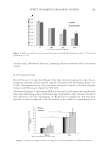
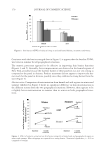
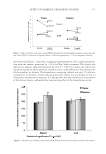
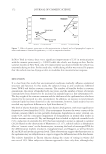
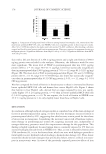
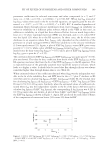
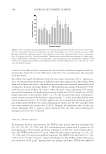
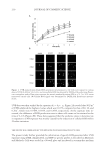
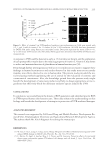
JOURNAL OF COSMETIC SCIENCE 168 A total of 18 volunteers who had lived in Tucson Arizona for more than 7 years completed the study. Twenty-two, age- and ethnicity-matched volunteers were recruited from Long Island, New York, as a representative of a cold, humid geographical location. The panelists were all Caucasian females between the ages of 18 and 45, who qualifi ed based on the inclusion criteria specifi ed in the protocol. The subjects reported to be of normal health with no evidence of acute or chronic disease including dermatologic or ophthalmologic problems. Subjects exhibiting current sunburn, rashes, scratches, burn marks, and so on, which might interfere with evaluation of test results, were excluded from the study. Pregnant or lactating females were also excluded. The subjects were instructed to refrain from using any moisturizer a week before commencing the study in summer and winter however, they were instructed to continue with their normal lifestyle and use of their makeup and sunscreen regimen and not change their activities and products during the course of the study. Written informed consent was obtained from each volunteer before entrance into the study. The panel was divided in two equal groups, corresponding to each test material. The panelists were provided with the test material to be applied on full face twice a day for 4 weeks. Each treatment was recorded by the panelists on a daily diary. The panelists re- ported to the laboratory with a clean face devoid of moisturizer or makeup. Measurements were obtained before treatment and after 4-week treatment with the test materials. Be- fore all measurements, the subjects were required to acclimate for 30 min in an environ- mentally controlled room with 70°F and 40% humidity. Barrier Functions. A small area (1.5 × 1.5 inch) was marked on the cheek of the panelists. Baseline TEWL measurements were obtained from this test, site using the Servomed Evap- orimeter (18–20). Tuck tape was used to cover the test area and after a fi rm stroke in both directions, the tape was peeled off. A total of three strippings were obtained. TEWL was recorded again. Strippings followed by TEWL measurements, were continued in groups of three. Skin barrier was considered disrupted when the TEWL reached about 18 G/M2/H, and at this point the strippings were stopped and TEWL was obtained. The number of strippings to disrupt skin barrier was calculated using a linear equation (21–23). Moisturization. Skin moisturization was measured with a Novameter DPM 9003 (NOVA Technology Corporation, Portsmouth, NH). The Nova measures skin moisturization as a function of increased skin surface water content. The instrument measures an output proportional to the skin’s electrical capacitance in megahertz frequency range (24,25). Capacitance measurements were obtained by holding the probe fi rmly against the cheek area of the panelists. Three measurements were obtained from the upper cheek area at each time point (26,27). RESULTS IN VITRO STUDIES As observed in Figure 1, NaCl yielded a dose-dependent decrease in cell viability that was inhibited by sorbitol, 44% and 81% at 125 and 150 mM NaCl, respectively. Data repre- sent the mean of eight data points. Statistical signifi cance was evaluated by analysis of
Purchased for the exclusive use of nofirst nolast (unknown)
From: SCC Media Library & Resource Center (library.scconline.org)