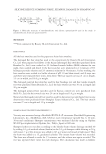
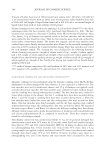
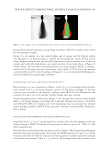
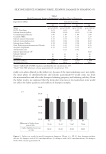
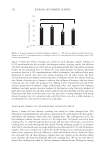
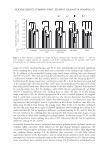
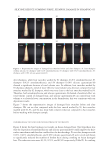
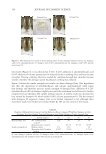
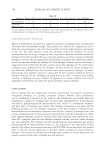
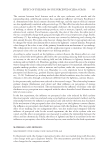
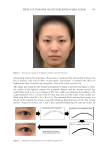
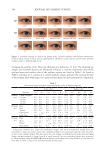
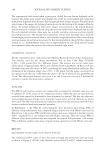
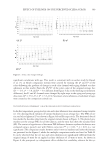
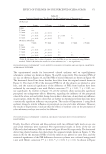
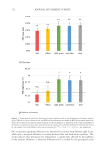
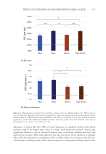
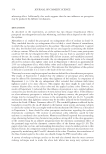
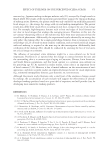
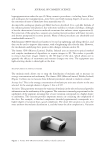
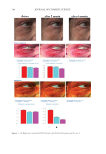
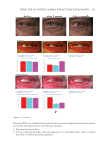
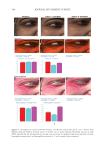
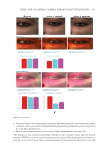
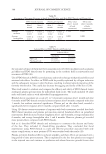
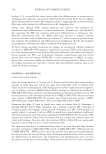
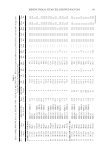
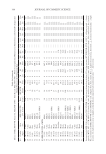
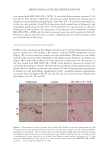
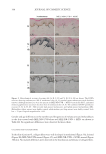
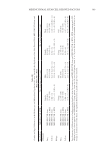
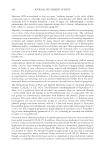
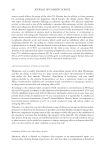
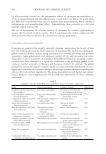
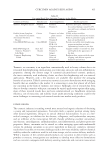
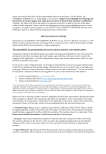
366 JOURNAL OF COSMETIC SCIENCE changing the eyeliner colors. Here, the thickness was defined as 1.5 mm. The trimmed eye images of all stimuli datasets are illustrated in Figure 3, and the colorimetric data of the eyeliner layers and surface color of the eyeliner regions are listed in Table I. As listed in Table I, stimulus set 2 consists of 4 colored eyeliner images generated by varying the hue of the eyeliner layer with respect to a grey eyeliner image of equal intensity for comparison. Figure 3. Standard stimulus set used in the present study: (1) black eyeliners with thickness modulation (2) hue-rotated colored eyeliners and an equal-lightness achromatic eyeliner (grey) and (3) brown and blue eyeliners with two different light levels. Table I Colorimetric Data of Eyeliner Layers and Surface Color of Eyeliner Regionsa Layer color Surface color Eyeliner L* a* b* C* h L* a* b* C* h Stimuli set 1 0 mm (original) 28.1 12.3 15.0 19.4 50.5 0.5 mm 9.0 0.0 0.0 0.0 45.0 12.7 4.0 4.1 5.8 45.7 1.0 mm 9.0 0.0 0.0 0.0 45.0 12.4 2.4 2.7 3.6 47.7 1.5 mm 9.0 0.0 0.0 0.0 45.0 12.6 1.8 2.1 2.8 49.7 2.0 mm 9.0 0.0 0.0 0.0 45.0 12.7 1.5 1.9 2.4 51.0 Stimuli set 2 Grey 20.0 0.0 0.0 0.0 145.1 21.0 2.2 2.6 3.4 50.0 Red 20.0 20.0 0.0 20.0 0.0 21.0 18.2 2.9 18.5 9.0 Yellow 20.0 0.0 20.0 20.0 90.0 21.2 2.3 19.0 19.1 83.1 Light green 20.2 −18.7 0.3 18.7 179.1 20.9 −17.1 1.3 17.2 175.5 Light blue 20.0 0.0 −20.0 20.0 270.0 20.5 −0.1 −14.0 14.0 269.8 Stimuli set 3 Blue 12.3 18.0 −31.6 36.4 299.6 14.4 14.5 −23.9 28.0 301.2 Navy 17.4 12.1 12.5 17.3 45.9 19.1 12.2 12.8 17.6 46.4 Brown 10.7 9.0 −15.8 18.2 172.3 13.2 7.8 −12.1 14.4 302.9 Dark brown 13.2 6.0 6.2 8.7 45.4 15.8 7.2 7.7 10.5 46.8 a Comparison stimulus sets, sclera-color–modulated images, and eye-size–modulated images were also generated by image processing. Sclera-color–modulated images were generated using the same procedure as that for the eyeliner images. The direction of the color change was defined based on the measured aging change and was assumed to change linearly at equal intervals. Eye-size–modulated images were generated by image warping using the MATLAB function imwarp (in the Image Processing Toolbox) to vary their size from 90% to 110% in steps of 1%, both horizontally and vertically.

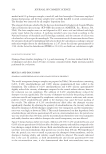
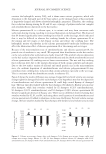
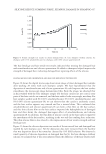
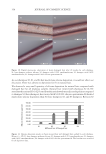
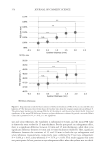
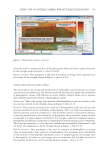
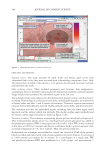
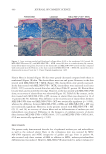
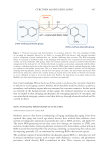
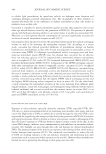
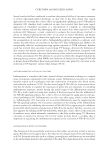
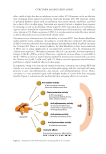
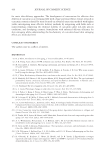
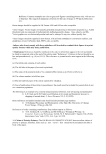
367 EFFECT OF EYELINER ON THE PERCEIVED SCLERA COLOR Stimuli data set 3 consists of 2 popular eyeliner colors, blue and brown, and 2 eyeliner colors darker than these. The dark eyeliner has been set as an intermediate color between the original blue/brown eyeliner and black eyeliner in the eyeliner layer. PARTICIPANTS In all the psychophysical experiments, people working at the Odawara Research Center of Kao Corporation were recruited as participants. All the participants provided informed consent and participated in the experiments in exchange for a monetary reward. The experimental protocol was approved by the Ethical Committee of Kao Corporation. All participants reported normal or corrected-to-normal visual acuity and color vision. In Experiment 1, 15 participants (9 males, 6 females, 28–46 years old, mean =35.0) were recruited for sclera color measurement, and 12 participants (6 males, 6 females, 25–54 years old, mean =34.3) were recruited for eye size measurement. The experiment was conducted between April and May 2019. In Experiment 2, 16 participants (8 males, 8 females, 20–46 years old, mean =32.2) were recruited for sclera color measurement, and 15 participants (7 males, 8 females, 26–50 years old, mean =35.7) were recruited for eye size measurement. The experiment was conducted from November to December 2019. In Experiment 3, 27 participants (12 males, 15 females, 21–52 years old, mean =36.2) were recruited for sclera color measurement, and 23 participants (12 males, 11 females, 22–53 years old, mean =34.7) were recruited for eye size measurement. This test was conducted in two parts: July 2020 (15 participants for sclera color and 14 participants for eye size) and March 2021 (12 participants for sclera color and 9 participants for eye size). PROCEDURE In the experiment, a standard stimulus and a comparison stimulus were displayed side by side. The standard stimulus was a simulated eyeliner-applied image, and the comparison stimulus was a sclera-color–modulated image or an eye-size–modulated image. In the perceptual sclera color measurement, the sclera-color–modulated images were used as the comparison stimuli, and the test subject answered which sclera of the stimuli was whiter. In the case of perceptual eye size measurement, comparison stimuli were eye-size–modulated images, and the one with the larger eyes was chosen among the two depicted forced-choice options (Figure 4). Figure 4. Experimental paradigm employed in this study.
Purchased for the exclusive use of nofirst nolast (unknown)
From: SCC Media Library & Resource Center (library.scconline.org)