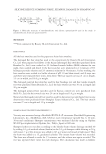
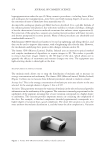
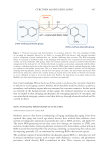
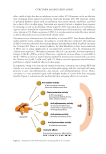
406 JOURNAL OF COSMETIC SCIENCE Moreover, ROS accumulated in skin can cause “oxidative damage” to the skin’s cellular components such as cell walls, lipid membranes, mitochondria, and DNA, which will eventually lead to wrinkle formation, a trait of aging (13). Inflammaging is another phenomenon that describes aging symptoms arising due to chronic inflammation in the body, which is a causative factor for skin aging (16). Therefore, it is imperative that research on antiaging cosmetics should focus on interrupting one or more of the above-mentioned pathways having skin-aging traits. The commonly exploited mechanisms include ROS (generated intrinsically or extrinsically by photo energy) scavenging using antioxidants (17,18) molecular rejuvenation and retarding degradation of elastin and collagen proteins by using elastase and collagenase inhibitors (19,20) maintaining the moisture content in the dermal environment (20) use of hyaluronidase inhibitors and by a combination of several of these strategies. Skin regeneration strategies are also being tried out as a remedy for antiaging (21). Currently, there is an increasing consumer attraction toward antiaging cosmetics with natural and/or organic labels, and hence there is an upward trend in research on plant-derived cosmetics with skin antiaging benefits (13). Curcumin extracted from turmeric rhizomes is one of the extensively studied natural compounds not only for its cosmeceutical benefits, but also for its medicinal and nutraceutical values. Curcuma longa (turmeric) belonging to the Zingiberaceae (ginger) family, although native to India, is now cultivated in many tropical and subtropical Southeast Asian countries. The multifunctionality of curcumin includes, among other factors, antibacterial, antiviral, anti-inflammatory, anti-arthritic, anticancer, and anti-Alzheimer’s properties. As an ingredient for cosmetic formulations, it has been extensively used for skin-brightening, moisturizing, scar-removing, anti-acne, and anti-inflammatory benefits. All of the above- mentioned bioactive functionalities of curcumin are derived from its chemical properties. The International Union of Pure and Applied Chemistry name of curcumin (chemical formula C 21 H 20 O 6 )is (1E, 6E)-1,7-bis(4-hydroxy-3-methoxyphenyl)-1,6-heptadiene-3,5- dione. It is a symmetric molecule in which two aromatic rings are connected through a seven-carbon chain and belongs to the Diarylheptanoid class of compounds. The two aryl groups are symmetrically substituted with methoxy and phenolic groups at ortho positions. The seven-carbon chain consists of an enone moiety and a 1,3-diketone group. Consequently, the reactive functional groups of curcumin include two ortho-methoxy phenolic groups, two enone moieties, and the 1,3-keto enol moiety (Figure 1). Curcumin has ionizable protons at both phenolic and enolic groups, and its pK a values range from 8.5 to 10.7 (22). The computed ground-state dipole moment of curcumin is 10.77 D and has a log (p) value (hydrophobicity parameter) of 2.5–3.6, evidencing its extremely low solubility in water (∼3–6 µg/mL) (22). Curcumin and its chemistry leading to its promising bioactive functions are areas that have been widely reviewed (22,24,26,27). In addition, the extraction methods of curcumin from turmeric is also an area that has been reviewed extensively (26,28). Further, the reviews on the applications of curcumin in a broader perspective, such as in biomedical, pharmacological, and food and nutrition, also can be found (28). Moreover, the advanced delivery method of curcumin to achieve the intended biomedical applications is an area that is currently being investigated by many, and hence being reviewed as well (29,30). However, even though curcumin has historically been used as an ingredient in many traditional cosmetic remedies, a comprehensive review discussing its cosmeceutical benefits is nonexistent to the

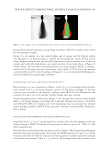
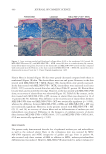
407 Curcumin Against Skin Aging best of our knowledge. Hence the focus of this review is to discuss the curcumin chemistry in relation to its antiaging cosmetic benefits, which would be useful to scholars, academics, researchers, and industry experts who are interested in curcumin cosmetics. In this article an overview of the biological basis of skin aging, the chemical properties of curcumin that are linked to skin antiaging mechanisms, the antiaging properties of curcumin, and curcumin-based antiaging cosmetics and their delivery through advanced methods will be covered in detail. SKIN ANTIAGING MECHANISMS OF CURCUMIN ANTIOXIDANT EFFECT OF CURCUMIN Oxidative stress is a key factor in stimulating cell aging, including skin aging. It has been reported that aging and several age-related diseases have resulted from oxidative stress exerted on biologically important macromolecules such as DNA, proteins, and lipids (31). The major ROS-generating factors that cause skin damage are exposure to UVR, poor nutrition, alcohol intake, chemical pollutants, and stress (32). Antioxidants combat with such ROSs to avoid their harmful effects by attacking, adsorbing, or neutralizing free radicals and decomposing peroxides (33), or sometimes by converting ROS to less reactive species. The epidermis consists of natural defense mechanisms against ROS, i.e., keratinocytes rich in natural antioxidant enzymes such as super oxide dismutase, catalases, and glutathione peroxidase, which detoxify ROS accumulated on skin. These enzymes are important Figure 1. Chemical structure and functionalities of curcumin molecule. The skin antiaging benefits of curcumin are primarily derived by its ability to scavenge ROS and interact with enzymes (proteins) such as collagenase, elastase, hyaluronidase, etc., thereby inhibiting their activities. The ROS-scavenging ability of curcumin is attributed either to the hydrogen atom transfer or by sequential electron and proton transfer reactions of phenolic OH groups, where the resultant phenoxyl radicals are stabilized by extended conjugation of the molecule (23,24). On the other hand, curcumin is a pleiotropic compound with the ability to interact with many molecules in the cells such as proteins, DNA, lipids, metals, and metalloproteins, either via covalent or noncovalent interactions. The π–π interactions of the aromatic moieties and the hydrogen bonding involving phenolic moieties and the keto-enol group can induce the noncovalent interactions with the bioactive molecules, whereas the covalent bonds are mainly due to the ability of the keto-enol moiety to act as a Michael acceptor or an electron donor (25). Further, the long-chain seven-carbon links provide flexibility for these functional groups to interact with bioactive molecules.
Purchased for the exclusive use of nofirst nolast (unknown)
From: SCC Media Library & Resource Center (library.scconline.org)