410 JOURNAL OF COSMETIC SCIENCE matrix mostly affects the aging of the skin (59). Elastase has the ability to cleave proteins by converting polypeptide into fragments, which disrupts the cellular matrix. There are two types of elastase enzymes differing in substrate specificity (60). Elastase inhibitory activity is also used as one of the methods to measure skin antiaging activity. As elastin fibers and collagenous fibers form a network under the epidermis, the inhibition of elastase, which otherwise degrades elastin protein is a crucial factor for the maintenance of the skin structure. As inhibition of elastase leads to disruption of the matrix, it is important to have natural and biologically important molecules that can inhibit elastase activity. Some plants contain a wide variety of active compounds including polyphenols such as flavonoids, tocopherols, phenolic acids, and tannins, which could exert an inhibitory effect on these degrading enzymes (61). According to a study conducted to assess the anti-elastase activity of plant extracts to identify the anti-elastase activity of their components, the highest anti- elastase activity of 117.80% was reported for the ethyl acetate extract of curcumin (60). Another study reported that plants containing polyphenols such as curcumin showed more than 65% inhibition against elastase (61). In a study conducted to evaluate the inhibitory effects of 150 medicinal plant extracts (1,000 µg/ml in methanol) against human leukocyte elastase activity, curcuma longa showed 100% maximum inhibition (62). ANTIHYALURONIDASE ACTION OF CURCUMIN Hyaluronic acid is widely distributed in the extracellular matrix of the skin. Hyaluronic acid has the ability to hold water to a large extent and reduces the formation of wrinkles and makes the skin smooth. Therefore, degradation of hyaluronic acid into small oligosaccharides by the enzyme hyaluronidase can have a significant impact on aging. Hence, hyaluronidase inhibitors are considered major constituents in antiaging cosmetics, as they possess antiwrinkle and antiaging effects (63). According to two similar studies conducted with curcumin at concentrations of 80.94 μg/ mL and 500 μg/mL in ethanol on the inhibition of hyaluronidase, results showed 103% and 95.02% inhibition respectively (60,64). However, methanolic extracts of curcuma longa root powder showed only an inhibition of 7% at a concentration of 2 mg/ml (62). A commercial bioactive curcumin formulation, Cureit™ (Aurea Biolabs, Kerala, India), was reported to have hyaluronidase inhibition of 42% in a study conducted using cell culture studies on antiaging effects (65). Therefore, it is clear that curcumin has shown strong inhibitory action against hyaluronidase and protects skin from the formation of wrinkles, providing healthy, younger-looking skin. Bioactive components in plant extracts like curcumin actively take part in the inhibition of the enzymatic reactions that destabilize the integrity of the skin (65). Use of plant extracts that possess both anti-elastase and antihyaluronidase activities, has overall beneficial effects as these extracts can be added to cosmetics to impart antiaging effects on human skin (66), and curcumin will be an ideal candidate to serve that role. HORMETIC EFFECTS OF CURCUMIN ON SKIN Hormesis, which is defined as a biphasic dose response to an environmental agent, is a characteristic of many biological processes. At a low dose there is a stimulation or beneficial

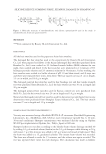
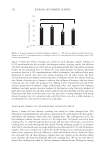
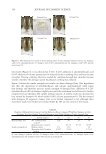
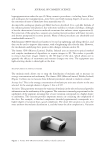
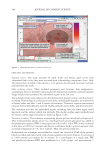
411 Curcumin Against Skin Aging effect, while a high dose has an inhibitory or toxic effect (67). Hormesis can be an effective way of slowing down aging by preventing molecular damage (68). The exposure of skin to potential hormetic agents such as irradiation, heat, heavy metals, antibiotics, and food has a direct effect on skin aging. Curcumin was reported to have a diphasic dose response by inducing as well as detoxifying cellular responses (69). Curcumin has several hormetic aspects such as stimulation of proteasomes, differentiation of keratinocytes, and enhanced stress tolerance (70). Heme oxygenase-1 (HO-1) is a redox-sensitive inducible stress protein in which the products are associated with cellular stress. Curcumin acts as a hormetin as it has the ability to increase HO-1 from human fibroblasts under oxidative stress conditions. According to a study that was conducted, the induction of HO-1 levels was observed after treating human skin fibroblasts with 10 μM of curcumin for 24 hours (69). There is a natural tendency for skin fibroblasts to have lower induction of HO-1 due to aging. Application of curcumin had a positive effect by stimulating the cellular stress responses. The biphasic hormetic effect of curcumin has also been reported in relation to Na/K –ATPase activity. There was a significant increase (three- to sevenfold) in Na/K –ATPase activity of normal human epidermal keratinocytes treated with curcumin for 24 hours at 0.3 μM ,1.0 μM, and 3 μM (71). Hence curcumin possesses several hormetic pathways to impart beneficial effects on skin aging. In summary, owing to its very special chemical structure, curcumin can scavenge ROS and thereby acts as an antioxidant, a protector from photoaging, and also can bind with many proteins to give anti-inflammatory, anti-elastase, and antihyaluronidase effects. Hence, curcumin is a very powerful agent with multiple modes of action with skin antiaging benefits. Figure 2 summarizes the multimodal skin antiaging effects of curcumin. Figure 2. Summary of the multimodal skin antiaging effects of curcumin.
Purchased for the exclusive use of nofirst nolast (unknown)
From: SCC Media Library & Resource Center (library.scconline.org)