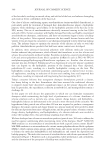
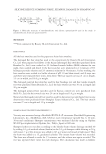
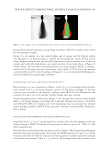
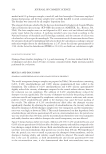
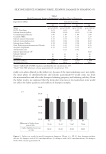
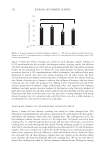
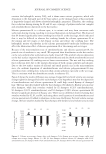
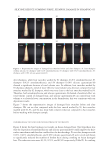
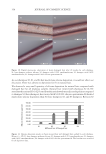
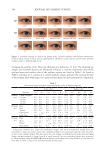
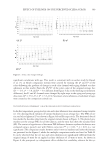
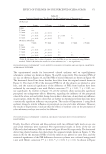
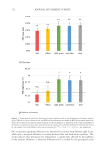
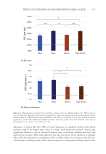
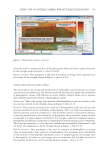
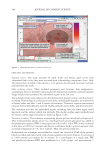
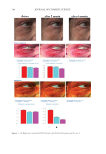
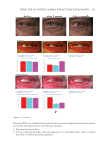
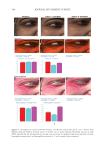
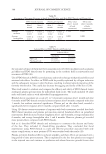
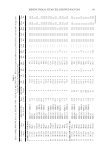
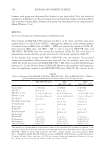
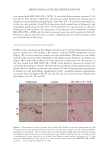
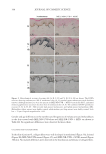
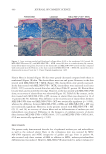
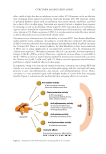
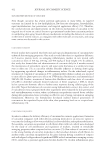
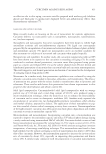
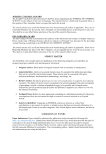
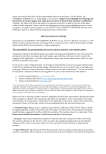
379 Using the 3D Antera Camera for Accurate Evaluation should be used to compare the skin of the same person before and after a given treatment. In the example shown in Figure 2, this is 0.05224. Relative variation. This parameter is the ratio of variation to average level, expressed in a percentage. In the example shown in Figure 2, this is, 9.93%. HAEMOGLOBIN MODE IN ANTERA CAMERA This mode allows one to map the distribution of haemoglobin and to measure its average concentration and uniformity. The software used will automatically display the distribution of haemoglobin. Antera 3D® (Miravex Limited, Dublin, Ireland) allows one to measure three different parameters related to haemoglobin content: Average level. This is the average concentration of haemoglobin per unit area relative to the area one has selected. In the example shown in Figure 3, this is 1.45. Variation. This parameter measures the variation of haemoglobin in the selected area and provides information on the uniformity of the pigment. This is an important parameter in determining how good skin complexion is. The parameter, which is measured by software, is inversely proportional to the uniformity of the pigment this means that a lower variation corresponds to a higher degree of uniformity. For example, a blotched complexion (uneven hemoglobin distribution) corresponds to a higher degree of variation than a good complexion. The closer the variation is to zero, the more uniform the haemoglobin distribution is, and the better the complexion is. In the example shown in Figure 3, this is 1.45 Relative variation. This parameter is the ratio of variation of haemoglobin to average value of haemoglobin. Like variation of haemoglobin, this parameter gives information on the evenness of haemoglobin distribution, but it is weighed against the average value of haemoglobin. Its value in a percentage gives an immediate feel for what the level of haemoglobin uniformity is. In the example shown in Figure 3, this is 13.3%. Figure 2. Melanin mode in Antera camera (9).

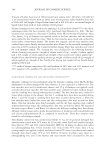
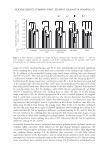
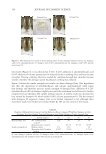
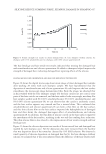
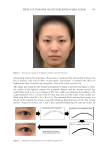
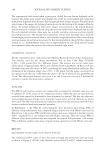
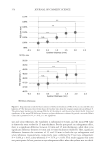
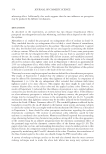
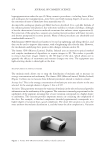
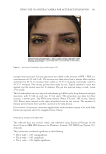
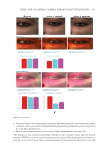
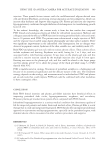
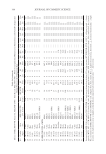
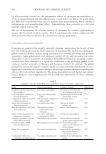
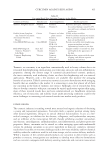
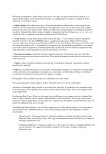
380 JOURNAL OF COSMETIC SCIENCE OBJECTIVES AND METHODS Included criteria. The study included 50 adult, males and female, aged 22–55, with infraorbital dark circles they were recruited from a dermatology outpatients’ clinic. Only 40 patients were included in the statistics, as 10 patients discontinued treatment and were excluded from the study. Other exclusion criteria. These included pregnancy and lactation, skin malignancies, autoimmune diseases, thrombocytopenia, platelet dysfunction syndrome, and anticoagulant drugs and previous treatments for infraorbital region in the last year. All included patients were subjected to detailed personal, present, family, and drug history recording. Dermatological examinations were done, including photographic documentation of lesions before and after 1 and 6 months of treatment. Treatment response was assessed using an Antera 3D® (Miravex Limited, Dublin, Ireland) camera before and after treatment. The treatment area was the infraorbital region, extending from the lower upper eyelid superiorly and the inferior orbital rim inferiorly. The medial canthus angle (medially) and the lateral canthus angle (laterally) are shown in Figure 4 (10). Treatment procedures. The technique of preparing plasma gel was described by Gupta et al. They mentioned that plasma serum was centrifuged and calcium gluconate was added in the platelet-poor plasma (PPP) in the proportion of 0.01 mL/1 mL of PPP. It was incubated in hot water at 100°C for 5 minutes and then in a cold-water bath in a metal container, with an initial temperature of 7 °C, for 5 minutes. Then, the gel was ready (11). In this study, the technique was modified to a novel one. A total of 10 mL of the patient’s blood was taken and mixed with 1 mL of anticoagulant acid citrate dextrose. It was rotated at 3,000 rotations per minute for 10 minutes in a centrifugator as a single spin. PPP and platelet-rich plasma (PRP) were withdrawn in a 1-mL syringe, and approximately 5 Figure 3. Haemoglobin mode in Antera camera (9).
Purchased for the exclusive use of nofirst nolast (unknown)
From: SCC Media Library & Resource Center (library.scconline.org)