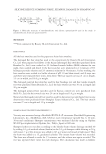
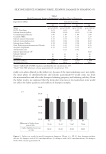
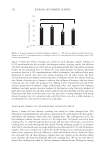
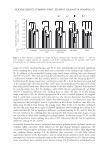
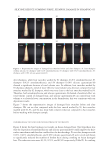
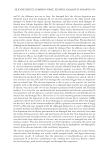
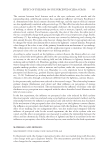
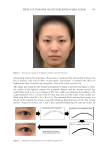
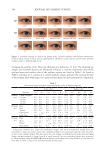
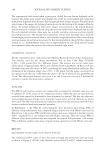
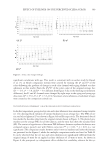
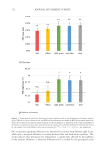
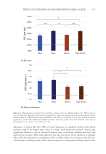
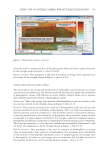
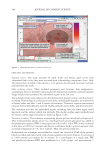
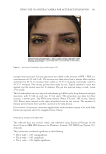
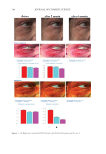
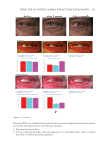
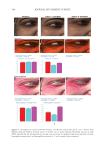
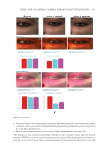
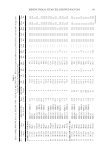
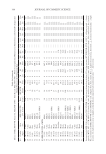
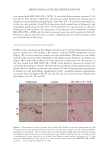
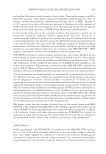
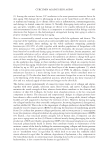
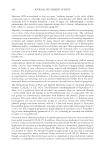
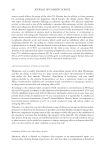
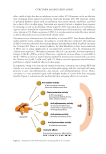
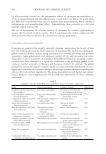
387 Using the 3D Antera Camera for Accurate Evaluation • Structural (skin color) appearing as structural shadows formed by facial anatomic surface contours can be associated with infraorbital palpebral bags, blepharo-ptosis, and loss of fat with bony prominences. • Mixed type combination of two or three of the aforementioned patterns (14). The benefits of any treatment procedure depend on the causative factor and the clinical pattern of POH in cases of excessive pigmentation, topical bleaching agents and chemical peeling can be used. Lasers, fillers, and autologous fat transplantation have been tried, and Figure 6. (Continued)

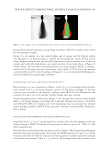
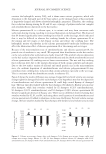
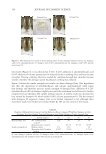
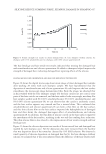
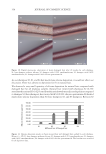
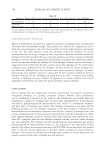
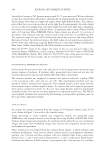
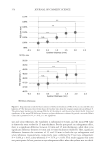
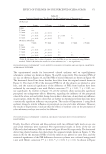
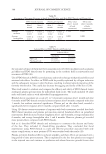
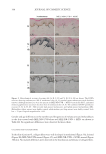
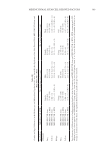
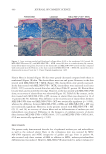
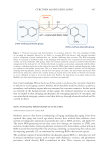
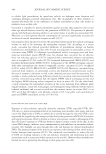
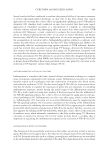
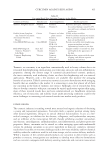
388 JOURNAL OF COSMETIC SCIENCE the outcomes of most of them have been unsatisfactory (15). New modalities such as plasma gel (filler) and PDO threads may be promising in the aesthetic field in rejuvenation and treatment of POH (16). Use of PDO threads in POH is a revolutionary and novel technique with profound effects and minimal side effects. Its effect on POH could be possibly explained by collagen induction and the subsequent increase in skin thickness, resulting in altered optical properties of the formerly thinner skin. This could also decrease the sagging and laxity of the skin (17,18). This study aimed to evaluate and compare the efficacy and safety of PDO threads versus autologous plasma gel injections for infraorbital dark circles. The study included 40 adult male and female subjects with infraorbital hyperpigmentation. Blinded doctor assessment on a scale of 1 to 5 of patients’ responses after 1 month and after 6 months with PDO threads revealed a better response after 6 months compared with after 1 month, but without statistical significance. Plasma gel, on the other hand, revealed a significantly better response after 6 months compared with after 1 month. Using 3D Antera camera assessment of response with both treatments revealed that both PDO thread insertion and plasma gel injection exerted beneficial effects in periorbital rejuvenation. Both decreased texture roughness after 1 and 6 months, average melanin after 6 months, and average hemoglobin after 1 and 6 months. However, plasma gel revealed more potent effects compared with PDO threads. Suh et al. described PDO threads and techniques to counteract the descent and laxity of the face. They included 31 thread-lifting procedures. They concluded that facial rejuvenation using PDO threads is a safe and effective procedure associated with only minor complications, as most patients (87%) were satisfied with the results (19). Plasma gel exerts beneficial effects on facial wrinkles, and these effects are sustained over a long period of time post-treatment. This is explained by the fact that platelets are trapped in the injected area and continue to synthesize and release bioactive growth factors after Table IV Assessment of Treatment Response in Small-Sized Wrinkles with Both PDO Threads and Plasma Gel PDO threads response Plasma gel response The p value (after 1 month of both treatments) The p value (after 6 months of both treatments) After 1 month After 6 months After 1 month After 6 months Average melanin −0.019 ± 0.005 −0.013 ± 0.005 −0.023 ± 0.002 −0.023 ± 0.004 1.256 0.095 Average hemoglobin −0.003 ± 0.001 −0.014 ± 0.005 −0.05 ± 0.02 −0.04 ± 0.01 0.001 0.001 Table V Adverse Effects of PDO Threads and Plasma Gel Adverse effects Erythema Bruising PDO side 10 (25%) 4 (10%) Plasma gel side 17 (42.5%) 8 (20%)
Purchased for the exclusive use of nofirst nolast (unknown)
From: SCC Media Library & Resource Center (library.scconline.org)