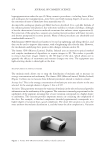
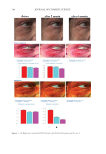
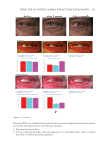
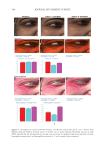
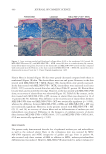
392 JOURNAL OF COSMETIC SCIENCE healing (1). It is possible that these factors induce the differentiation of melanocytes in vitiliginous skin. Moreover, our previous study showed that elastin fibers, but not collagen fibers, dramatically decreased in the vitiliginous skin (5), suggesting that recovery of elastin fibers may induce melanocyte differentiation in the vitiliginous skin. Ferrous ferric chloride (FFC) controls oxidation and reduction and stimulates the proliferation and differentiation of human melanocytes, keratinocytes, and fibroblasts (6), suggesting that FFC may stimulate melanocyte differentiation in vitiliginous skin. Moreover, mesenchymal stem cells (MSCs) have been reported to suppress immune reactions, decrease levels of inflammatory cytokines (7), release numerous growth factors that stimulate the proliferation and differentiation of neighboring cells (8), and stimulate the proliferation of melanocytes when cocultured with melanocytes (9). To better obtain successful treatments for vitiligo, we investigated whether combined treatment of MEL/NB-UVB exposures, multilayered treatment (MT) using regenerating skin after making numerous fine holes by Dermapen followed by the addition of collagen/ elastin peptides and FFC, and multilayered treatment supplemented with key factors derived from stem cell cultures (MTK, MT +culture supernatant of MSCs) can induce elastin fibers’ restoration, melanocyte differentiation, and repigmentation. These trials for the vitiligo treatments are expected to develop new and powerful cosmetics that can be useful for vitiligo treatments. MATERIALS AND METHODS COLLECTION OF SKIN SAMPLES Fifty-one vitiligo patients (4–79 years old, 23 females and 28 males) who possessed white macules in many skin sites visited our clinic from September 2018 to January 2021 (Table I). All were nonsegmental, stable vitiligo patients. Forty-eight patients are Japanese, two are Chinese, and one is Middle Eastern. Before starting, we explained the methods of MEL/NB-UVB therapy and skin wounding/sampling and obtained informed consent. We started exposures of two minimal erythema doses of MEL or NB-UVB. Only lesional areas were exposed to MEL/NB-UVB. The patients were divided into three groups: 1) MEL/ NB-UVB alone 2) MEL/NB-UVB +MT and 3) MEL/NB-UVB +MTK. Numerous fine holes (1.5 mm in depth) were made on lesional skin by Dermapen 4 (DermapenWorld, Terrey Hills, Australia), and a solution (1 ml) for MT consisting of collagen peptide (0.19 mg/ml), elastin peptide (9 mg/ml), and FFC (0.001 ng/ml) was quickly added. A solution (1 ml) for MTK in which freeze-dried umbilical-cord-blood- derived mesenchymal stem cell culture supernatants (UCB-MSCCS) were dissolved in MT solution was similarly added. Then the treated skin was covered with adhesive tapes and rolled with bandages. Five days after this treatment, MEL or NB-UVB was continuously exposed on the treated skin two to three sessions per week. Five skin areas were fixed: 1) nonlesional (more than 2 cm apart from the edge of white macules) 2) lesional 3) (MEL/NB-UVB)-treated 4) (MEL/NB-UVB +MT)-treated and 5) (MEL/NB-UVB +MTK)-treated. Areas four and five were pretreated with Dermapen, but not area three. In our preliminary study, Dermapen alone (area three) failed to induce the differentiation of melanocytes and melanoblasts and repigmentation and to increase the density and thickness of elastin fibers. Three punch biopsies (0.6–1.3 mm in diameter,

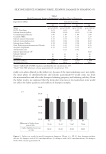
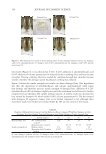
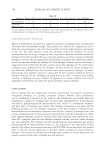
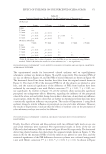
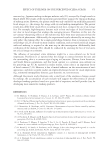
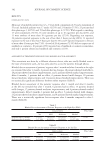
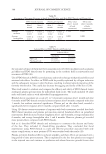
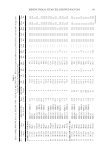
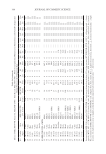
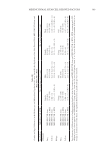
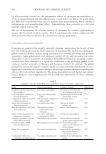
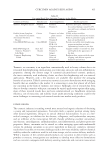
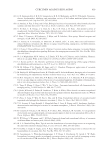
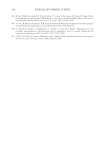
Table I Effects of MEL/NB-UVB Alone (A), MEL/NB-UVB +MT (B), and MEL/NB-UVB +MTK (C) on Epidermal Melanocytes/Melanoblasts and Dermal Collagen and Elastin Fibers in the Vitiliginous Skin No Gender (Age) Skin Site MEL/NB-UVB (No. of sess) Dose (j/cm2) MT/MTK (Days) M Non M Les M Tre Mb Non Mb Les Mb Tre Coll Non Coll Les Coll Tre Elas Non Elas Les Elas Tre (A) MEL/NB-UVB alone 1 F (12) Elbow MEL(13) +NB(12) 20.7 0 79.8 0 0 94.2 0 0 ↑↑↑ ↑↑↑ ↑↑↑ ↑↑↑ ↓↓↓ ↓↓↓ 2 F (47) Back MEL(3) 0.4 0 79.0 0 0 91.4 0 0 ↑↑↑ ↑↑↑ ↑↑↑ ↑↑↑ ↓↓↓ ↓↓↓ 3 F (12) Leg MEL(8) 2.1 0 129.1 0 0 91.8 0 0 ↑↑↑ ↑↑↑ ↑↑↑ ↑↑↑ ↓↓ ↓↓ 4 M (6) Eyelid MEL(42) +NB(1) 21.2 0 107.8 0 0 99.9 0 0 ↑↑↑ ↑↑↑ ↑↑↑ ↑↑↑ ↓↓↓ ↓↓↓ 5 M (21) Cheek MEL (40) +NB (1) 15.4 0 132.7 0 0 103.3 0 0 ↑↑↑ ↑↑↑ ↑↑↑ ↑↑↑ ↓ ↓ 6 M (70) Neck MEL(35) +NB(42) 86.0 0 53.7 0 0 95.0 0 0 ↑↑↑ ↑↑↑ ↑↑↑ ↑↑↑ ↓↓↓ ↓↓↓ 7 F (53) Finger MEL(20) +NB(3) 67.3 0 112.2 0 0 98.8 0 0 ↑↑↑ ↑↑↑ ↑↑↑ ↑↑↑ ↓↓↓ ↓↓↓ 8 M (50) Hip MEL(5) 2.0 0 84.9 0 0 98.4 0 0 ↑↑↑ ↑↑↑ ↑↑↑ ↑↑↑ ↓↓↓ ↓↓↓ 9 M (74) Face MEL(3) +NB(8) 4.6 0 73.8 0 0 117.1 0 0 ↑↑↑ ↑↑↑ ↑↑↑ ↑↑↑ ↓↓↓ ↓↓↓ 10 F (29) Nipple MEL(15) +NB(7) 7.0 0 85.8 0 0 114.7 0 0 ↑↑↑ ↑↑↑ ↑↑↑ ↑↑↑ ↓↓↓ ↓↓↓ 11 M (30) Chin MEL(10) +NB(10) 8.9 0 140.2 0 0 97.9 0 0 ↑↑↑ ↑↑↑ ↑↑↑ ↑↑↑ ↓↓ ↓↓ 12 M (26) Eyelid MEL(36) +NB(47) 89.1 0 150.2 0 0 119.1 0 0 ↑↑↑ ↑↑↑ ↑↑↑ ↑↑↑ ↓↓↓ ↓↓↓ 13 M (29) Neck MEL(16) +NB(1) 6.7 0 138.1 0 0 113.2 0 0 ↑↑↑ ↑↑↑ ↑↑↑ ↑↑ ↓ ↓ 14 M (33) Neck MEL(4) +NB(76) 126.9 0 85.4 0 2.4 127.5 0 5.1 ↑↑↑ ↑↑↑ ↑↑↑ ↑↑↑ ↓↓↓ ↓↓↓ 15 M (72) Arm MEL(3) 1.6 0 52.9 0 0 107.9 0 0 ↑↑↑ ↑↑↑ ↑↑↑ ↑↑↑ ↓↓↓ ↓↓↓ 16 M (45) Wrist MEL(3) +NB(17) 15.5 0 155.3 0 0 102.4 0 0 ↑↑↑ ↑↑↑ ↑↑↑ ↑↑↑ ↓↓ ↓↓ 17 F (37) Areola MEL(11) +NB(10) 5.9 0 78.6 0 0 104.8 0 0 ↑↑↑ ↑↑↑ ↑↑↑ ↑↑↑ ↓↓↓ ↓↓↓ (B) MEL/NB-UVB +MT 18 F (61) Neck MEL(14) +NB(13) 40.8 91 130.7 0 0 109.9 0 0 ↑↑↑ ↑↑↑ ↑↑↑ ↑↑↑ ↓↓↓ ↑↑↑ 19 M (79) Scalp MEL(20) +NB(16) 25.8 89 102.6 0 0 96.1 0 0 ↑↑↑ ↑↑↑ ↑↑↑ ↑↑↑ ↓↓ ↑↑ 20 M (50) Wrist NB(38) 34.2 92 118.3 0 0 112.0 0 0 ↑↑↑ ↑↑↑ ↑↑↑ ↑↑↑ ↓↓ ↑↑ 21 M (15) Neck MEL(1) +NB(2) 0.9 7 111.3 0 0 98.9 0 0 ↑↑↑ ↑↑↑ ↑↑↑ ↑↑↑ ↓↓ ↑↑ 22 F (44) Neck MEL(18) +NB(10) 10.4 109 197.7 0 11.0 104.3 0 2.4 ↑↑↑ ↑↑↑ ↑↑↑ ↑↑↑ ↓↓ ↑↑↑ 23 M (56) Hand MEL(1) +NB(12) 8.1 51 165.2 0 0 108.5 0 0 ↑↑↑ ↑↑↑ ↑↑↑ ↑↑↑ ↓↓ ↑↑ 24 F (35) Belly MEL(11) +NB(9) 7.4 118 99.7 0 0 94.1 0 0 ↑↑↑ ↑↑↑ ↑↑↑ ↑↑↑ ↓↓ ↑↑ 25 F (49) Neck MEL(18) +NB(16) 19.8 102 97.0 0 0 91.9 0 0 ↑↑↑ ↑↑↑ ↑↑↑ ↑↑↑ ↓↓ ↑↑ 26 M (73) Neck NB(14) 6.5 67 103.2 0 0 105.7 0 0 ↑↑↑ ↑↑↑ ↑↑↑ ↑↑↑ ↓↓↓ ↑↑↑ 27 F (14) Eyelid MEL(3) 0.2 11 130.5 0 1.9 102.7 0 22.8 ↑↑↑ ↑↑↑ ↑↑↑ ↑↑↑ ↓↓ ↑↑↑ ()393 MESENCHYMAL STEM CELL-DERIVED FACTORS
Purchased for the exclusive use of nofirst nolast (unknown)
From: SCC Media Library & Resource Center (library.scconline.org)