148 JOURNAL OF COSMETIC SCIENCE
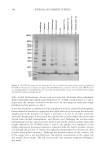
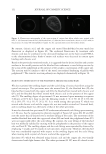
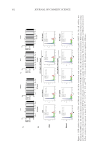
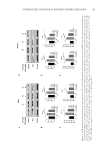
with catechol, hydroquinone, chicoric acid, and resorcinol, the former three polyphenols
showed ladder-like lanes which ranged from about 25–70 kDa as seen in lanes 2, 4, and 5,
respectively. By contrast, resorcinol was not active for increasing the molecular weight
distribution of the protein see lane 3.
It was also found that a combination of the polyphenols with the copper (II) chlorophyllin
(often referred to hereafter as copper salt) was highly effective in increasing the molecular
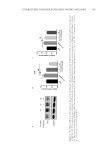
weight-range of the lysozyme see Figure 2 and lanes 7, 9, and 10. In other words, the
molecular weight-range of the protein was significantly increased when the protein was
treated with catechol, hydroquinone, and chicoric acid. Although the reaction using
hydroquinone and the copper salt just showed only faintly stained medium molecular
weight substances (25–120 kDa) (lanes 7 and 9), the product was considered as the
highly polymerized proteinous substances separated from the buffer medium did not
run through the gel disk. A similar electrophoresis phenomenon was observed in other
systems using gelatin proteins.12 Although the detailed analysis of the catalytic role
of the copper salt is not described here, the optimal concentration of the copper salt
was around about 4 ppm. The salt concentration was therefore employed throughout
this study.
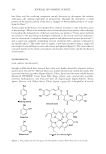
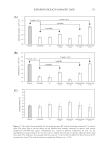
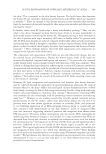
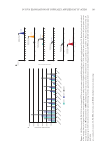
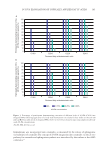
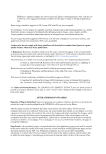
Figure 2. SDS-PAGE patterns of the lysozyme (0.4 wt.-%) which was treated with various polyphenols
(0.9 mM) in the presence or absence of copper (II) chlorophyllin (Cu, 4 ppm) at 40°C for 24h. CBB was used
as a staining agent. It is considered that the very large proteins products, if any, were retained in the starting
wells without running through the gel.
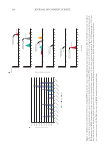
with catechol, hydroquinone, chicoric acid, and resorcinol, the former three polyphenols
showed ladder-like lanes which ranged from about 25–70 kDa as seen in lanes 2, 4, and 5,
respectively. By contrast, resorcinol was not active for increasing the molecular weight
distribution of the protein see lane 3.
It was also found that a combination of the polyphenols with the copper (II) chlorophyllin
(often referred to hereafter as copper salt) was highly effective in increasing the molecular
weight-range of the lysozyme see Figure 2 and lanes 7, 9, and 10. In other words, the
molecular weight-range of the protein was significantly increased when the protein was
treated with catechol, hydroquinone, and chicoric acid. Although the reaction using
hydroquinone and the copper salt just showed only faintly stained medium molecular
weight substances (25–120 kDa) (lanes 7 and 9), the product was considered as the
highly polymerized proteinous substances separated from the buffer medium did not
run through the gel disk. A similar electrophoresis phenomenon was observed in other
systems using gelatin proteins.12 Although the detailed analysis of the catalytic role
of the copper salt is not described here, the optimal concentration of the copper salt
was around about 4 ppm. The salt concentration was therefore employed throughout
this study.
Figure 2. SDS-PAGE patterns of the lysozyme (0.4 wt.-%) which was treated with various polyphenols
(0.9 mM) in the presence or absence of copper (II) chlorophyllin (Cu, 4 ppm) at 40°C for 24h. CBB was used
as a staining agent. It is considered that the very large proteins products, if any, were retained in the starting
wells without running through the gel.