150 JOURNAL OF COSMETIC SCIENCE
CHEMICAL CHARACTERIZATION OF THE POLYPHENOL TREATED HAIR FIBERS
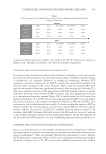
We next assayed the amino acid residues of the water-soluble keratin and the bleached hair
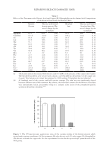
which were treated with chicoric acid in the presence of the copper salt (4 ppm). Table I
lists the amino acid compositions before and after the treatment. The lysine, histidine and
cysteine residues were substantially decreased in both the keratin protein and the bleached
hair after the treatment see the three residues from the bottom of Table I. Also, the
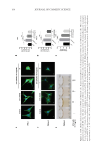
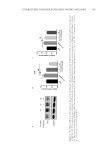
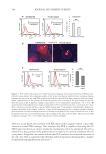
UV-spectrometric quantification clearly indicated that the cysteine content of the protein
was decreased to about one-fifth level treatment with the polyphenol and the copper salt, as
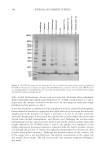
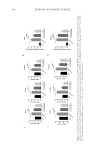
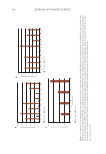
shown in Figure 5. These results of the SDS-PAGE and the amino acid analysis suggest that
the lysine, histidine, and cysteine residues were chiefly modified with the polyphenols in
the presence of copper (II) ions to polymerize the keratin proteins. Similarly, Yamauchi and
coworkers studied an artificial sclerotization of gelatin to conclude that these amino acid
residues reacted with hydroquinone, catechol, and others to rapidly harden the structural
protein in the presence of a catalytic concentration by copper (II) ions.12
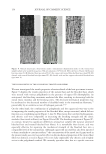
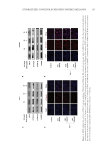
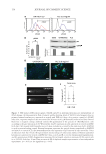
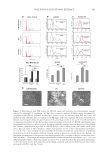
On the other hand, Figure 6 shows cross-sectional photographs of untreated hair, the
bleached hair, and the chicoric acid treated bleached-hair, each of which was stained with
the fluorescent dye (FITC-I) in the same conditions. Note that the dye generally reacts
with the lysine, histidine, and cysteine residues of a protein.22 The untreated hair gave
the weak fluorescence only on the thin surface of the fiber as seen in Figure 6A. The
bleached hair was stained more intensity with FITC-I, especially in the cuticle region and
the medulla regions,23 which were abundant with lysine and cysteine residues (Figure 6B).24
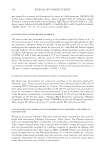
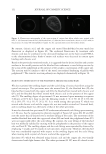
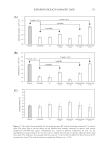
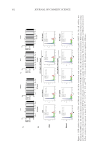
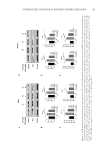
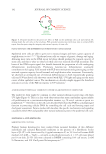
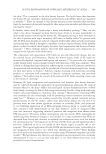
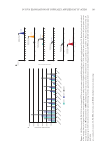
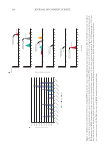
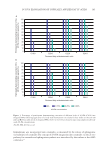
Figure 4. SDS-PAGE patterns of the keratin protein (IFP-HMW) which was treated with the polyphenol
(hydroquinone and chicoric acid) in the presence of copper (II) chlorophyllin (4 ppm). The concentration (mM)
of the polyphenols is indicated on the upper side of the lanes. CBB was used as a staining agent.
CHEMICAL CHARACTERIZATION OF THE POLYPHENOL TREATED HAIR FIBERS
We next assayed the amino acid residues of the water-soluble keratin and the bleached hair
which were treated with chicoric acid in the presence of the copper salt (4 ppm). Table I
lists the amino acid compositions before and after the treatment. The lysine, histidine and
cysteine residues were substantially decreased in both the keratin protein and the bleached
hair after the treatment see the three residues from the bottom of Table I. Also, the
UV-spectrometric quantification clearly indicated that the cysteine content of the protein
was decreased to about one-fifth level treatment with the polyphenol and the copper salt, as
shown in Figure 5. These results of the SDS-PAGE and the amino acid analysis suggest that
the lysine, histidine, and cysteine residues were chiefly modified with the polyphenols in
the presence of copper (II) ions to polymerize the keratin proteins. Similarly, Yamauchi and
coworkers studied an artificial sclerotization of gelatin to conclude that these amino acid
residues reacted with hydroquinone, catechol, and others to rapidly harden the structural
protein in the presence of a catalytic concentration by copper (II) ions.12
On the other hand, Figure 6 shows cross-sectional photographs of untreated hair, the
bleached hair, and the chicoric acid treated bleached-hair, each of which was stained with
the fluorescent dye (FITC-I) in the same conditions. Note that the dye generally reacts
with the lysine, histidine, and cysteine residues of a protein.22 The untreated hair gave
the weak fluorescence only on the thin surface of the fiber as seen in Figure 6A. The
bleached hair was stained more intensity with FITC-I, especially in the cuticle region and
the medulla regions,23 which were abundant with lysine and cysteine residues (Figure 6B).24
Figure 4. SDS-PAGE patterns of the keratin protein (IFP-HMW) which was treated with the polyphenol
(hydroquinone and chicoric acid) in the presence of copper (II) chlorophyllin (4 ppm). The concentration (mM)
of the polyphenols is indicated on the upper side of the lanes. CBB was used as a staining agent.