152 JOURNAL OF COSMETIC SCIENCE
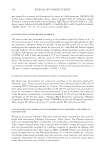
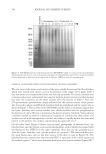
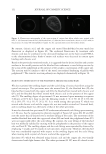
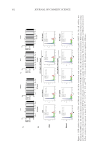
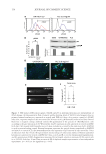
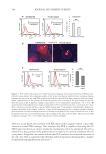
By contrast, chicoric acid, and the copper salt treated bleached-hair became much less
fluorescent as displayed in Figure 6C. The weakened fluorescence by treatment with
chicoric acid may be attributed to the decreased binding sites in the hair toward FITC-I,
or the aforementioned three kinds of amino acid residues were decreased in content upon
binding with chicoric acid.
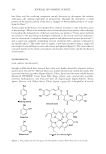
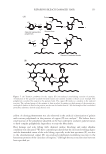
Based on the previously mentioned results, it is suggested that the lysine, histidine and cysteine
residues in the model proteins and the bleached hair underwent a cross-linking reaction by
the action of the polyphenols in the presence of the catalytic concentration of the copper salt.
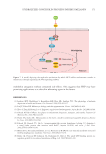
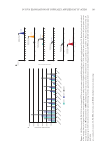
The reaction may be similar to that of the metal ion-catalyzed hardening of gelatin with
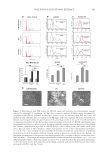
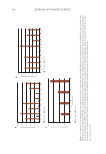
polyphenols.12 The tentative reaction pathways are displayed schematically in Figure 7A.
MICROSCOPIC OBSERVATIONS OF THE POLYPHENOL TREATED BLEACHED HAIRS
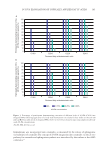
We also examined the swelling degree and the scale lifting of various hair fibers using the
optical microscope. The specimens were: the natural hair (I), the bleached hair (II), the
bleached hair treated with the copper salt (III), the bleached hair treated with chicoric acid
(IV), and the bleached hair fibers treated with chicoric acid in the presence of the copper
salt (V). The swelling degree of specimens I–V was measured upon warming in aqueous
5 M urea at 60°C for 1 hour to give the following results: I: 31 ± 5% II: 45 ± 6% III:
61 ± 10% IV: 44 ± 3% V: 26 ± 3%. It is worth noting that specimen V, which was
treated with chicoric acid and the copper salt, was not swollen as much as I (natural hair),
and its swelling degree was the lowest of that of the other specimens.
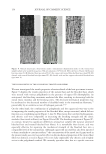
It was also observed that specimens II–IV underwent substantial scale lifting upon warming
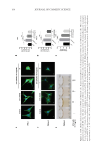
in 5 M urea. See the representative photomicrograph of Figure 8A versus 8B, 8C and 8D
note the native hair (I) resisted even a medium lifting of the scales. The treatments of the
swollen bleached hair with the copper salt alone (III) and with the polyphenol alone (IV)
were not appreciably affect the scale lifting. By contrast, the scale lifting of the bleached
hair was markedly subdued by treating with the polyphenols in the presence of the copper
salt see Panel E. The swelling degree and the scale lifting were reproducibly observed by
employing 7 strands and 50 strands of each specimen, respectively. Therefore, the bleached
hair was considerably repaired with respect to the swelling degree and the scale lifting
when treating with a system of chicoric acid and the copper salt.
Specimen (V), which was obtained using chicoric acid and the copper salt, was visually
characterized with light brown color. The other specimens (II–IV) were all colored in tint
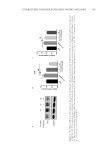
Figure 6. Fluorescence micrographs of the cross-section of various hair fibers which were stained with
FITC-I. (A) Untreated natural hair (B) bleached hair (C) bleached hair treated with chicoric acid (12 mM) in
the presence of cooper (II) chlorophyllin (4 ppm). See the experimental section for further details.
By contrast, chicoric acid, and the copper salt treated bleached-hair became much less
fluorescent as displayed in Figure 6C. The weakened fluorescence by treatment with
chicoric acid may be attributed to the decreased binding sites in the hair toward FITC-I,
or the aforementioned three kinds of amino acid residues were decreased in content upon
binding with chicoric acid.
Based on the previously mentioned results, it is suggested that the lysine, histidine and cysteine
residues in the model proteins and the bleached hair underwent a cross-linking reaction by
the action of the polyphenols in the presence of the catalytic concentration of the copper salt.
The reaction may be similar to that of the metal ion-catalyzed hardening of gelatin with
polyphenols.12 The tentative reaction pathways are displayed schematically in Figure 7A.
MICROSCOPIC OBSERVATIONS OF THE POLYPHENOL TREATED BLEACHED HAIRS
We also examined the swelling degree and the scale lifting of various hair fibers using the
optical microscope. The specimens were: the natural hair (I), the bleached hair (II), the
bleached hair treated with the copper salt (III), the bleached hair treated with chicoric acid
(IV), and the bleached hair fibers treated with chicoric acid in the presence of the copper
salt (V). The swelling degree of specimens I–V was measured upon warming in aqueous
5 M urea at 60°C for 1 hour to give the following results: I: 31 ± 5% II: 45 ± 6% III:
61 ± 10% IV: 44 ± 3% V: 26 ± 3%. It is worth noting that specimen V, which was
treated with chicoric acid and the copper salt, was not swollen as much as I (natural hair),
and its swelling degree was the lowest of that of the other specimens.
It was also observed that specimens II–IV underwent substantial scale lifting upon warming
in 5 M urea. See the representative photomicrograph of Figure 8A versus 8B, 8C and 8D
note the native hair (I) resisted even a medium lifting of the scales. The treatments of the
swollen bleached hair with the copper salt alone (III) and with the polyphenol alone (IV)
were not appreciably affect the scale lifting. By contrast, the scale lifting of the bleached
hair was markedly subdued by treating with the polyphenols in the presence of the copper
salt see Panel E. The swelling degree and the scale lifting were reproducibly observed by
employing 7 strands and 50 strands of each specimen, respectively. Therefore, the bleached
hair was considerably repaired with respect to the swelling degree and the scale lifting
when treating with a system of chicoric acid and the copper salt.
Specimen (V), which was obtained using chicoric acid and the copper salt, was visually
characterized with light brown color. The other specimens (II–IV) were all colored in tint
Figure 6. Fluorescence micrographs of the cross-section of various hair fibers which were stained with
FITC-I. (A) Untreated natural hair (B) bleached hair (C) bleached hair treated with chicoric acid (12 mM) in
the presence of cooper (II) chlorophyllin (4 ppm). See the experimental section for further details.