197 IN VIVO ELONGATION OF TOPICALLY APPLIED FATTY ACIDS
DISCUSSION
In the present report, we describe the first in vivo evidence that topically applied d31-PA
from a range of skincare formulations (body wash, leave-on lotion, and syndet bar) promotes
arm and leg skin barrier function via FFA elongation and successive incorporation into d29
sphingosine, a surrogate marker for ceramides.
Our data build upon previous ex vivo and in vitro findings that topically applied FFAs are
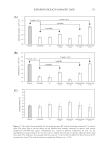
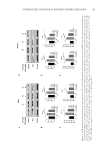
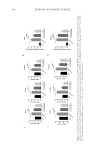
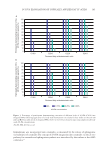
elongated endogenously. Overall, there was a trend in our study for greater levels of C22:0
than C20:0 and greater levels of C20:0 than C18:0. These data could indicate that C18:0
and C20:0 are transient products in the FFA elongation process, in accordance with results
from ex vivo and in vitro studies.4,26 It may be reasonable to assume that providing shorter-
chain FFAs delivers the substrates for sustained elongated FFA production.19
Between participants, we observed variability in the extent of FFA elongation. FFA
elongation is determined by the activity of elongase enzymes. Elongase expression is
regulated at the pre-translational level by tissue-specific and nutritional factors and
during postnatal development thus, individual differences in elongase expression may be
accountable for the variation in FFA elongation.27
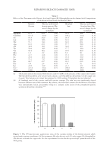
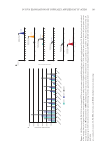
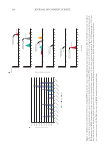
Elongation up to C24:0 was detected in the tape strip extracts of participants following
body wash application, whilst elongation up to C26:0 was detected following leave-on
lotion and syndet bar application. MRM LC/MS/MS is a gold-standard method used in this
study for the detection and quantitation of FFAs and deuterated sphingosine as a surrogate
marker of ceramides. However, C24:0 and C26:0 FFA levels were undetectable in the
solvent extracts, despite ex vivo evidence of elongation of topically applied d31-PA to both
C24:0 and C26:0.3,17 There is limited evidence for the solubility of C24:0 in nonhalogenated
solvents therefore, its limited solubility in the methanol/ethyl acetate used for the solvent
extracts may have resulted in inadequate recovery from the skin.28 Enhanced detection of
longer-chain FFAs from tape strips highlights an advantage of this sampling method for
analyzing the full spectrum of SC FFAs.
The topical formulations tested in this study provided nourishment to the skin irrespective
of the method of application. This demonstrates that wash-off products such as a syndet bar
and body wash can mimic the performance of a leave-on formulation without compromising
the benefits delivered to the skin when washed off up to 90 seconds later. Additionally, the
body wash data show that even low levels of d31-PA incorporation in a wash-off product
can result in detectable FFA elongation and the presence of d29 sphingosine. As our studies
were conducted in healthy adults with minimal or moderate dry skin, these formulations
could have particular utility for the nourishment of dry skin.
These data provide in vivo evidence that three different topical skincare formats, fully
formulated to include d31-PA, are incorporated into the SC and used as building blocks
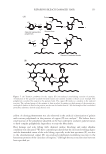
to produce longer-chain FFAs. The formation of deuterated sphingosine from d31-PA
offers direct evidence for the involvement of these topically applied FFAs in the ceramide
biosynthesis pathway in vivo. Taken together, our findings demonstrate that leave-on lotion,
body wash and syndet bar formulations can provide nourishment to the skin and may
contribute to a healthy skin barrier.
POSTERS PRESENTED AT TWO AMERICAN ACADEMY OF DERMATOLOGISTS MEETING
1. Hermanson K. et al. “Nutrient Benefits to the Skin are Delivered from both Bars and
Liquid Cleansers” 2020 AAD e-poster.
DISCUSSION
In the present report, we describe the first in vivo evidence that topically applied d31-PA
from a range of skincare formulations (body wash, leave-on lotion, and syndet bar) promotes
arm and leg skin barrier function via FFA elongation and successive incorporation into d29
sphingosine, a surrogate marker for ceramides.
Our data build upon previous ex vivo and in vitro findings that topically applied FFAs are
elongated endogenously. Overall, there was a trend in our study for greater levels of C22:0
than C20:0 and greater levels of C20:0 than C18:0. These data could indicate that C18:0
and C20:0 are transient products in the FFA elongation process, in accordance with results
from ex vivo and in vitro studies.4,26 It may be reasonable to assume that providing shorter-
chain FFAs delivers the substrates for sustained elongated FFA production.19
Between participants, we observed variability in the extent of FFA elongation. FFA
elongation is determined by the activity of elongase enzymes. Elongase expression is
regulated at the pre-translational level by tissue-specific and nutritional factors and
during postnatal development thus, individual differences in elongase expression may be
accountable for the variation in FFA elongation.27
Elongation up to C24:0 was detected in the tape strip extracts of participants following
body wash application, whilst elongation up to C26:0 was detected following leave-on
lotion and syndet bar application. MRM LC/MS/MS is a gold-standard method used in this
study for the detection and quantitation of FFAs and deuterated sphingosine as a surrogate
marker of ceramides. However, C24:0 and C26:0 FFA levels were undetectable in the
solvent extracts, despite ex vivo evidence of elongation of topically applied d31-PA to both
C24:0 and C26:0.3,17 There is limited evidence for the solubility of C24:0 in nonhalogenated
solvents therefore, its limited solubility in the methanol/ethyl acetate used for the solvent
extracts may have resulted in inadequate recovery from the skin.28 Enhanced detection of
longer-chain FFAs from tape strips highlights an advantage of this sampling method for
analyzing the full spectrum of SC FFAs.
The topical formulations tested in this study provided nourishment to the skin irrespective
of the method of application. This demonstrates that wash-off products such as a syndet bar
and body wash can mimic the performance of a leave-on formulation without compromising
the benefits delivered to the skin when washed off up to 90 seconds later. Additionally, the
body wash data show that even low levels of d31-PA incorporation in a wash-off product
can result in detectable FFA elongation and the presence of d29 sphingosine. As our studies
were conducted in healthy adults with minimal or moderate dry skin, these formulations
could have particular utility for the nourishment of dry skin.
These data provide in vivo evidence that three different topical skincare formats, fully
formulated to include d31-PA, are incorporated into the SC and used as building blocks
to produce longer-chain FFAs. The formation of deuterated sphingosine from d31-PA
offers direct evidence for the involvement of these topically applied FFAs in the ceramide
biosynthesis pathway in vivo. Taken together, our findings demonstrate that leave-on lotion,
body wash and syndet bar formulations can provide nourishment to the skin and may
contribute to a healthy skin barrier.
POSTERS PRESENTED AT TWO AMERICAN ACADEMY OF DERMATOLOGISTS MEETING
1. Hermanson K. et al. “Nutrient Benefits to the Skin are Delivered from both Bars and
Liquid Cleansers” 2020 AAD e-poster.