266 JOURNAL OF COSMETIC SCIENCE
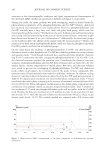
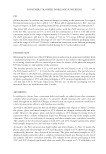
emulsion structure was strengthened, and its shear resistance was improved from 2%
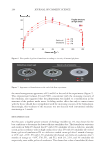
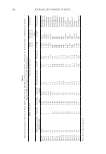
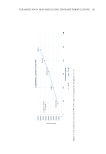
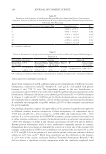
emulsifier (d): F10, F11, and F12 (Figure 10), in line with long-term stability (Table IV). A
relative sensitivity to very high stress persisted.
Based on the mathematical analysis, performed in the range where the structures were
stable, it is apparent that the two highest doses of emulsifier led to gel-in-oil emulsions
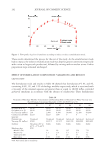
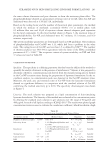
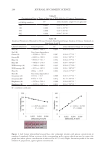
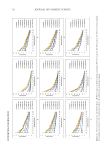
Figure 9. Viscoelasticity of formulations at different frequencies (A, B) according to emulsifier dosage.
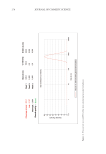
Figure 10. Flow profile of gel-in-oil emulsions according to emulsifier (d) dosage.
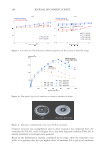
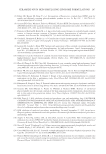
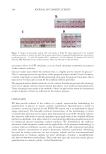
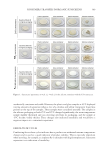
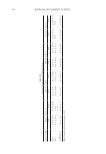
Figure 11. Appearance of formulations at the end of the flow experiment.
emulsion structure was strengthened, and its shear resistance was improved from 2%
emulsifier (d): F10, F11, and F12 (Figure 10), in line with long-term stability (Table IV). A
relative sensitivity to very high stress persisted.
Based on the mathematical analysis, performed in the range where the structures were
stable, it is apparent that the two highest doses of emulsifier led to gel-in-oil emulsions
Figure 9. Viscoelasticity of formulations at different frequencies (A, B) according to emulsifier dosage.
Figure 10. Flow profile of gel-in-oil emulsions according to emulsifier (d) dosage.
Figure 11. Appearance of formulations at the end of the flow experiment.