276 JOURNAL OF COSMETIC SCIENCE
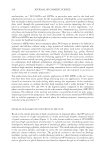
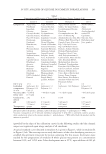
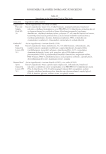
Even though several analytical methods including ceramides have been described
in the literature, each of them is only for lipid compounds obtained from complex
materials.4-11 The low solubility of ceramide subtypes in many solvents is an issue
to quantify ceramides in the topical formulation. Therefore, the available methods
have certain limitations to apply to topical formulation development studies. The
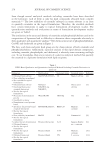
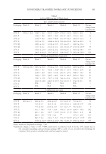
quantification methods and evaluations in terms of formulation development studies
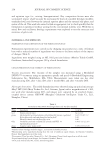
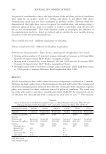
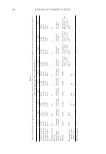
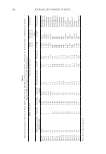
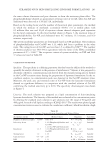
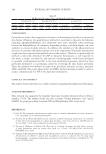
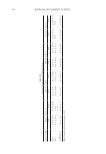
are given in Table I.
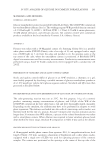
The similarities in the structural identity of ceramides and phosphatidylcholines used in the
compositions of liposomes lead to difficulty to determine these compounds selectively in
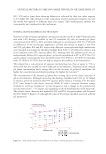
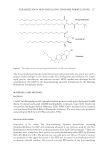
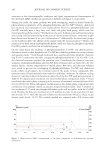
their qualitative and quantitative analysis.12 The chemical structure of phosphatidylcholine,
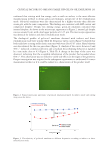
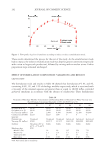
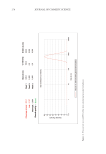
Cer-NP, and cholesterol are given in Figure 1.
The fatty acid chain and polar head group are the characteristics of both ceramides and
phosphatidylcholines. Additionally, separated analysis of skin lipid domain components,
including ceramide, phospholipids, and cholesterol, is relatively time-consuming and high
cost. To our knowledge, there are no reports of a selective analytical method that quantify
the ceramide in a liposome formulation with lipid excipients.
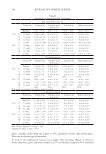
Table I
HPLC-Based Qualitative and Quantitative Analytical Methods Including Ceramide Derivatives in
Literature
Evaluation Mobile phase Stationary phase Ceramide source Reference
• Obtained from cell line
• Poor solubility in methanol
• Not suitable for topical
formulation
MeOH/NH4CH3CO2 C8 HepG2 cell line [4]
• Obtained from cell line
• Involving fluorescence
ceramide derivatives
• Not for the topical
formulation
Methanol
NH4HCO2/aq.
NH4HCO2
C8 Ovary cancer
cell line
[5]
• Necessity of derivatization
process
• Insolubility in water
• Formulation is not liposome
based
Water/MeOH ODS AQ Oat [6]
• Specificity for protein-bound
ceramide derivatives
• Not for the topical
formulation
MeOH/NH4CH3CO2 BEH C18 Human s.
corneum
[7]
• Poor solubility in methanol
• Not for the topical
formulation
MeOH C18 Commercial [8]
• p-phenyl benzoyl derivatization
• Obtained from rat
• Not for the topical
formulation
Hexane/ethyl acetate Si-10 Spargue-Dawley
rat s. corneum
[9]
• Not for the topical
formulation
Hexane/ethanol Si-60 Human s.
corneum
[10]
• Obtained from yeast
• Not for the topical
formulation
Hexane/ethanol CN S. cerevisiae [11]
Even though several analytical methods including ceramides have been described
in the literature, each of them is only for lipid compounds obtained from complex
materials.4-11 The low solubility of ceramide subtypes in many solvents is an issue
to quantify ceramides in the topical formulation. Therefore, the available methods
have certain limitations to apply to topical formulation development studies. The
quantification methods and evaluations in terms of formulation development studies
are given in Table I.
The similarities in the structural identity of ceramides and phosphatidylcholines used in the
compositions of liposomes lead to difficulty to determine these compounds selectively in
their qualitative and quantitative analysis.12 The chemical structure of phosphatidylcholine,
Cer-NP, and cholesterol are given in Figure 1.
The fatty acid chain and polar head group are the characteristics of both ceramides and
phosphatidylcholines. Additionally, separated analysis of skin lipid domain components,
including ceramide, phospholipids, and cholesterol, is relatively time-consuming and high
cost. To our knowledge, there are no reports of a selective analytical method that quantify
the ceramide in a liposome formulation with lipid excipients.
Table I
HPLC-Based Qualitative and Quantitative Analytical Methods Including Ceramide Derivatives in
Literature
Evaluation Mobile phase Stationary phase Ceramide source Reference
• Obtained from cell line
• Poor solubility in methanol
• Not suitable for topical
formulation
MeOH/NH4CH3CO2 C8 HepG2 cell line [4]
• Obtained from cell line
• Involving fluorescence
ceramide derivatives
• Not for the topical
formulation
Methanol
NH4HCO2/aq.
NH4HCO2
C8 Ovary cancer
cell line
[5]
• Necessity of derivatization
process
• Insolubility in water
• Formulation is not liposome
based
Water/MeOH ODS AQ Oat [6]
• Specificity for protein-bound
ceramide derivatives
• Not for the topical
formulation
MeOH/NH4CH3CO2 BEH C18 Human s.
corneum
[7]
• Poor solubility in methanol
• Not for the topical
formulation
MeOH C18 Commercial [8]
• p-phenyl benzoyl derivatization
• Obtained from rat
• Not for the topical
formulation
Hexane/ethyl acetate Si-10 Spargue-Dawley
rat s. corneum
[9]
• Not for the topical
formulation
Hexane/ethanol Si-60 Human s.
corneum
[10]
• Obtained from yeast
• Not for the topical
formulation
Hexane/ethanol CN S. cerevisiae [11]