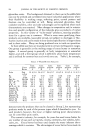
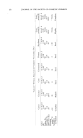
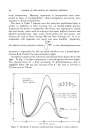
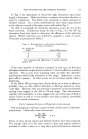
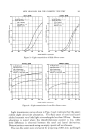
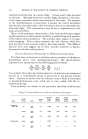
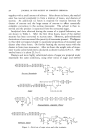
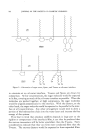
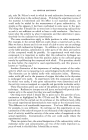
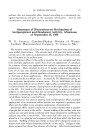
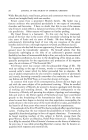
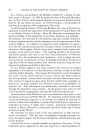
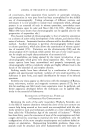
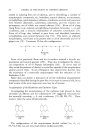
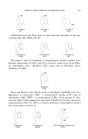
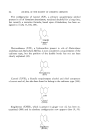
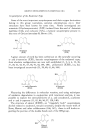
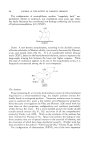
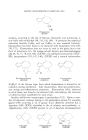
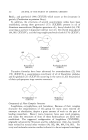
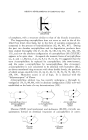
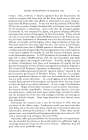
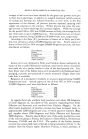
252 JOURNAL OF THE SOCIETY OF COSMETIC CHEMISTS \ ( ( ( ß 0// Water 0/I o J•-o o co co $ OH 0 Water OH • (OH •H • OH Figure 3.--Orientation of sugar esters, Spans, and Tweens at oil-water interfaces. to orientate at an oil-water interface. Tweens and Spans are drawn for comparison. At low concentrations, the sugar molecule would be expected to lie flat, covering as much of the oil-water interface as possible. When the molecules are packed together, at high compression, the sugar molecules would be aligned perpendicular to the interface. With the diesters, on the other hand, the sugar molecule would be expected to lie parallel to the inter- face at all concentrations. Any other arrangement would tend to draw a portion of the hydrocarbon chain into the water layer and increase the free energy of the system. If we bear in mind that emulsion stability depends in large part on the rigidity or compactness of the interfacial film, it can then be predicted that the sucrose monoesters will be better emulsifiers than the Tweens. Steric considerations indicate that they can form more condensed films than the Tweens. The sucrose diesters would be expected to form expanded films.

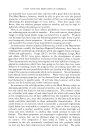
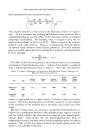
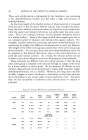
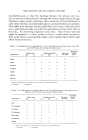
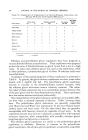
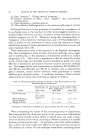
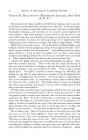
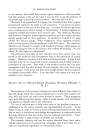
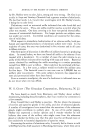
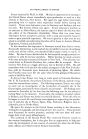
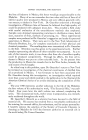
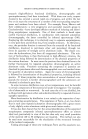
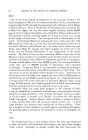
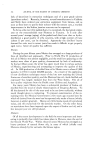
THE SUGAR ESTERS IN COSMETICS :253 As a consequence, they would be poorer emulsifiers than the Spans, but good demulsifiers and good antifoaming agents. SURFACE ACTIVITY OF THE SUGAR ESTERS Surface and interfacial tension values for the sugar esters in comparison with other surfactants are shown in Table 2. It can be seen that the TABLE 2--SURFACE AND INTERFACIAL TENSION VALUES Or NONIONIC SURFACTANT SOLUTIONS AT ROOM TEMPERATURE Surface Tension at 0.1%, Dynes/cm. Interfacial Tension at 0.1% rs. Nujol, Dynes/cm. Sucrose laurate 33.7 7.9 Sucrose myristate 34.8 7.0 Sucrose palmitate 33.7 6.2 Sucrose stearate 34.0 7.7 Sucrose oleate 31.5 5.0 Tall oil-polyoxyethylene con- densate 41.0 7 2 Polyoxyethylene-polyoxypropylene condensate 48.0 16.1 Tween 20 37 7.5 Tween 40 41 10.5 Tween 60 44 11.5 Tween 80 42 11.0 values obtained with the sugar esters are quite comparable to those obtained with other useful non ionics. The foaming tendencies of the sucrose esters decrease with an increase in the size of the fatty acid group. Sucrose monolaurate is a moderate roamer while sucrose monostearate and the diesters are essentially non- roamers. The wetting properties of the sucrose esters also decrease with an increase in the size of the hydrocarbon chain. Thus sucros.e monolaurate is the best wetting agent and sucrose monostearate is the poorest. In general, the monoesters are fair wetting agents. Stable emulsions are readily prepared using combinations of sucrose monoesters and the Spans or glyceryl monostearate. The ratio of mono- ester to the nonsugar esters depends upon whether an ofw or w/o emulsion is required. All of the sucrose monoesters are good detergents, built for heavy duty detergency and comparable to sodium dodecylbenzene sulfonate. ADVANTAGES OF THE SUGAR ESTERS IN COSMETICS Modern technology has provided the cosmetic chemist with a wealth of raw materials for his creams, lotions, aerosol sprays and cosmetic sticks. He can make selections from a very wide variety of natural and synthetic gums, emulsifiers, oils, dyes, perfumes and flavors. There appears to be
Purchased for the exclusive use of nofirst nolast (unknown)
From: SCC Media Library & Resource Center (library.scconline.org)