POTENTIAL UTILITY OF ION-EXCHANGE RESINS IN ANTIPERSPIRANT-DEODORANT FORMULATIONS* By J^M:S C. WNrr:P,S Rohm & Haas Company, Philadelphia, Pa. T,v. Rv. cv. Nw observations of Shelley and co-workers (1) on the com- position of apocrine sweat, coupled with an increasing awareness among dermatologists of the probable importance of the acid mantle factor in the maintenance of normal skin health, has stimulated the search for new anti- perspirant-deodorant formulations. Cosmetic chemists are looking for a combination of the following properties in such compositions: (a) High buffering capacity in the pH range of 5.0 to 6.0. (b) Strong adsorption affinity for low molecular weight fatty acids and protein degradation products. (c) Effective suppression of perspiration flow. (d) Positive inhibition of bacterial activity. (e) Long duration of desired effects. To be cosmetically acceptable, such reagents must also have a low level' of toxicity, a low incidence of irritation and they must show good compati- bility with the vehicles normally employed in the preparation of cream, spray or stick type deodorants. Thus far, no single reagent possessing all of these characteristics has been discovered. Past experience indicates that such a product will be extremely difficult to find, so research has been directed toward the selection of a minimum number of ingredients which collectively meet these criteria. Among the new reagents being investigated in this field is a group of high molecular weight, insoluble, polymeric acids and bases commonly called ion exchange resins. It is the purpose of this discussion to review briefly the important physical and chemical properties of synthetic, organic ion exchange materials and to show how the characteristics of these materi- als may perform useful functions in antiperspirant-deodorant formu- lations. * Presented at the December 15, 1955, Meeting, New York City. 256

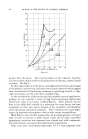
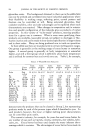
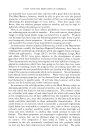
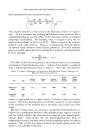
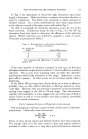
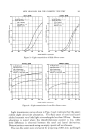
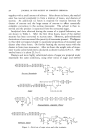
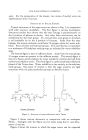
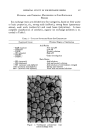
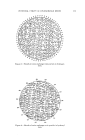
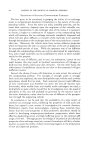
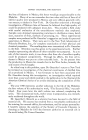
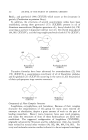
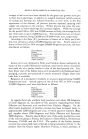
POTENTIAL UTILITY OF ION-EXCHANGE RESINS 257 PHYSICAL AND CHEMICAL PROPERTIES OF Ion-ExcHANGE RESINS Ion exchange resins are divided into four categories, based on their acidic or basic properties, viz., strong acids (sulfonic), strong bases (quaternary amine), weal• acids (carbox¾1ic) and weak bases (polyamine). A more complete classification of synthetic, organic ion exchange polymers is re- corded in Table 1. TABLE 1--TYPES OF SYNTHETIC-REsIN ION EXCHANGERS Functional Group Principal Region of Application --SO3H (nuclear) --CH•SO.•H --COOH --OH (phenolic) --CH2OH •. --CH2SH f --NH2 (aromatic) --NH2 (aliphatic) --NH (aromatic and aliphatic) •N (aromatic and aliphatic) •N • (aromatic and aliphatic) Acid Resins V•ry low pH Low pH Neutral solutions High pH Under investigation Basic Resins Acid solutions Acid and neutral solutions Acid solutions of intermediate strength Strong acid solutions Weak acid and neutral solutions - . ..... ß • • •:• • .•.•:• --: .• "3 ' '". Z.e" ..aa '..•.•:: ' ..: :.'-:. %.:.- ...,.%• % •--v' . :..% ...'.' -'1% '.• .. '• :• ½½'% '.?-' ..•.. ? '•-::•5 -½•' ,,%'": : " ß " - % •'• • •' • ' , ............. %. •'"• •"•-e: •- $ •-.-- • • .... •:: . •-•.. .•-•:...• --..-g..• • .. • .4 • • • : . :: ... . .... ,•..... %.* .... '-•: .• .... --.,•' ..-' • "',':7½ .•'• • • .. ....• .• • • q = :: .: ... *• .... ............ ...• •.• .... .•.-...•. ½"•:.• -, % • • •.:/" ..: • : '..'-' .. -:•.. %.'2 -%:.&'"•_% • '• %....E•.r,-*--' .... • ? •E ':, - •.-• e • .:..-• % ? . .. : •. ...:-- •. • ..... •. •.-½.-::... .•.•.•,½•.• *' %. ß {'•: • ':'" .... ,:, '•e'•- .":--' • .... •-z ,.% :* *' ...... • ......... ....: ........ •.•' .$g':-*' • '• '!-.' .. • • -•*'% ' ."' .•--::-. -'--- *., * '• '* "', .• L:,..• .. .* :•.. '• '• '". '? ..•, j :• Figure 1.--Sulfonated polystyrene type cation exchange resin.
Purchased for the exclusive use of nofirst nolast (unknown)
From: SCC Media Library & Resource Center (library.scconline.org)