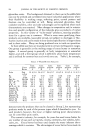
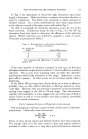
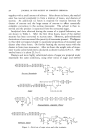
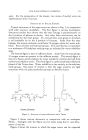
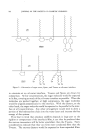
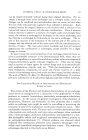
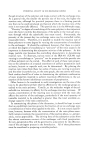
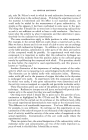
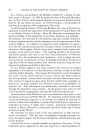
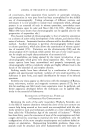
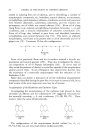
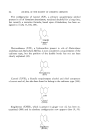
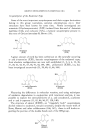
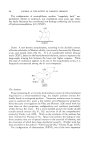
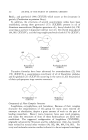
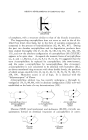
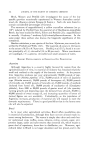
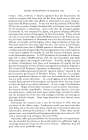
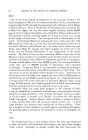
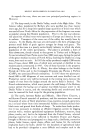
300 JOURNAL OF THE SOCIETY OF COSMETIC CHEMISTS Bedd. and partheniol (144) (XXXII) which occurs as the cinnamate in guaiule (Parthenium argentatum Gray). In addition, the structures of several sesquiterpene oxides have been established, among them germacrol (175) (XXXIII) present in oil of Geranium macrorrhizum (Bulgarian geranium oil) kessyl alcohol (64, 178) occurring as acetate in Japanese valerian root oil the related kesso glycol (64, 181) (XXXIV) and the long-sought patchouly alcohol (176) (XXXV). II Germacrol (XXXlII) OH I [ Kesso Glycol Patchouly Alcohol (xxx•v) (xxxv) Tentative formulas have been advanced for aromadendrene (22, 144, 179) (XXXVI), a sesquiterpene constituent of oil of Eucalyptus globulus, and for globulol (25) (XXXVII) occurring in the same oil, but the position of their cyclopropane rings remains uncertain. OH Aromadendrene (?) Globulol (?) (xxxv•) (xxxvn) Compounds of More Complex Structure Longifolene, caryophyllene, and humulene: Because of their complex character the sesquiterpenes of this group for many years resisted all attempts at elucidation, despite a great amount of work on the part of leading researchers. Recent years, however, have seen much progress, and today the structures of most of these hydrocarbons are fairly well established. The suggested configuration of longifolene (XXXVIII), originally advanced by Simonsen and his collaborators (144), has recently been revised by several other workers (99, 102, 104, 109, 114, 185). Its x-ray and molecular rotation studies indicate it to be an isoprene homologue

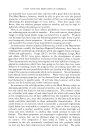
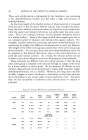
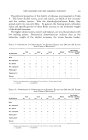
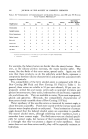
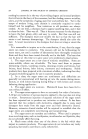
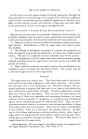
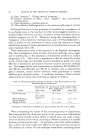
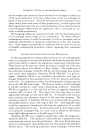
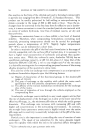
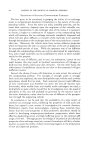
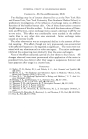
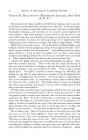
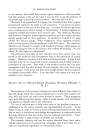
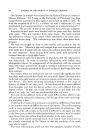
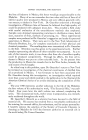
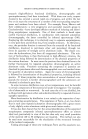
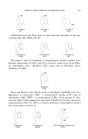
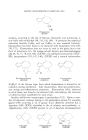
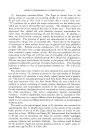
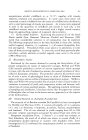
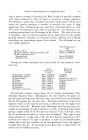
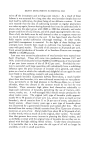
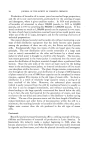
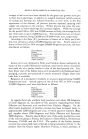
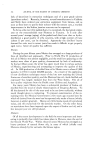
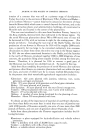
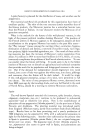
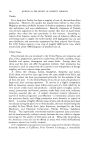
RECENT DEVELOPMENTS IN ESSENTIAL OILS 301 (-J-)-Longifolene (XXXVIII) of camphene, with a structure similar to that of the bicyclic •-santalene. The long-puzzling caryophyllene does not occur as such in the oil dis- tilled from dried clove buds, but in the form of complex compounds de- composed in the process of hydrodistillation (62, 64, 105, 107). During the past two decades caryophyllene and its degradation products have been studied thoroughly (10, 27, 47, 48, 52, 110, 134, 135, 141, 142, 149, 151), and now the absolute configuration of caryophyllene (18) (XXXIX) appears to be quite clear. As regards the isomeric forms of caryophyllene (a-, •- and 3'-), Barton, eta/., (6, 8, 13, 14, 15, 16, 17) suggested that the term •-caryophyllene be replaced by caryophyllene (the trans-isomer), and the name •,-caryophyllene by isocaryophyllene (the cis-isomer). a-Caryophyllene is now considered to be identical with humulene (XL), an eleven-membered ring structure with three double bonds, the positions of which remain doubtful (32, 33, 34, 35, 49, 57, 58, 59, 70, 79, 149, 157, 158, 159). Humulene occurs in oil of hops. It is identical with the "didymocarpene" of Clemo. fi-Caryophyllene alcohol, too, has recently undergone a thorough in- vestigation (14, 53, 88, 90), with its absolute configuration (XLI) now well established on the basis of x-ray determinations (139). I . • /---e• I OH Caryophyllene (tran -) Humulene . fi-Caryophyllene (fi-Caryophyllene) (a-Caryophyllene) Alcohol (XXXIX) (XL) (XLI) Clovene (XLII) (and isoclovene) and •-clovene (XLIII), tricyclic ses- quiterpenes formed on chemical treatment of caryophyllene or caryo- I ,x/•e• / Clovene •-Clovene (XL!I) (XLIII)
Purchased for the exclusive use of nofirst nolast (unknown)
From: SCC Media Library & Resource Center (library.scconline.org)